Daily The Patriot

PM Shehbaz receives Pakistan Economic Survey 2025-26

Link copied!

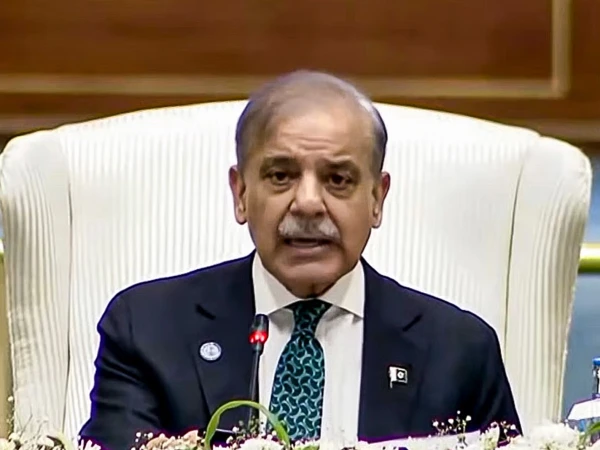
Finance Minister Muhammad Aurangzeb presented a copy of the Pakistan Economic Survey 2025-26 to Prime Minister Shehbaz Sharif in Islamabad on June 11, marking a key step ahead of the upcoming federal budget tomorrow.

The survey outlines the country’s latest economic performance, key fiscal indicators, and sector-wise trends that will guide budgetary planning for the next financial year. Officials said the document will form the basis for finalising economic priorities and policy measures in the federal budget 2026-27. The PM reviewed the report as part of ongoing consultations aimed at shaping fiscal strategy, strengthening economic stability, and addressing key development and revenue challenges facing the country.

NEC approves four-percent growth target

Yesterday, the National Economic Council (NEC) meeting, chaired by Prime Minister Shehbaz Sharif, approved key macroeconomic targets for the upcoming fiscal year 2026–27, including a four percent GDP growth target, while also endorsing a scaled-down development spending plan for both federal and provincial governments amid continued fiscal constraints.

According to official sources, the council also approved the Annual Development Programme after reviewing spending priorities across the federation and provinces. The meeting was attended by chief ministers and senior officials, with provincial representatives participating in discussions on resource allocation and development strategy.

A major outcome of the meeting was the decision to trim development expenditures. The federal Public Sector Development Programme (PSDP), which had earlier been set at Rs1.126 trillion by the Annual Plan Coordination Committee, has now been reduced to Rs1 trillion for FY2026–27. Provincial development budgets have also been revised downward, with the combined provincial development allocation fixed at Rs2.25 trillion, lower than previously proposed figures.

Officials said the cuts reflect the government’s effort to balance development priorities with limited fiscal space and rising expenditure pressures in other areas, including security and debt servicing.

The meeting also discussed intergovernmental fiscal coordination and long-standing concerns over resource distribution. Khyber Pakhtunkhwa Chief Minister Sohail Afridi, speaking after the session, said he raised the province’s concerns regarding the National Finance Commission (NFC) Award and funding for merged tribal districts.

He noted that the NFC Award has not been updated in line with changing economic conditions, but said the prime minister assured participants that the 11th NFC Award would be finalised within 180 days. In case of delay, Afridi said, the federal government may proceed through a presidential order.

The NEC’s decisions are expected to play a central role in shaping Pakistan’s federal budget for FY2026–27, which is likely to be presented in parliament in the coming days.

Leave a Reply

Your email address will not be published. Required fields are marked *

PM Shehbaz receives Pakistan Economic Survey 2025-26

Link copied!

Finance Minister Muhammad Aurangzeb presented a copy of the Pakistan Economic Survey 2025-26 to Prime Minister Shehbaz Sharif in Islamabad on June 11, marking a key step ahead of the upcoming federal budget tomorrow.

The survey outlines the country’s latest economic performance, key fiscal indicators, and sector-wise trends that will guide budgetary planning for the next financial year. Officials said the document will form the basis for finalising economic priorities and policy measures in the federal budget 2026-27. The PM reviewed the report as part of ongoing consultations aimed at shaping fiscal strategy, strengthening economic stability, and addressing key development and revenue challenges facing the country.

NEC approves four-percent growth target

Yesterday, the National Economic Council (NEC) meeting, chaired by Prime Minister Shehbaz Sharif, approved key macroeconomic targets for the upcoming fiscal year 2026–27, including a four percent GDP growth target, while also endorsing a scaled-down development spending plan for both federal and provincial governments amid continued fiscal constraints.

According to official sources, the council also approved the Annual Development Programme after reviewing spending priorities across the federation and provinces. The meeting was attended by chief ministers and senior officials, with provincial representatives participating in discussions on resource allocation and development strategy.

A major outcome of the meeting was the decision to trim development expenditures. The federal Public Sector Development Programme (PSDP), which had earlier been set at Rs1.126 trillion by the Annual Plan Coordination Committee, has now been reduced to Rs1 trillion for FY2026–27. Provincial development budgets have also been revised downward, with the combined provincial development allocation fixed at Rs2.25 trillion, lower than previously proposed figures.

Officials said the cuts reflect the government’s effort to balance development priorities with limited fiscal space and rising expenditure pressures in other areas, including security and debt servicing.

The meeting also discussed intergovernmental fiscal coordination and long-standing concerns over resource distribution. Khyber Pakhtunkhwa Chief Minister Sohail Afridi, speaking after the session, said he raised the province’s concerns regarding the National Finance Commission (NFC) Award and funding for merged tribal districts.

He noted that the NFC Award has not been updated in line with changing economic conditions, but said the prime minister assured participants that the 11th NFC Award would be finalised within 180 days. In case of delay, Afridi said, the federal government may proceed through a presidential order.

The NEC’s decisions are expected to play a central role in shaping Pakistan’s federal budget for FY2026–27, which is likely to be presented in parliament in the coming days.

Leave a Reply

Your email address will not be published. Required fields are marked *