Daily The Patriot

Lebanese army chief visits Pakistan amid regional escalation, mediation efforts

Link copied!

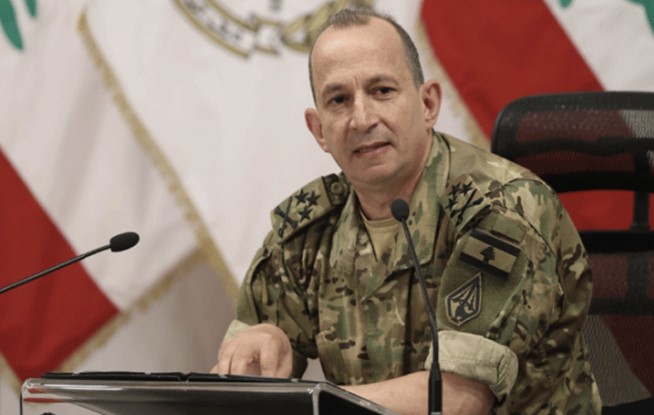
Lebanese Armed Forces Commander General Rodolphe Haykal departed for Pakistan on Saturday on an official visit, against the backdrop of persistent Israeli military operations in Lebanon and Islamabad’s ongoing diplomatic mediation between Iran and the United States.

According to a statement issued by the Lebanese military, Gen Haykal is visiting Pakistan at the invitation of Pakistan’s Chief of Army Staff (COAS), Field Marshal Syed Asim Munir.

The military, however, did not disclose specific details regarding the duration of the visit or the commander’s official itinerary, according to Anadolu Agency.

The high-profile visit comes at a critical juncture as Israel continues its military operations in Lebanon despite a fragile ceasefire agreement that took effect in mid-April.

Data from Lebanese authorities indicates that Israeli attacks since March 2 have claimed the lives of at least 3,593 people and left another 10,990 injured.

Diplomatic tightrope and regional mediation

Gen Haykal’s arrival coincides with Pakistan’s intensive diplomatic efforts to mediate between Tehran and Washington a mediation role that directly intersects with broader international initiatives aimed at preserving the territorial integrity and stability of Lebanon.

On Monday, Iranian Foreign Ministry Spokesman Esmaeil Baghaei emphasised that securing a permanent ceasefire in Lebanon remains an integral component of any comprehensive agreement between Iran and the US.

However, the regional dynamic remains fraught with internal friction. Reflecting growing domestic concerns over foreign influence, Lebanese Prime Minister Nawaf Salam on Friday stated that Iran must cease treating southern Lebanon and its residents as a bargaining chip in its bilateral negotiations with Washington.

Fragile truces and economic blockades

The broader regional conflict escalated dramatically on February 28 when the US and Israel launched joint military operations against Iran, initiating a confrontation that has killed over 3,000 people in Iran, according to official figures from Tehran.

In retaliation, Iran executed targeted strikes against US and Israeli installations, including facilities it identified as American military assets in several countries.

Although a temporary ceasefire was successfully brokered on April 8 through Islamabad’s diplomatic channels, subsequent negotiations hit a deadlock just three days later.

Following the stalemate, Washington enforced a strict blockade on Iranian ports, heavily impacting strategic facilities along the Strait of Hormuz a crucial maritime corridor for global energy supplies.

In a bid to de-escalate the volatile situation, the US, Lebanon, and Israel on Thursday announced a joint declaration of intent.

The announcement followed four intensive rounds of talks in Washington aimed at reinforcing the fragile cessation of hostilities and lowering tensions along the highly contested Lebanese-Israeli border.

Leave a Reply

Your email address will not be published. Required fields are marked *

Lebanese army chief visits Pakistan amid regional escalation, mediation efforts

Link copied!

Lebanese Armed Forces Commander General Rodolphe Haykal departed for Pakistan on Saturday on an official visit, against the backdrop of persistent Israeli military operations in Lebanon and Islamabad’s ongoing diplomatic mediation between Iran and the United States.

According to a statement issued by the Lebanese military, Gen Haykal is visiting Pakistan at the invitation of Pakistan’s Chief of Army Staff (COAS), Field Marshal Syed Asim Munir.

The military, however, did not disclose specific details regarding the duration of the visit or the commander’s official itinerary, according to Anadolu Agency.

The high-profile visit comes at a critical juncture as Israel continues its military operations in Lebanon despite a fragile ceasefire agreement that took effect in mid-April.

Data from Lebanese authorities indicates that Israeli attacks since March 2 have claimed the lives of at least 3,593 people and left another 10,990 injured.

Diplomatic tightrope and regional mediation

Gen Haykal’s arrival coincides with Pakistan’s intensive diplomatic efforts to mediate between Tehran and Washington a mediation role that directly intersects with broader international initiatives aimed at preserving the territorial integrity and stability of Lebanon.

On Monday, Iranian Foreign Ministry Spokesman Esmaeil Baghaei emphasised that securing a permanent ceasefire in Lebanon remains an integral component of any comprehensive agreement between Iran and the US.

However, the regional dynamic remains fraught with internal friction. Reflecting growing domestic concerns over foreign influence, Lebanese Prime Minister Nawaf Salam on Friday stated that Iran must cease treating southern Lebanon and its residents as a bargaining chip in its bilateral negotiations with Washington.

Fragile truces and economic blockades

The broader regional conflict escalated dramatically on February 28 when the US and Israel launched joint military operations against Iran, initiating a confrontation that has killed over 3,000 people in Iran, according to official figures from Tehran.

In retaliation, Iran executed targeted strikes against US and Israeli installations, including facilities it identified as American military assets in several countries.

Although a temporary ceasefire was successfully brokered on April 8 through Islamabad’s diplomatic channels, subsequent negotiations hit a deadlock just three days later.

Following the stalemate, Washington enforced a strict blockade on Iranian ports, heavily impacting strategic facilities along the Strait of Hormuz a crucial maritime corridor for global energy supplies.

In a bid to de-escalate the volatile situation, the US, Lebanon, and Israel on Thursday announced a joint declaration of intent.

The announcement followed four intensive rounds of talks in Washington aimed at reinforcing the fragile cessation of hostilities and lowering tensions along the highly contested Lebanese-Israeli border.

Leave a Reply

Your email address will not be published. Required fields are marked *