Daily The Patriot

A New Era of Alliances: Pakistan, Saudi Arabia, and the Future of Afghanistan

Link copied!

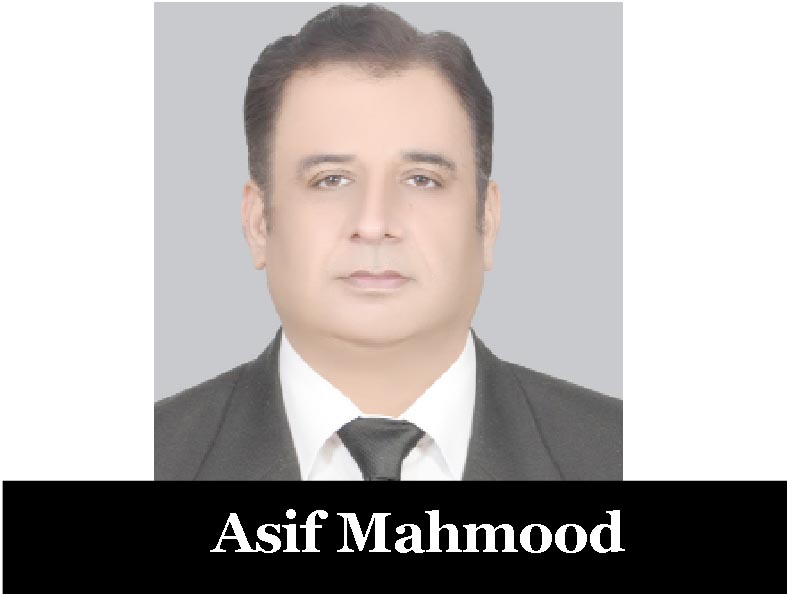
 Asif Mahmood
The recent defense agreement between Pakistan and Saudi Arabia marks a significant shift in the regional landscape. One pressing question arising from this new reality is the future nature of relations between Pakistan and Afghanistan. Under the terms of the agreement, an attack on one country will be considered an attack on the other. But what does this mean in practical terms? While opinions may vary on the remarks made by Khawaja Asif, Pakistan’s defense minister, his strong stance on Afghanistan suggests deeper, underlying reasons.

If these issues remain unresolved, viewed through the prism of the Pakistan-Saudi Arabia defense pact, any act of terrorism targeting Pakistan will be seen as an assault on Saudi Arabia as well. The world’s geopolitical alignments are evolving rapidly, and the future will be markedly different from the present. Although it’s difficult to predict where each actor will stand, one thing is certain: the winds of change are blowing fast. Pakistan itself is transforming—today’s Pakistan is not the Pakistan of yesterday. Currently, the prime minister and army chief are in the United States, signaling the significance of these evolving dynamics. Indian media voices concern as they watch Pakistan’s growing global respect amid India’s increasing isolation. This newfound standing is crucial not only for China but also for Saudi Arabia and the United States.

Peace is fundamental—not only for projects like the China-Pakistan Economic Corridor (CPEC) but also for accessing rare minerals vital to regional development. Stability in Pakistan is simultaneously a priority for both China and the United States. The mutual defense commitment between Saudi Arabia and Pakistan adds an extra layer of security: aggression against one is aggression against the other. This means hostile activities emanating from Afghanistan against Pakistan will now be viewed as provocations against Saudi Arabia as well. It is heartening to see Iran welcoming this agreement, signaling a broader realization within the Muslim world that only through unity and cooperation can progress be achieved. Continued infighting among Muslim nations benefits no one but their adversaries.

Despite ups and downs in Pakistan-Afghanistan relations, goodwill persists. Their connection, deeply rooted in Islam, remains a vital foundation for peace. Unfortunately, negative narratives often overshadow this reality. Pakistan’s support for Afghan refugees is extensive: 153 schools, 48 satellite classes, 55 home-based girls’ schools, and 13 early education centers operate within refugee communities. Over 57,000 Afghan children receive education across 54 camps. More than 7,000 Afghan students study at Pakistani universities, and 4,500 new scholarships have been awarded under the Allama Iqbal Scholarship program. In total, over 100,000 Afghan graduates have been educated in Pakistan.

Pakistan’s contribution to Afghanistan’s development is significant and multifaceted. Projects include schools and hostels, faculties of engineering and arts at major universities, vocational institutes, and the provision of transportation. In healthcare, Pakistan has supported hospitals, mobile medical units, free surgeries, and ambulance services throughout Afghan provinces.

Infrastructure development is another pillar of Pakistan’s commitment. The Torkham-Jalalabad road, urban upgrades in Jalalabad, and support for power generators, trucks, and public transportation buses highlight ongoing cooperation. Feasibility studies for railway links between Pakistan and Afghanistan have been completed, aiming to enhance trade and integrate Afghanistan more fully into the regional economy. Humanitarian aid worth $30 million has also been delivered.

These acts of goodwill must be sustained. Afghanistan should heed Pakistan’s concerns and ensure its territory is not used against Pakistan. Conversely, Pakistan must continue to support Afghanistan’s economic development. As a landlocked nation, Afghanistan needs all possible assistance to connect to global markets. Pakistan and Afghanistan are Islamic brothers, neighbors, and share deep religious and cultural ties. These bonds are far from incidental—they are enduring and vital.

In a world undergoing rapid change, Pakistan’s role is evolving, yet the foundation of brotherhood with Afghanistan remains unshaken. It is through these bonds that lasting peace and prosperity will be realized.

Leave a Reply

Your email address will not be published. Required fields are marked *

A New Era of Alliances: Pakistan, Saudi Arabia, and the Future of Afghanistan

Link copied!

 Asif Mahmood
The recent defense agreement between Pakistan and Saudi Arabia marks a significant shift in the regional landscape. One pressing question arising from this new reality is the future nature of relations between Pakistan and Afghanistan. Under the terms of the agreement, an attack on one country will be considered an attack on the other. But what does this mean in practical terms? While opinions may vary on the remarks made by Khawaja Asif, Pakistan’s defense minister, his strong stance on Afghanistan suggests deeper, underlying reasons.

If these issues remain unresolved, viewed through the prism of the Pakistan-Saudi Arabia defense pact, any act of terrorism targeting Pakistan will be seen as an assault on Saudi Arabia as well. The world’s geopolitical alignments are evolving rapidly, and the future will be markedly different from the present. Although it’s difficult to predict where each actor will stand, one thing is certain: the winds of change are blowing fast. Pakistan itself is transforming—today’s Pakistan is not the Pakistan of yesterday. Currently, the prime minister and army chief are in the United States, signaling the significance of these evolving dynamics. Indian media voices concern as they watch Pakistan’s growing global respect amid India’s increasing isolation. This newfound standing is crucial not only for China but also for Saudi Arabia and the United States.

Peace is fundamental—not only for projects like the China-Pakistan Economic Corridor (CPEC) but also for accessing rare minerals vital to regional development. Stability in Pakistan is simultaneously a priority for both China and the United States. The mutual defense commitment between Saudi Arabia and Pakistan adds an extra layer of security: aggression against one is aggression against the other. This means hostile activities emanating from Afghanistan against Pakistan will now be viewed as provocations against Saudi Arabia as well. It is heartening to see Iran welcoming this agreement, signaling a broader realization within the Muslim world that only through unity and cooperation can progress be achieved. Continued infighting among Muslim nations benefits no one but their adversaries.

Despite ups and downs in Pakistan-Afghanistan relations, goodwill persists. Their connection, deeply rooted in Islam, remains a vital foundation for peace. Unfortunately, negative narratives often overshadow this reality. Pakistan’s support for Afghan refugees is extensive: 153 schools, 48 satellite classes, 55 home-based girls’ schools, and 13 early education centers operate within refugee communities. Over 57,000 Afghan children receive education across 54 camps. More than 7,000 Afghan students study at Pakistani universities, and 4,500 new scholarships have been awarded under the Allama Iqbal Scholarship program. In total, over 100,000 Afghan graduates have been educated in Pakistan.

Pakistan’s contribution to Afghanistan’s development is significant and multifaceted. Projects include schools and hostels, faculties of engineering and arts at major universities, vocational institutes, and the provision of transportation. In healthcare, Pakistan has supported hospitals, mobile medical units, free surgeries, and ambulance services throughout Afghan provinces.

Infrastructure development is another pillar of Pakistan’s commitment. The Torkham-Jalalabad road, urban upgrades in Jalalabad, and support for power generators, trucks, and public transportation buses highlight ongoing cooperation. Feasibility studies for railway links between Pakistan and Afghanistan have been completed, aiming to enhance trade and integrate Afghanistan more fully into the regional economy. Humanitarian aid worth $30 million has also been delivered.

These acts of goodwill must be sustained. Afghanistan should heed Pakistan’s concerns and ensure its territory is not used against Pakistan. Conversely, Pakistan must continue to support Afghanistan’s economic development. As a landlocked nation, Afghanistan needs all possible assistance to connect to global markets. Pakistan and Afghanistan are Islamic brothers, neighbors, and share deep religious and cultural ties. These bonds are far from incidental—they are enduring and vital.

In a world undergoing rapid change, Pakistan’s role is evolving, yet the foundation of brotherhood with Afghanistan remains unshaken. It is through these bonds that lasting peace and prosperity will be realized.

Leave a Reply

Your email address will not be published. Required fields are marked *