Daily The Patriot

Solar energy revolution in Pakistan, important milestone crossed

Link copied!

A new report released by energy think tanks has revealed that Pakistan’s solar revolution has transformed the country’s energy system within two years.

Distributed solar is often overlooked in official figures. However, this is the first time that Pakistan’s energy-related figures have been re-evaluated.

A report titled ‘The Solarization of Pakistan’s Energy Economy’, jointly produced by global energy think tank Ember and Pakistani energy think tank Renewables First, states that distributed solar in Pakistan has actually helped increase the country’s electricity demand.

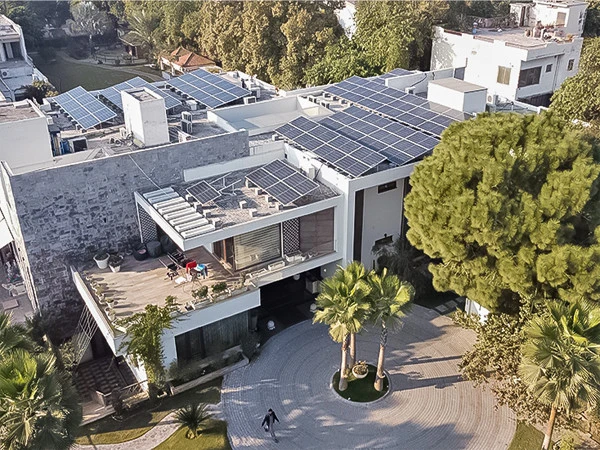
Distributed solar systems are systems that are installed on a small scale on the outskirts of homes, offices or factories.

In two years, Pakistan’s total electricity generation has increased by 21% to 33 terawatt-hours, with distributed solar generation accounting for the largest share of this increase at 36 terawatt-hours. During the same period, electricity demand increased by 21%, while GDP grew by 5.2%.

The increase in distributed solar in FY2025 increased Pakistan’s electrification rate (access to electricity to the public) to 21.7%, slightly below the global average of 22%. While electricity demand increased by 21%, non-electricity energy consumption increased by only 2%. So distributed solar not only met the increase in electricity demand, but it met almost all types of energy demand.

According to the report, distributed solar generation has increased more than threefold. The production of 15 terawatt hours in fiscal year 2023 increased to 51 terawatt hours in 2025. While grid electricity generation decreased slightly by 3%.

This means that 28% of Pakistan’s electricity generation in fiscal year 2025 came from distributed solar, which was 10% more than in 2023 and if transmission losses and grid electricity theft are also included, this share becomes 32%.

Ember’s chief analyst said that there is a strong demand for energy in Pakistan and this demand is being met through solar. Distributed solar systems are so easy and cheap to install that it is actually increasing the demand for electricity. There is a strong demand for energy in other countries, but this demand is suppressed by the problems and the cost of fossil fuels. Pakistan’s distributed solar boom shows how fast clean energy growth can be possible and what benefits are associated with it.

Nabia Imran, Associate-Energy Insights at Renewable First, said that distributed solar is providing affordable and reliable electricity to millions of homes, farms and businesses in Pakistan. By adopting solar PV technology, consumers are playing a central role in Pakistan’s electrification and energy transition process.

The report states that distributed solar has helped power almost every sector of Pakistan’s economy. In agriculture, solar has largely replaced diesel and grid electricity and transformed the agroeconomy, allowing farmers to water their crops more than ever before.

Distributed solar has replaced gas and coal by providing competitive prices in industries, while in the residential sector it has relieved the burden of expensive electricity and load shedding.

Commercial solar has quietly borne the increase in electricity demand without bearing the burden of grid tariffs. While the transportation sector has not been much affected by this transition process, it is the front line of electrification.

Leave a Reply

Your email address will not be published. Required fields are marked *

Solar energy revolution in Pakistan, important milestone crossed

Link copied!

A new report released by energy think tanks has revealed that Pakistan’s solar revolution has transformed the country’s energy system within two years.

Distributed solar is often overlooked in official figures. However, this is the first time that Pakistan’s energy-related figures have been re-evaluated.

A report titled ‘The Solarization of Pakistan’s Energy Economy’, jointly produced by global energy think tank Ember and Pakistani energy think tank Renewables First, states that distributed solar in Pakistan has actually helped increase the country’s electricity demand.

Distributed solar systems are systems that are installed on a small scale on the outskirts of homes, offices or factories.

In two years, Pakistan’s total electricity generation has increased by 21% to 33 terawatt-hours, with distributed solar generation accounting for the largest share of this increase at 36 terawatt-hours. During the same period, electricity demand increased by 21%, while GDP grew by 5.2%.

The increase in distributed solar in FY2025 increased Pakistan’s electrification rate (access to electricity to the public) to 21.7%, slightly below the global average of 22%. While electricity demand increased by 21%, non-electricity energy consumption increased by only 2%. So distributed solar not only met the increase in electricity demand, but it met almost all types of energy demand.

According to the report, distributed solar generation has increased more than threefold. The production of 15 terawatt hours in fiscal year 2023 increased to 51 terawatt hours in 2025. While grid electricity generation decreased slightly by 3%.

This means that 28% of Pakistan’s electricity generation in fiscal year 2025 came from distributed solar, which was 10% more than in 2023 and if transmission losses and grid electricity theft are also included, this share becomes 32%.

Ember’s chief analyst said that there is a strong demand for energy in Pakistan and this demand is being met through solar. Distributed solar systems are so easy and cheap to install that it is actually increasing the demand for electricity. There is a strong demand for energy in other countries, but this demand is suppressed by the problems and the cost of fossil fuels. Pakistan’s distributed solar boom shows how fast clean energy growth can be possible and what benefits are associated with it.

Nabia Imran, Associate-Energy Insights at Renewable First, said that distributed solar is providing affordable and reliable electricity to millions of homes, farms and businesses in Pakistan. By adopting solar PV technology, consumers are playing a central role in Pakistan’s electrification and energy transition process.

The report states that distributed solar has helped power almost every sector of Pakistan’s economy. In agriculture, solar has largely replaced diesel and grid electricity and transformed the agroeconomy, allowing farmers to water their crops more than ever before.

Distributed solar has replaced gas and coal by providing competitive prices in industries, while in the residential sector it has relieved the burden of expensive electricity and load shedding.

Commercial solar has quietly borne the increase in electricity demand without bearing the burden of grid tariffs. While the transportation sector has not been much affected by this transition process, it is the front line of electrification.

Leave a Reply

Your email address will not be published. Required fields are marked *