


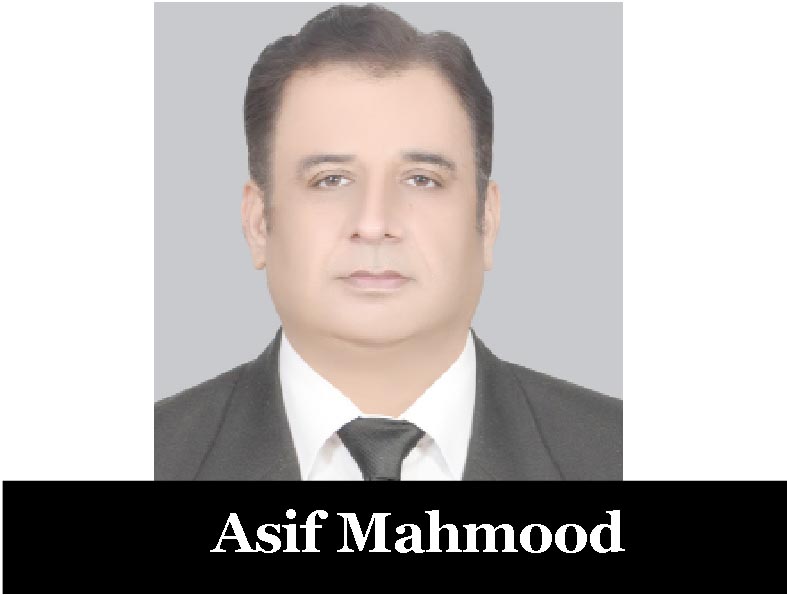
Asif Mahmood
The situation in Balochistan is no longer a simple security challenge. It involves violence on the ground, influence online, and a range of hidden networks working in different ways at the same time. In this environment, groups like the Baloch Yekjehti Committee are accused by security officials and analysts of providing narrative space and indirect facilitation that helps militant recruitment, especially by shaping selective stories and amplifying certain incidents while leaving out others.
According to security assessments, militant groups are using women and underage girls for operational purposes. These are not isolated incidents. They point towards a developing pattern that reflects a wider recruitment structure.
What makes the situation more serious is the way this process unfolds. It does not happen suddenly. It often begins with influence and gradual psychological grooming. Over time, ideas are shaped, trust is built, and in some cases individuals are drawn into operational roles. Social media and online communication channels play a major role in this process and often serve as the first point of contact.
From a security perspective, the involvement of women and minors is seen as a tactical choice aimed at bypassing security systems and creating maximum psychological impact. Such incidents are often designed to attract attention quickly and generate confusion in public response.
At the same time, there is a parallel struggle taking place in the digital space. Certain groups are accused of highlighting selective emotional stories while ignoring the broader context of recruitment and coercion. This creates a partial picture where only one side of the story becomes visible, while the underlying processes remain hidden.
There are also cases where claims about missing persons are circulated widely in the beginning, but later investigations present a more complex or different picture. However, by that time, the initial narrative has already gained strong public attention, which makes correction difficult.
Another concern is the way children are portrayed in some narratives. Instead of being seen as victims of exploitation, they are sometimes turned into symbols within political messaging. This shifts focus away from the core issue, which is their vulnerability and misuse by organised groups.
Security analysts also point to similarities in messaging across different digital spaces. While direct links may not always be proven, the repetition of themes and framing raises questions about coordination or ideological alignment. This contributes to a wider environment where certain narratives spread quickly and remain dominant.
On the ground, the situation has two clear dimensions. One is physical violence, including attacks on security forces and infrastructure. The other is information warfare, where perception is shaped and institutional credibility is questioned. Both run side by side and reinforce each other.
In response, Pakistan’s security institutions continue efforts to dismantle these networks. The focus is not only on individual incidents but on the broader systems that support them. This includes intelligence work, legal action, and coordinated institutional response.
At the same time, it is important to recognize that the exploitation of women and children in this manner goes against the social and cultural values of Baloch society as well as the wider national ethos. These values reject coercion and the use of vulnerable individuals for violent purposes. When these boundaries are crossed, the impact extends beyond security concerns and affects the social fabric of the region.