Daily The Patriot

Putin's Afghan Gamble 

Link copied!

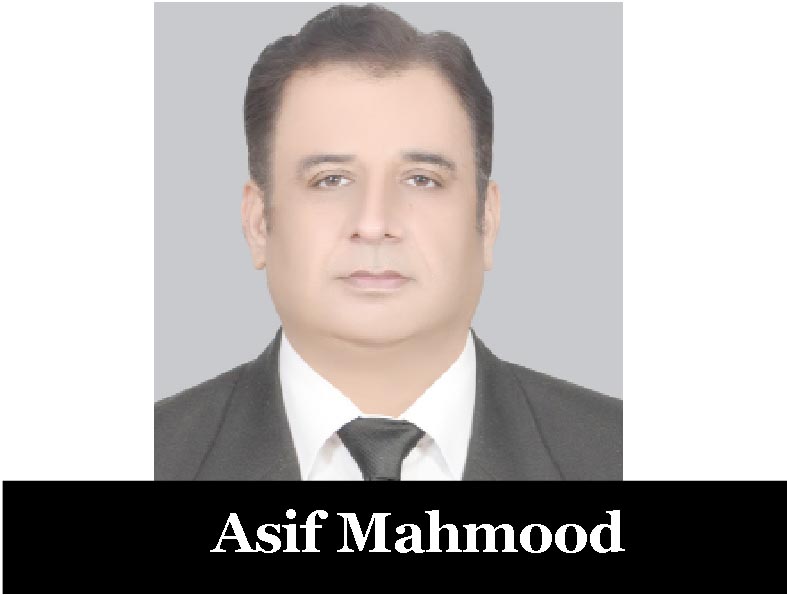
Asif Mahmood

Russia is drawing closer to the Taliban at a rather strange moment. Its own security officials are warning that Afghanistan remains full of militant groups, yet Moscow is busy expanding security and military cooperation with the same regime ruling that territory.

One is tempted to ask: which Russia should the world listen to? The Russia issuing security warnings or the Russia signing cooperation agreements?

During his recent Moscow visit, Taliban Defense Minister Mullah Mohammad Yaqoob signed military and technical arrangements with Russian officials. Both sides spoke warmly about strengthening ties. Such diplomatic warmth, however, cannot hide a cold reality sitting across the region.

Only days earlier, senior Russian officials themselves warned about growing terrorist threats emerging from Afghanistan. FSB chief Alexander Bortnikov said ISIS-K was actively recruiting from Central Asia and Russian migrant communities. Sergei Shoigu separately warned about thousands of militants operating inside Afghanistan.

These are not Western accusations. These are Russian assessments. And they are difficult to ignore.

Afghanistan today is not merely facing a militancy problem. It has gradually become a crowded marketplace of armed groups, ideological networks and transnational extremists. ISIS-K, TTP, Al-Qaeda, ETIM, IMU and several affiliated organizations continue operating from Afghan territory according to multiple international and regional assessments.

The numbers are alarming enough. Estimates speak of nearly 18,000 to 23,000 militants inside Afghanistan. Even if one discounts some figures, the broader picture remains deeply troubling.

This is where Moscow’s policy begins to look less strategic and more risky.

The Taliban insist they are controlling the security situation. Yet the region continues to experience the consequences of instability spilling out from Afghanistan. Pakistan perhaps understands this reality more than anyone else. Hundreds of attacks have been linked to militants operating from Afghan soil, while infiltration attempts across the border continue.

For Pakistan, this is not an academic debate held inside conference halls. This is a security reality paid for in blood.

Russia too appears worried about ISIS-K expansion toward Central Asia. China remains concerned about extremist networks operating near its western frontier. Tajikistan has repeatedly expressed fears regarding militant activity near its borders. In truth, almost every neighboring state watches Afghanistan with anxiety, even if diplomatic language occasionally softens the tone.

Then comes the weapons question, which is perhaps even more worrying.

After Kabul fell, massive quantities of military equipment were left behind. International reports have repeatedly raised concerns that some of these weapons could eventually find their way into extremist networks across the region. Militancy in this part of the world already has enough fuel. Adding more sophisticated military capacity into such an environment is hardly reassuring.

But Moscow appears willing to take the gamble. Russia maintained contacts with the Taliban long before their return to power. Now the relationship seems to be moving toward something deeper and more institutional. The Taliban gain political legitimacy and strategic backing. Russia gains influence in a region where the Western footprint collapsed rather dramatically.

At first glance, this may appear clever geopolitics.

History, however, has not been particularly kind to powers that believed militant ecosystems could be carefully managed for strategic purposes. Such calculations often look neat on paper and messy on the ground.

Extremism has a habit of refusing geopolitical discipline.

That is the real danger here. Strengthening a regime governing territory crowded with extremist organizations may produce temporary tactical advantages, but the long term consequences could spread far beyond Afghanistan itself.

Russia may believe it is expanding influence. The region fears it may instead be expanding the problem.

Leave a Reply

Your email address will not be published. Required fields are marked *

Putin's Afghan Gamble 

Link copied!

Asif Mahmood

Russia is drawing closer to the Taliban at a rather strange moment. Its own security officials are warning that Afghanistan remains full of militant groups, yet Moscow is busy expanding security and military cooperation with the same regime ruling that territory.

One is tempted to ask: which Russia should the world listen to? The Russia issuing security warnings or the Russia signing cooperation agreements?

During his recent Moscow visit, Taliban Defense Minister Mullah Mohammad Yaqoob signed military and technical arrangements with Russian officials. Both sides spoke warmly about strengthening ties. Such diplomatic warmth, however, cannot hide a cold reality sitting across the region.

Only days earlier, senior Russian officials themselves warned about growing terrorist threats emerging from Afghanistan. FSB chief Alexander Bortnikov said ISIS-K was actively recruiting from Central Asia and Russian migrant communities. Sergei Shoigu separately warned about thousands of militants operating inside Afghanistan.

These are not Western accusations. These are Russian assessments. And they are difficult to ignore.

Afghanistan today is not merely facing a militancy problem. It has gradually become a crowded marketplace of armed groups, ideological networks and transnational extremists. ISIS-K, TTP, Al-Qaeda, ETIM, IMU and several affiliated organizations continue operating from Afghan territory according to multiple international and regional assessments.

The numbers are alarming enough. Estimates speak of nearly 18,000 to 23,000 militants inside Afghanistan. Even if one discounts some figures, the broader picture remains deeply troubling.

This is where Moscow’s policy begins to look less strategic and more risky.

The Taliban insist they are controlling the security situation. Yet the region continues to experience the consequences of instability spilling out from Afghanistan. Pakistan perhaps understands this reality more than anyone else. Hundreds of attacks have been linked to militants operating from Afghan soil, while infiltration attempts across the border continue.

For Pakistan, this is not an academic debate held inside conference halls. This is a security reality paid for in blood.

Russia too appears worried about ISIS-K expansion toward Central Asia. China remains concerned about extremist networks operating near its western frontier. Tajikistan has repeatedly expressed fears regarding militant activity near its borders. In truth, almost every neighboring state watches Afghanistan with anxiety, even if diplomatic language occasionally softens the tone.

Then comes the weapons question, which is perhaps even more worrying.

After Kabul fell, massive quantities of military equipment were left behind. International reports have repeatedly raised concerns that some of these weapons could eventually find their way into extremist networks across the region. Militancy in this part of the world already has enough fuel. Adding more sophisticated military capacity into such an environment is hardly reassuring.

But Moscow appears willing to take the gamble. Russia maintained contacts with the Taliban long before their return to power. Now the relationship seems to be moving toward something deeper and more institutional. The Taliban gain political legitimacy and strategic backing. Russia gains influence in a region where the Western footprint collapsed rather dramatically.

At first glance, this may appear clever geopolitics.

History, however, has not been particularly kind to powers that believed militant ecosystems could be carefully managed for strategic purposes. Such calculations often look neat on paper and messy on the ground.

Extremism has a habit of refusing geopolitical discipline.

That is the real danger here. Strengthening a regime governing territory crowded with extremist organizations may produce temporary tactical advantages, but the long term consequences could spread far beyond Afghanistan itself.

Russia may believe it is expanding influence. The region fears it may instead be expanding the problem.

Leave a Reply

Your email address will not be published. Required fields are marked *