Daily The Patriot

PSX surges as US-Iran deal, oil slump lift sentiment

Link copied!

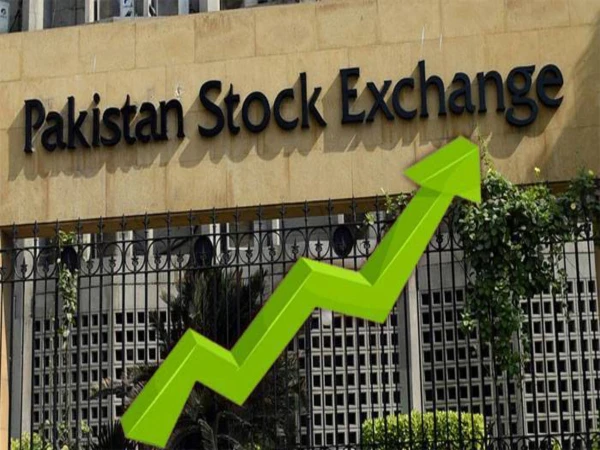
ISLAMABAD : The equity market surged on Monday as investors cheered a US-Iran breakthrough, tumbling oil prices and what analysts described as a growth-tilted federal budget, easing fears of renewed inflationary pressure and an interest-rate hike.

During the session, the Pakistan Stock Exchange’s benchmark KSE-100 Index touched an intraday high of 176,917.76, gaining 4,517.86 points, or 2.62%, and a low of 175,524.22, reflecting an increase of 3,124.32 points, or 1.81%, from the previous close of 172,399.90.

“A budget that has directionally changed from consolidation to growth, along with the solution to the Iran-US conflict, has buoyed sentiment,” said Ahfaz Mustafa, CEO of Ismail Iqbal Securities.

“It has also tamed expectations of a rate hike and triggered buying across all sectors, especially construction,” he said, adding that the key market drivers were “budget, oil and interest rate expectations”.

Oil prices tumbled and global stocks rallied on Monday after the United States and Iran said they had reached a deal to end their war and reopen the Strait of Hormuz, sending relief through global markets.

The two sides confirmed an announcement from mediator Pakistan, with a signing ceremony set to take place in Switzerland on June 19, bringing an end to three months of conflict that had sent energy prices soaring and revived fears of another inflation spike.

Prime Minister Shehbaz Sharif said the United States and Iran would sign a memorandum of understanding in Switzerland on Friday, with Pakistan having served as a mediator.

US President Donald Trump said the Strait of Hormuz would be opened “toll free” and that a US naval blockade of Iranian ports would also end.

“The Deal with the Islamic Republic of Iran is now complete,” Trump wrote on social media.

“Ships of the World, start your engines. Let the oil flow!” he added.

Iran’s Deputy Foreign Minister Kazem Gharibabadi said the deal put an “immediate end” to the war and that talks on a “final agreement” would be held within two months.

Crude prices fell as much as 5% on Monday, with West Texas Intermediate approaching $80 a barrel for the first time since the start of March. Brent was down more than 4% at around $83.60.

The sharp decline in oil prices soothed concerns that renewed inflationary pressure could push central banks towards fresh interest rate hikes.

On the domestic front, analysts said the Pakistan Stock Exchange was supported by the federal budget for FY27, robust remittance inflows and easing geopolitical tensions.

On Friday, Finance Minister Muhammad Aurangzeb unveiled Pakistan’s federal budget for fiscal year 2026–27, with the government seeking to achieve GDP growth of 4%.

The federal budget carries a projected fiscal deficit of 3.6% of GDP, supported by provincial contributions of Rs1.0 trillion and an estimated 17.6% growth in tax revenues.

AKD Research assessed the budget as broadly positive for the market, citing the absence of aggressive revenue measures and the abolition of Super Tax for companies with profitability below Rs500 million.

For companies with profitability exceeding Rs500 million, the Super Tax rate has been reduced by 2%, a relief that AKD Research estimates will benefit around 67% of companies listed on the PSX.

The budget also provides targeted relief to key sectors, including exporters, cement and refineries.

Reductions in advance tax and withholding tax for exporters, extension of the Export Financing Scheme and abolition of the Export Development Surcharge are seen as positive for the textile and cement sectors.

The cement sector is also expected to benefit from lower taxes on immovable property and a higher overall Public Sector Development Programme allocation of Rs3.7 trillion.

The abolition of GST on the import of machinery for refinery upgradation is expected to benefit the refinery sector.

The State Bank of Pakistan’s Monetary Policy Committee is scheduled to meet today for the final policy review of FY26.

The only increase in the policy rate during the current fiscal year came in the previous review on April 27, when the SBP raised the benchmark rate by 100 basis points to 11.5%.

The Pakistan Stock Exchange had posted strong gains on Friday, when the KSE-100 Index climbed 2,696.30 points, or 1.59%, to close at 172,399.90. Last week, the index gained 1,921 points, or 1.13%.

Leave a Reply

Your email address will not be published. Required fields are marked *

PSX surges as US-Iran deal, oil slump lift sentiment

Link copied!

ISLAMABAD : The equity market surged on Monday as investors cheered a US-Iran breakthrough, tumbling oil prices and what analysts described as a growth-tilted federal budget, easing fears of renewed inflationary pressure and an interest-rate hike.

During the session, the Pakistan Stock Exchange’s benchmark KSE-100 Index touched an intraday high of 176,917.76, gaining 4,517.86 points, or 2.62%, and a low of 175,524.22, reflecting an increase of 3,124.32 points, or 1.81%, from the previous close of 172,399.90.

“A budget that has directionally changed from consolidation to growth, along with the solution to the Iran-US conflict, has buoyed sentiment,” said Ahfaz Mustafa, CEO of Ismail Iqbal Securities.

“It has also tamed expectations of a rate hike and triggered buying across all sectors, especially construction,” he said, adding that the key market drivers were “budget, oil and interest rate expectations”.

Oil prices tumbled and global stocks rallied on Monday after the United States and Iran said they had reached a deal to end their war and reopen the Strait of Hormuz, sending relief through global markets.

The two sides confirmed an announcement from mediator Pakistan, with a signing ceremony set to take place in Switzerland on June 19, bringing an end to three months of conflict that had sent energy prices soaring and revived fears of another inflation spike.

Prime Minister Shehbaz Sharif said the United States and Iran would sign a memorandum of understanding in Switzerland on Friday, with Pakistan having served as a mediator.

US President Donald Trump said the Strait of Hormuz would be opened “toll free” and that a US naval blockade of Iranian ports would also end.

“The Deal with the Islamic Republic of Iran is now complete,” Trump wrote on social media.

“Ships of the World, start your engines. Let the oil flow!” he added.

Iran’s Deputy Foreign Minister Kazem Gharibabadi said the deal put an “immediate end” to the war and that talks on a “final agreement” would be held within two months.

Crude prices fell as much as 5% on Monday, with West Texas Intermediate approaching $80 a barrel for the first time since the start of March. Brent was down more than 4% at around $83.60.

The sharp decline in oil prices soothed concerns that renewed inflationary pressure could push central banks towards fresh interest rate hikes.

On the domestic front, analysts said the Pakistan Stock Exchange was supported by the federal budget for FY27, robust remittance inflows and easing geopolitical tensions.

On Friday, Finance Minister Muhammad Aurangzeb unveiled Pakistan’s federal budget for fiscal year 2026–27, with the government seeking to achieve GDP growth of 4%.

The federal budget carries a projected fiscal deficit of 3.6% of GDP, supported by provincial contributions of Rs1.0 trillion and an estimated 17.6% growth in tax revenues.

AKD Research assessed the budget as broadly positive for the market, citing the absence of aggressive revenue measures and the abolition of Super Tax for companies with profitability below Rs500 million.

For companies with profitability exceeding Rs500 million, the Super Tax rate has been reduced by 2%, a relief that AKD Research estimates will benefit around 67% of companies listed on the PSX.

The budget also provides targeted relief to key sectors, including exporters, cement and refineries.

Reductions in advance tax and withholding tax for exporters, extension of the Export Financing Scheme and abolition of the Export Development Surcharge are seen as positive for the textile and cement sectors.

The cement sector is also expected to benefit from lower taxes on immovable property and a higher overall Public Sector Development Programme allocation of Rs3.7 trillion.

The abolition of GST on the import of machinery for refinery upgradation is expected to benefit the refinery sector.

The State Bank of Pakistan’s Monetary Policy Committee is scheduled to meet today for the final policy review of FY26.

The only increase in the policy rate during the current fiscal year came in the previous review on April 27, when the SBP raised the benchmark rate by 100 basis points to 11.5%.

The Pakistan Stock Exchange had posted strong gains on Friday, when the KSE-100 Index climbed 2,696.30 points, or 1.59%, to close at 172,399.90. Last week, the index gained 1,921 points, or 1.13%.

Leave a Reply

Your email address will not be published. Required fields are marked *