


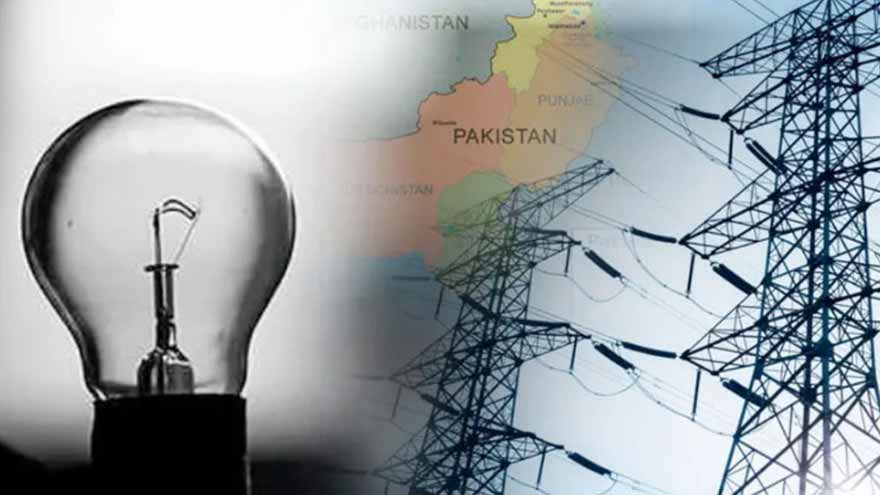
ISLAMABAD The Power Division has announced daily load shedding of approximately two hours and 15 minutes during peak electricity consumption hours.
In a statement regarding the peak hours relief strategy, a spokesperson said the government is facing a major challenge due to increased electricity demand, particularly between 5:00 PM and 1:00 AM. To manage the load, scheduled outages will be implemented during this period.
The spokesperson added that power distribution companies (DISCOs) have been directed to inform consumers in advance about outage timings. The government, he said, is taking all possible measures to provide relief to the public.
Officials noted that timely closure of commercial markets at both federal and provincial levels could help reduce electricity demand. Lower demand, in turn, could prevent a significant increase in electricity prices.
The spokesperson further stated that reduced reliance on expensive fuel would help control potential price hikes. Between July and February, electricity consumers were provided relief amounting to Rs46 billion, while tariffs were reduced by 71 paisas per unit despite rising fuel costs.
He highlighted that better utilization of low-cost energy sources and improved efficiency in power generation have helped stabilize the system. The government has also worked to reduce transmission and administrative losses.
Despite challenging global conditions, the spokesperson maintained that electricity generation in the country remains stable and sufficient to meet demand.
He warned, however, that reliance on costly fuels could still lead to price increases. On the directives of the Prime Minister, the situation is being closely monitored to avoid any sharp rise in electricity tariffs.
Additionally, 80 MMCFD of local gas has been supplied to power plants, helping prevent an increase of 80 paisas per unit and avoiding further load management. The current measures aim to prevent a potential rise of around Rs3 per unit in electricity prices.
However, even with limited use of furnace oil, consumers may still face an increase of about Rs1.5 per unit. Without timely intervention, the increase could have reached Rs5 to Rs6 per unit.