


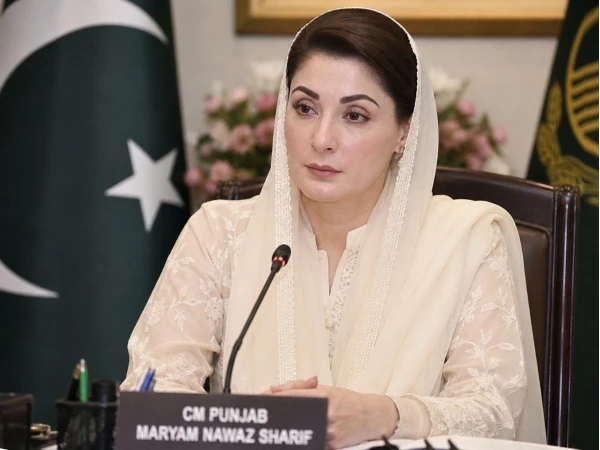
Preparations for the legal revival of the Panchayat system in Punjab have entered the final stages and for this, Chief Minister Maryam Nawaz has approved the proposed draft.
The provincial government has decided to take suggestions from the public on the Punjab Panchayat Act 2026 and the draft proposes to give legal form to the Panchayat system for resolving disputes in Punjab, under which there is a plan to provide cheap and quick justice to the people through the Panchayat system.
The proposed draft states that under the Panchayat system, an attempt will have to be made to resolve the dispute within 15 days, retired judges, military officers, retired government officers and lawyers will be able to be appointed as Panchayats, teachers, professors, scholars and imams of mosques will also be eligible to become Panchayats.
Similarly, the Deputy Commissioner will have the power to appoint, supervise and dismiss the Panchayat. It has been proposed to fix the term of the Panchayat for three years and reappointment will be possible on satisfactory performance. The Panchayat will serve without compensation and will have to take an oath before assuming office.
The proposed draft states that the Panchayat will not be able to process any dispute without the consent of all the parties. Civil, family, domestic and neighbour disputes will be resolved by the Panchayat, which also includes disputes over property, land boundaries, possession, roads and irrigation.
It has been further stated that the Panchayat will also be able to resolve disputes over business matters and financial transactions. Rape, sexual violence, harassment and crimes in the name of honour will not be within the jurisdiction of the Panchayat. It has been proposed to ban giving women in marriage under rituals like Vani, Swara and Badla Sulh.
According to the proposed draft, the Panchayat will not be able to resolve cases of underage and forced marriage, the legal status of marriage, annulment of marriage and custody of children will be outside the jurisdiction of the Panchayat, disputes over government land, abandoned properties and endowment property will not be heard in the Panchayat.
It has been clarified that the Panchayat will not have the judicial powers of the courts, its role will be limited to mediation, cases under trial in the courts will not be able to be handed over to the Panchayat, however, mediation will be possible on a court reference, the agreement reached in the Panchayat will be in writing, the signatures or thumbprints of the parties have been made mandatory.
The proposed draft proposes to convert the Panchayat settlement into a court degree and the court will be able to decide within 30 days, the agreement obtained through fraud, coercion or misrepresentation will be rejected in the court.
The proposed draft includes special provisions to protect the rights of women, children, the elderly, the disabled and religious minorities. The Panchayat will not be able to decide against the property rights of women. The suspension and dismissal of the Panchayat will be possible for corruption, bribery or misuse of powers.
Similarly, it has been proposed to keep the records of the proceedings of the Panchayat safe and the statements and negotiations of the parties confidential. The Deputy Commissioner will be responsible for the supervision and administrative control of the Panchayat system.