Daily The Patriot

Pakistan: A Consistent Voice for Palestine

Link copied!

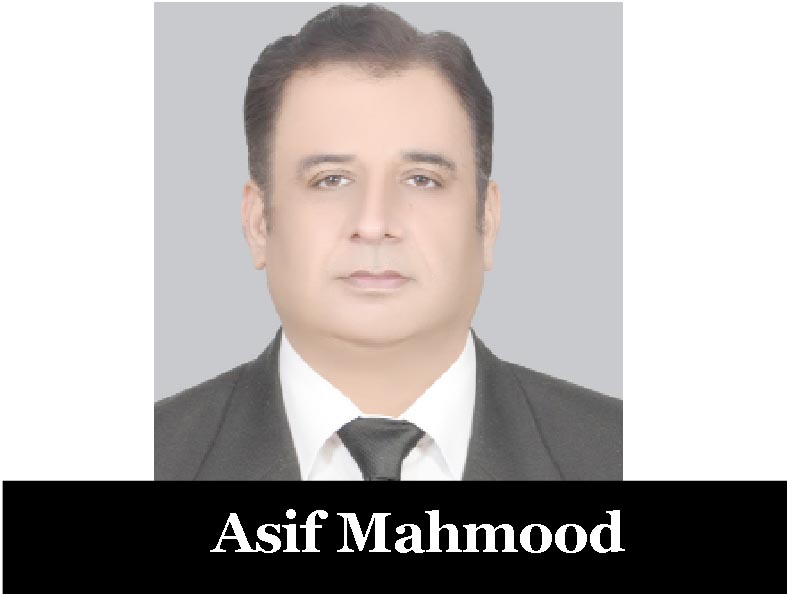
By Asif Mahmood

Pakistan’s position on Palestine has survived changing governments, shifting alliances and enormous geopolitical pressure. Unlike many states that adjust their language according to strategic convenience, Islamabad has largely maintained continuity on the Palestine issue. Its support for an independent Palestinian state, based on pre 1967 borders with Al Quds Al Sharif as its capital, has remained a constant feature of Pakistan’s foreign policy.
This consistency matters.
The Palestinian issue is no longer just a territorial dispute. It has become a test case for international law itself. Every new cycle of violence in Gaza and the occupied territories revives uncomfortable questions about selective morality, double standards and the weakening authority of global institutions. Pakistan has repeatedly argued that peace in the Middle East cannot emerge while the core political grievances of the Palestinians remain unresolved. That argument is difficult to dismiss.
Over the years, Pakistan has used diplomatic forums such as the United Nations and the Organization of Islamic Cooperation to advocate Palestinian self determination and condemn illegal settlement expansion. Sometimes these statements attract little international attention. But consistency in foreign policy is built precisely through such repetition. Countries lose credibility when their principles change with circumstances.
The current regional crisis involving the United States, Israel and Iran has once again exposed how fragile Middle Eastern stability really is. Military escalation, threats of retaliation and competing regional agendas have pushed the region dangerously close to wider confrontation. In such an atmosphere, Pakistan has tried to avoid emotional grandstanding. Its emphasis has instead remained on restraint, de escalation and dialogue.
That approach has not gone unnoticed.
At a time when many countries are openly aligning themselves with rival camps, Pakistan has attempted to preserve diplomatic balance without abandoning its political principles. This is not an easy position to maintain. Regional politics today leaves very little space for neutrality. Yet Islamabad’s conduct during the recent tensions has projected the image of a state trying to calm crises rather than inflame them.
For many in the Muslim world, that carries significance.
There is also a broader reality here. Several Muslim countries remain internally divided on how to respond to regional conflicts, especially on Palestine. Some prioritize economic partnerships. Others focus on security arrangements or strategic normalization. In this fragmented environment, countries that continue speaking consistently about Palestinian rights naturally gain moral space and diplomatic relevance.
Pakistan appears to understand this changing landscape.
Its growing diplomatic engagement in recent months has strengthened the perception that Islamabad wants to position itself as a responsible voice within the Muslim world, particularly on issues involving regional peace and political justice. Whether through quiet diplomacy, mediation efforts or public statements calling for restraint, Pakistan has attempted to project stability rather than confrontation.
Of course, diplomacy alone cannot solve the Palestine issue. Decades of failed negotiations and recurring violence are proof of that. But diplomacy still shapes international opinion. It influences alliances, pressures institutions and gradually builds political momentum. Countries that maintain credibility on major international questions eventually gain influence beyond their immediate geography.
Pakistan’s advantage lies in the fact that its position on Palestine has remained relatively unchanged even during periods of intense regional realignment. That gives its voice a degree of authenticity. In international politics, consistency itself becomes a form of power.
The world is entering a period of deeper polarization. International law is increasingly interpreted through strategic interests instead of universal standards. In such an environment, countries that continue advocating political justice, restraint and dialogue will carry greater diplomatic value. Pakistan’s stance on Palestine fits within that broader framework.
And perhaps that is why its voice is being heard more carefully now than before.

Leave a Reply

Your email address will not be published. Required fields are marked *

Pakistan: A Consistent Voice for Palestine

Link copied!

By Asif Mahmood

Pakistan’s position on Palestine has survived changing governments, shifting alliances and enormous geopolitical pressure. Unlike many states that adjust their language according to strategic convenience, Islamabad has largely maintained continuity on the Palestine issue. Its support for an independent Palestinian state, based on pre 1967 borders with Al Quds Al Sharif as its capital, has remained a constant feature of Pakistan’s foreign policy.
This consistency matters.
The Palestinian issue is no longer just a territorial dispute. It has become a test case for international law itself. Every new cycle of violence in Gaza and the occupied territories revives uncomfortable questions about selective morality, double standards and the weakening authority of global institutions. Pakistan has repeatedly argued that peace in the Middle East cannot emerge while the core political grievances of the Palestinians remain unresolved. That argument is difficult to dismiss.
Over the years, Pakistan has used diplomatic forums such as the United Nations and the Organization of Islamic Cooperation to advocate Palestinian self determination and condemn illegal settlement expansion. Sometimes these statements attract little international attention. But consistency in foreign policy is built precisely through such repetition. Countries lose credibility when their principles change with circumstances.
The current regional crisis involving the United States, Israel and Iran has once again exposed how fragile Middle Eastern stability really is. Military escalation, threats of retaliation and competing regional agendas have pushed the region dangerously close to wider confrontation. In such an atmosphere, Pakistan has tried to avoid emotional grandstanding. Its emphasis has instead remained on restraint, de escalation and dialogue.
That approach has not gone unnoticed.
At a time when many countries are openly aligning themselves with rival camps, Pakistan has attempted to preserve diplomatic balance without abandoning its political principles. This is not an easy position to maintain. Regional politics today leaves very little space for neutrality. Yet Islamabad’s conduct during the recent tensions has projected the image of a state trying to calm crises rather than inflame them.
For many in the Muslim world, that carries significance.
There is also a broader reality here. Several Muslim countries remain internally divided on how to respond to regional conflicts, especially on Palestine. Some prioritize economic partnerships. Others focus on security arrangements or strategic normalization. In this fragmented environment, countries that continue speaking consistently about Palestinian rights naturally gain moral space and diplomatic relevance.
Pakistan appears to understand this changing landscape.
Its growing diplomatic engagement in recent months has strengthened the perception that Islamabad wants to position itself as a responsible voice within the Muslim world, particularly on issues involving regional peace and political justice. Whether through quiet diplomacy, mediation efforts or public statements calling for restraint, Pakistan has attempted to project stability rather than confrontation.
Of course, diplomacy alone cannot solve the Palestine issue. Decades of failed negotiations and recurring violence are proof of that. But diplomacy still shapes international opinion. It influences alliances, pressures institutions and gradually builds political momentum. Countries that maintain credibility on major international questions eventually gain influence beyond their immediate geography.
Pakistan’s advantage lies in the fact that its position on Palestine has remained relatively unchanged even during periods of intense regional realignment. That gives its voice a degree of authenticity. In international politics, consistency itself becomes a form of power.
The world is entering a period of deeper polarization. International law is increasingly interpreted through strategic interests instead of universal standards. In such an environment, countries that continue advocating political justice, restraint and dialogue will carry greater diplomatic value. Pakistan’s stance on Palestine fits within that broader framework.
And perhaps that is why its voice is being heard more carefully now than before.

Leave a Reply

Your email address will not be published. Required fields are marked *