Daily The Patriot

Iran-US ceasefire likely to be extended; crude oil becomes cheaper in the global market

Link copied!

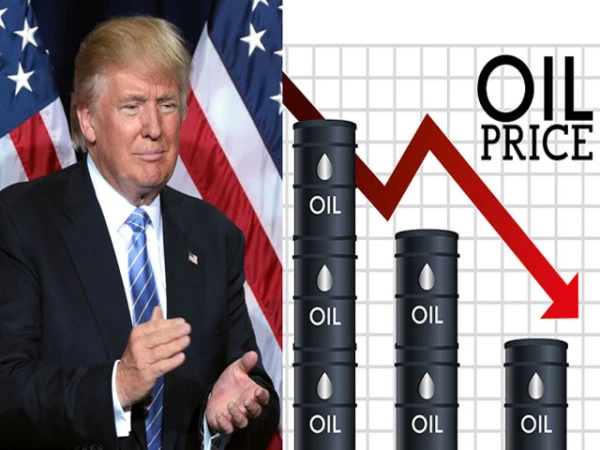
The possibility of an extension of the ceasefire between Iran and the United States has led to a decline in the prices of both Brent and US crude oil in the global market.

According to the global news agency, according to trade data, Brent crude oil for October delivery fell by $1.29, or about 1.5 percent, to $87.69 per barrel.

Similarly, US West Texas Intermediate crude oil also fell by $1.30, or 1.6 percent, to $81.97 per barrel.

The main reason for this decline in the global market is the expectation of weak global oil demand in 2026 and reports of an increase in crude oil reserves in the United States.

However, the risks related to the Iran war and the Strait of Hormuz have limited a further sharp decline in prices. Arabs& Middle Easterners

Global trade also saw further price volatility, as investors continued to assess the situation in the Middle East, oil demand and new data on US inventories.

According to Reuters, investors are currently focused on the weak prospects for global oil demand in 2026.

A reduction in demand estimates by global energy groups including OPEC has raised concerns in the market that crude oil consumption may be lower than expected in the coming months.

Oil prices have also been pressured by a rise in US crude oil inventories. Higher inventories usually indicate availability of supply in the market, which can lead to a downward trend in prices.

Despite the decline in global oil prices, the ongoing war with Iran and concerns about oil shipments in the Gulf have prevented prices from falling completely.

The situation in the Strait of Hormuz in particular is extremely important for the global energy market, as a large part of the global oil supply from the Persian Gulf passes through this sea route.

If oil shipments through this route are affected due to the conflict, a sudden drop in global supply could send prices soaring again.

According to experts, in the coming days, demand figures in the global oil market, US reserves, the Iran war and the situation in the Strait of Hormuz will be major factors determining the direction of prices. Arabs& Middle Easterners

The current decline is not being considered a definitive indication that oil will continue to become cheaper, as supply risks in the Middle East remain.

On the other hand, if global demand estimates decrease further and economic activity is affected by the war, crude oil prices could fluctuate further.

Leave a Reply

Your email address will not be published. Required fields are marked *

Iran-US ceasefire likely to be extended; crude oil becomes cheaper in the global market

Link copied!

The possibility of an extension of the ceasefire between Iran and the United States has led to a decline in the prices of both Brent and US crude oil in the global market.

According to the global news agency, according to trade data, Brent crude oil for October delivery fell by $1.29, or about 1.5 percent, to $87.69 per barrel.

Similarly, US West Texas Intermediate crude oil also fell by $1.30, or 1.6 percent, to $81.97 per barrel.

The main reason for this decline in the global market is the expectation of weak global oil demand in 2026 and reports of an increase in crude oil reserves in the United States.

However, the risks related to the Iran war and the Strait of Hormuz have limited a further sharp decline in prices. Arabs& Middle Easterners

Global trade also saw further price volatility, as investors continued to assess the situation in the Middle East, oil demand and new data on US inventories.

According to Reuters, investors are currently focused on the weak prospects for global oil demand in 2026.

A reduction in demand estimates by global energy groups including OPEC has raised concerns in the market that crude oil consumption may be lower than expected in the coming months.

Oil prices have also been pressured by a rise in US crude oil inventories. Higher inventories usually indicate availability of supply in the market, which can lead to a downward trend in prices.

Despite the decline in global oil prices, the ongoing war with Iran and concerns about oil shipments in the Gulf have prevented prices from falling completely.

The situation in the Strait of Hormuz in particular is extremely important for the global energy market, as a large part of the global oil supply from the Persian Gulf passes through this sea route.

If oil shipments through this route are affected due to the conflict, a sudden drop in global supply could send prices soaring again.

According to experts, in the coming days, demand figures in the global oil market, US reserves, the Iran war and the situation in the Strait of Hormuz will be major factors determining the direction of prices. Arabs& Middle Easterners

The current decline is not being considered a definitive indication that oil will continue to become cheaper, as supply risks in the Middle East remain.

On the other hand, if global demand estimates decrease further and economic activity is affected by the war, crude oil prices could fluctuate further.

Leave a Reply

Your email address will not be published. Required fields are marked *