


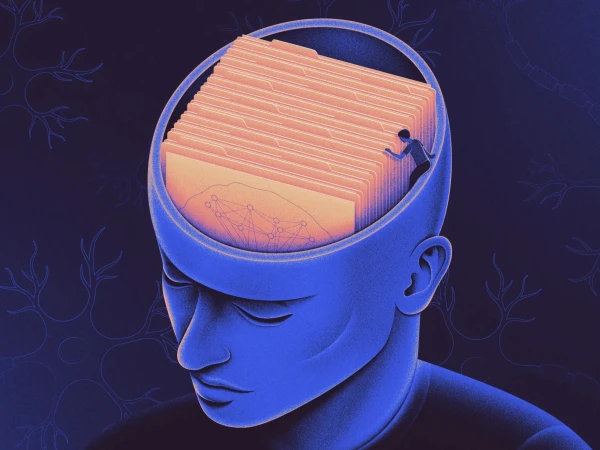
A study by three Spanish institutions has found that specific neurons in the hippocampus preserve memories of the past, even as new information about those events is being stored in the brain.
Imagine, for example, the construction of a building in your neighborhood. The human brain is capable of remembering three main stages of the project: the original state before construction began, the construction phase, and the final appearance after the work is completed. But how does the brain prevent these three memories from getting mixed up?
New research from the Institute of Neurosciences (a joint public research center run by Spain’s CSIC and Miguel Hernández University) has identified this neural mechanism.
According to the team at the institute’s Neural Network Plasticity Laboratory, the brain uses a part of the hippocampus, the dentate gyrus, which is specialized for forming new memories.
Here, a special type of neuron inhibits the activity of other cells, helping the brain organize and integrate new experiences with existing memories.
The research is published in the journal PLOS Biology.