


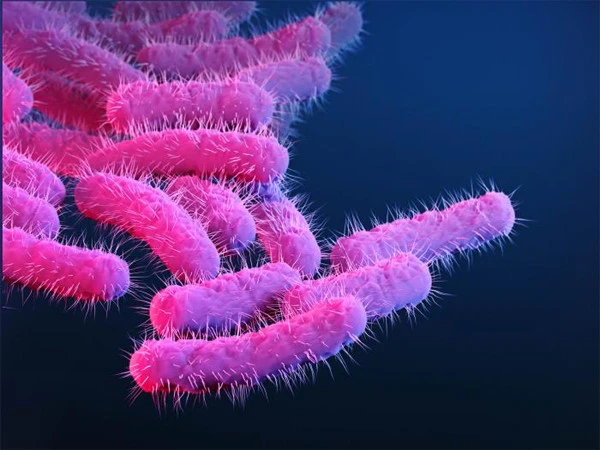
A new experimental vaccine against the intestinal disease caused by Shigella bacteria has shown encouraging results in the second phase of clinical trials. According to the study, the vaccine has shown 89 percent effectiveness in preventing the disease.
According to the study published in the journal The Lancet Infectious Diseases, the trial, which was conducted at two centers in the United States, included 73 healthy people aged 18 to 49.
Participants were given either a drug called WRS2 or a placebo (a dummy drug). The live but weakened oral vaccine is designed against Shigella sonnei, one of four types of Shigella bacteria.
The bacteria infects millions of people worldwide and can cause diarrhea, vomiting and severe intestinal illness.
According to experts, some strains of Shigella are also rapidly developing resistance to front-line antibiotics, and there is currently no approved vaccine against the disease.
During the study, only three out of 34 people who received two doses (9 percent) developed shigellosis, while 21 out of 26 people who received a placebo (81 percent) were diagnosed with the disease.
According to the results, the overall effectiveness of the vaccine was 89 percent, while strong immune responses were also observed in those who received the vaccine.
Although most of the side effects were mild, the Data Safety Monitoring Board reviewed the study after six participants experienced relatively severe reactions, after which the dose of the vaccine was reduced.
The study’s lead author, Robert W. Frank Jr., said the results are an important step toward developing a safe and effective vaccine against Shigella.
According to him, the next step will be to determine the appropriate dose of the vaccine and conduct large-scale trials in areas, including Africa, where children are most affected by the disease.