Daily The Patriot

The path to budget approval is paved, the federation and provinces have agreed to cut the development budget.

Link copied!

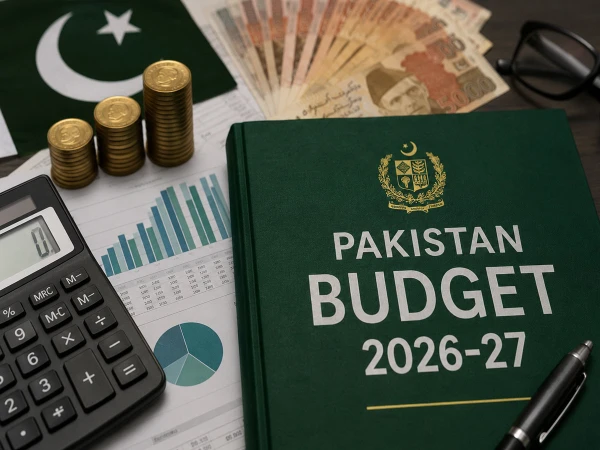
Isalamabad: After a meeting led by the Pakistan Muslim League-Nawaz (PML-N) and the Pakistan Peoples Party (PPP), an agreement has been reached on cuts in the federal and provincial development programs (PSDP), paving the way for the approval of the federal budget 2026-27.

President Asif Ali Zardari has approved the convening of the National Assembly session at 5 pm today and the Senate session at 4 pm.

According to sources, the federal government has cut Rs126 billion in the proposed development program for the next fiscal year. Except for Balochistan, the remaining three provinces will also cut their development program expenses, which will generate a savings of Rs500 billion to complete projects of strategic importance.

When The Express Tribune contacted Federal Minister for Planning Ahsan Iqbal about this, he confirmed that the federal government had cut Rs126 billion from the Rs1,126 billion development program.

According to sources, the federal government had asked for additional resources of about Rs1,200 billion from the provinces in distributable revenue, including Rs650 billion from Punjab, Rs300 billion from Sindh, Rs180 billion from Khyber Pakhtunkhwa and Rs110 billion from Balochistan. However, there will be no cut from Balochistan’s development program now because an estimate of Rs308 billion has been made for Balochistan’s development program, which is already Rs53 billion less than the current fiscal year.

Sources say that the federal government wants to give a total of Rs8,200 billion to the provinces from the distributable revenue, while under the current formula, the provinces’ share is Rs9,400 billion.

The Punjab government had told the federation that it wanted to spend Rs1,450 billion on development programs during the next fiscal year, but now it is expected to cut by Rs150 billion.

The Sindh government had estimated a development program of Rs816 billion, now it will also reduce it. The Khyber Pakhtunkhwa government plans to spend Rs564 billion on development works, it can also freeze its development expenditures.

A government official told The Express Tribune that if the provinces are ready to give Rs350 billion from their budget to the federation, the federal development program can be increased from Rs1,000 billion to Rs1,400 billion.

The federal government wants to spend Rs335 billion of the additional money received from the provinces on water projects, including Diamer Bhasha Dam, Mohmand Dam and Dasu Dam. The remaining amount will be spent on projects of defense importance.

The IMF is willing to spend Rs 2,665 billion for defense, but the government wants to keep Rs 3,000 billion for defense considering the situation on the western border.

The National Economic Council meeting is being chaired by Prime Minister Shehbaz Sharif today, in which all decisions will be taken. The meeting will be attended by all four chief ministers, the Prime Minister of Azad Kashmir and other officials.

With the approval of the Prime Minister, the PSDP volume can be increased to Rs 1,326 billion. After the National Economic Council meeting, the economic survey will be presented tomorrow. After that, the special meeting of the federal cabinet on Friday will approve the increase in salaries and pensions of government employees, as well as the budget draft.

Federal Minister for Planning and Reforms Ahsan Iqbal says that the federal government will present a development program of Rs 1,000 billion in the National Economic Council.

The provinces will also allocate funds for the projects of the Ministry of Defense and the Ministry of Interior. The government has established various working groups for the new NFC award, which have also met, but no agreement has been reached yet. Legislation or the consent of the provinces is necessary for changes in the NFC, for which efforts are being made to find a new formula for distributing new resources between the federation and the provinces.

The IMF will also be taken on board for the new budget because the international organization has set a condition that the budget be approved by the National Assembly before being approved so that the financial stability that is coming to the country is not affected.

In addition to the salaried class, the federal government also wants to provide relief to the corporate sector in the next budget, for which at least the turnover tax rate will be reduced by 1.25 percent, which will provide this class with a relief of Rs 65 billion, however, it depends on the financial capacity. It is also proposed to abolish super tax on individual income of Rs 400 million and companies at a rate of 8 percent in the next budget.

Which will give them a relief of Rs 100 billion. The government also wants to give a relief of Rs 80 billion to exporters, this entire package is being shared with the IMF.

The economic growth target for the next fiscal year is estimated to be 4 percent, and the meeting is expected to approve the average inflation estimate of 8.2 percent.

Sources say that in the federal budget for the next fiscal year, there is a possibility of an increase of seven to ten percent in the salaries and pensions of government employees. The final decision will be made in a special meeting of the federal cabinet chaired by the Prime Minister. If pressure from the coalition parties increases, this increase can go up to fifteen percent.

The federal budget imposes capital gains tax on profits from crypto trading, there is also a possibility of abolishing tax exemption for former tribal areas, and it is also proposed to impose new taxes worth Rs 220 billion in the new budget. It is estimated that more than Rs 90 billion will be collected in the form of climate support levy.

Leave a Reply

Your email address will not be published. Required fields are marked *

The path to budget approval is paved, the federation and provinces have agreed to cut the development budget.

Link copied!

Isalamabad: After a meeting led by the Pakistan Muslim League-Nawaz (PML-N) and the Pakistan Peoples Party (PPP), an agreement has been reached on cuts in the federal and provincial development programs (PSDP), paving the way for the approval of the federal budget 2026-27.

President Asif Ali Zardari has approved the convening of the National Assembly session at 5 pm today and the Senate session at 4 pm.

According to sources, the federal government has cut Rs126 billion in the proposed development program for the next fiscal year. Except for Balochistan, the remaining three provinces will also cut their development program expenses, which will generate a savings of Rs500 billion to complete projects of strategic importance.

When The Express Tribune contacted Federal Minister for Planning Ahsan Iqbal about this, he confirmed that the federal government had cut Rs126 billion from the Rs1,126 billion development program.

According to sources, the federal government had asked for additional resources of about Rs1,200 billion from the provinces in distributable revenue, including Rs650 billion from Punjab, Rs300 billion from Sindh, Rs180 billion from Khyber Pakhtunkhwa and Rs110 billion from Balochistan. However, there will be no cut from Balochistan’s development program now because an estimate of Rs308 billion has been made for Balochistan’s development program, which is already Rs53 billion less than the current fiscal year.

Sources say that the federal government wants to give a total of Rs8,200 billion to the provinces from the distributable revenue, while under the current formula, the provinces’ share is Rs9,400 billion.

The Punjab government had told the federation that it wanted to spend Rs1,450 billion on development programs during the next fiscal year, but now it is expected to cut by Rs150 billion.

The Sindh government had estimated a development program of Rs816 billion, now it will also reduce it. The Khyber Pakhtunkhwa government plans to spend Rs564 billion on development works, it can also freeze its development expenditures.

A government official told The Express Tribune that if the provinces are ready to give Rs350 billion from their budget to the federation, the federal development program can be increased from Rs1,000 billion to Rs1,400 billion.

The federal government wants to spend Rs335 billion of the additional money received from the provinces on water projects, including Diamer Bhasha Dam, Mohmand Dam and Dasu Dam. The remaining amount will be spent on projects of defense importance.

The IMF is willing to spend Rs 2,665 billion for defense, but the government wants to keep Rs 3,000 billion for defense considering the situation on the western border.

The National Economic Council meeting is being chaired by Prime Minister Shehbaz Sharif today, in which all decisions will be taken. The meeting will be attended by all four chief ministers, the Prime Minister of Azad Kashmir and other officials.

With the approval of the Prime Minister, the PSDP volume can be increased to Rs 1,326 billion. After the National Economic Council meeting, the economic survey will be presented tomorrow. After that, the special meeting of the federal cabinet on Friday will approve the increase in salaries and pensions of government employees, as well as the budget draft.

Federal Minister for Planning and Reforms Ahsan Iqbal says that the federal government will present a development program of Rs 1,000 billion in the National Economic Council.

The provinces will also allocate funds for the projects of the Ministry of Defense and the Ministry of Interior. The government has established various working groups for the new NFC award, which have also met, but no agreement has been reached yet. Legislation or the consent of the provinces is necessary for changes in the NFC, for which efforts are being made to find a new formula for distributing new resources between the federation and the provinces.

The IMF will also be taken on board for the new budget because the international organization has set a condition that the budget be approved by the National Assembly before being approved so that the financial stability that is coming to the country is not affected.

In addition to the salaried class, the federal government also wants to provide relief to the corporate sector in the next budget, for which at least the turnover tax rate will be reduced by 1.25 percent, which will provide this class with a relief of Rs 65 billion, however, it depends on the financial capacity. It is also proposed to abolish super tax on individual income of Rs 400 million and companies at a rate of 8 percent in the next budget.

Which will give them a relief of Rs 100 billion. The government also wants to give a relief of Rs 80 billion to exporters, this entire package is being shared with the IMF.

The economic growth target for the next fiscal year is estimated to be 4 percent, and the meeting is expected to approve the average inflation estimate of 8.2 percent.

Sources say that in the federal budget for the next fiscal year, there is a possibility of an increase of seven to ten percent in the salaries and pensions of government employees. The final decision will be made in a special meeting of the federal cabinet chaired by the Prime Minister. If pressure from the coalition parties increases, this increase can go up to fifteen percent.

The federal budget imposes capital gains tax on profits from crypto trading, there is also a possibility of abolishing tax exemption for former tribal areas, and it is also proposed to impose new taxes worth Rs 220 billion in the new budget. It is estimated that more than Rs 90 billion will be collected in the form of climate support levy.

Leave a Reply

Your email address will not be published. Required fields are marked *