


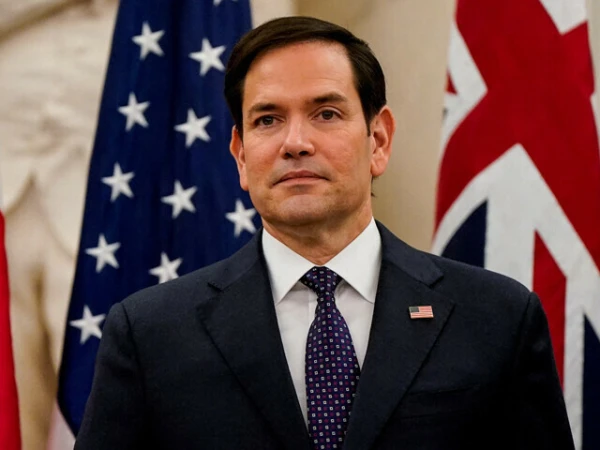
WEB DESK: United States Secretary of State Marco Rubio has confirmed that Pakistan remains the principal mediator in Washington’s high-stakes negotiations with Iran, aiming to bring an end to the ongoing conflict in West Asia.
Speaking to reporters in Sweden following meetings with NATO allies, the top US diplomat praised Islamabad’s diplomatic efforts, describing its mediation role as “admirable” whilst asserting that communication remains open at the highest levels of government.
The diplomatic push comes at a critical juncture. Pakistan’s Interior Minister Mohsin Naqvi recently held intense rounds of talks with Iranian Foreign Minister Abbas Araqchi in Tehran to hammer out a framework for peace, according to The Express Tribune.
Meanwhile, Washington is closely monitoring the movements of Pakistan’s Chief of Defence Forces, Field Marshal Asim Munir, who is scheduled to arrive in Iran to facilitate further breakthrough discussions.
Despite “slight progress” reported in the text of the negotiations, significant obstacles remain. The global economy continues to reel from what the International Energy Agency (IEA) has termed the world’s worst energy shock, triggered by the disruption of vital maritime trade.
A central sticking point in the negotiations is Iran’s attempt to establish a controversial “tolling system” in the Strait of Hormuz. Tehran, which has effectively closed the strategic channel to most international shipping since the conflict erupted on 28 February, is reportedly trying to persuade Oman to back a plan to charge fees to passing vessels.
The move has drawn fierce condemnation from Washington. Secretary Rubio labelled the proposed tolling system “completely illegal” and a “threat to the world”, warning that accepting such leverage would set a dangerous global precedent.