


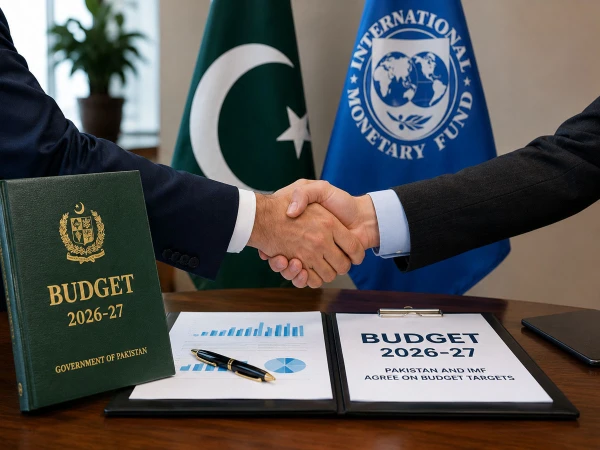
ISLAMABAD: Today is the last day of negotiations between Pakistan and the IMF regarding the federal budget for the upcoming fiscal year 2026-27, and both sides are likely to reach an agreement on budget targets.
The federal government has shared the draft of the new five-year auto policy from 2026 to 2031 with the IMF, and the policy has prioritized the promotion of electric vehicles.
The IMF has proposed to impose 18 percent GST on electric vehicles, while the government, on the contrary, has recommended only one percent tax.
The government is of the view that a lower tax rate is indispensable to encourage new energy vehicles.
According to sources, a proposal for a lower tax rate on other vehicles including four- and three-wheeler electric vehicles, motorcycles, electric buses, trucks, pick-ups, double cabins and tractors is also under consideration.
The government has also proposed to reduce the tariff rate on the auto sector to 6 percent by 2030. The new policy aims to increase local industry, exports and employment opportunities, while a plan to modernize the automobile and auto parts industry in Pakistan is also included.
According to sources, the government wants to transform the auto sector into a technology and export-oriented industry. The new auto policy also includes preparations to address the shortcomings of old policies and introduce new laws.
The auto industry was severely affected by the economic crisis, inflation and import restrictions from 2022 to 2024, and there was a significant decline in vehicle production.
The government has set a target of making Pakistan a global auto manufacturing hub by 2031. The IMF has demanded an 18 percent GST on electric vehicles, while the government has proposed to impose one percent.