Daily The Patriot

Understanding the SMDA

Link copied!

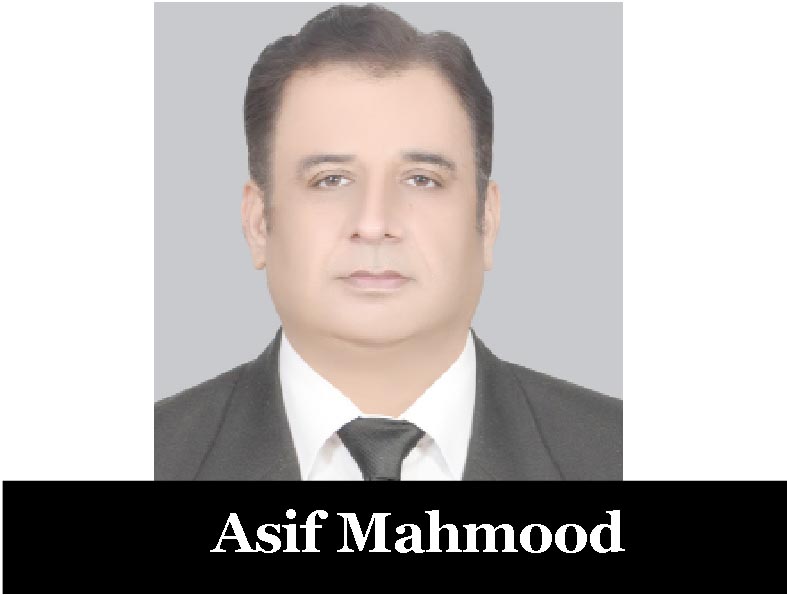
Asif Mahmood

Much of what is being written about the defence agreement between Pakistan and Saudi Arabia is either factually incorrect or based on a poor understanding of the relationship. In some cases, it is clearly driven by bias. It is therefore important to place this agreement in its proper context.

To begin with, Pakistan’s relationship with Saudi Arabia does not depend on any single defence arrangement. It neither began with such agreements nor can it be reduced to them. Looking at this relationship only through a defence lens misses the larger picture.

Pakistan and Saudi Arabia are not close because they have signed defence agreements. The reality is the other way around. These agreements exist because the two countries have shared a close and trusted relationship for decades. This relationship is not recent, nor is it transactional. It is long standing, stable, and deeply rooted.

The defence agreement is therefore not the basis of the relationship. It is simply one part of it. It reflects an existing understanding rather than creating one.

In fact, ties between Pakistan and Saudi Arabia go well beyond defence cooperation. There is political trust, economic engagement, religious affinity, and strong people to people contact. Defence cooperation is only one aspect of a much wider relationship.

A brief look at history makes this even clearer. Pakistan has maintained a military presence in Saudi Arabia since the 1970s, at times exceeding 10,000 troops. During the Gulf War of 1990 to 1991, Pakistani forces were involved in securing the holy sites. Over the years, Pakistan has also continued to send troops on rotation for training and advisory roles. Reports suggest that around 1,500 to 2,000 personnel are currently serving in such capacities. In addition, thousands of Saudi military personnel have been trained by Pakistan, and Pakistani units have been deployed in the Kingdom when needed.

Some of the reaction to this agreement, particularly from India, also needs to be understood in this context. There is visible discomfort in New Delhi over the depth of Pakistan Saudi ties, as it limits India’s room for manoeuvre not only in South Asia but also in the Middle East. At a time when Pakistan remains a relevant actor in both regions, this is not something its rivals welcome.

This explains why certain narratives are being built around the agreement to present it in a negative light. These narratives are then repeated and amplified, creating confusion about the nature of the arrangement. In reality, the agreement is not directed against any country, nor does it imply that either side is preparing to fight another’s war.

It is equally important to avoid another common misunderstanding. This agreement does not mean that Saudi Arabia is moving away from the United States or stepping out of its long standing security umbrella. Riyadh’s relationship with Washington remains deep and intact. At the same time, its ties with Pakistan are also longstanding and operate on their own footing. The two relationships are not in conflict with each other, nor do they cancel each other out. Saudi Arabia’s engagement with Pakistan reflects its own strategic choices and historical connections, not a departure from any other partnership.

At its core, this is an understanding between two long standing partners with a broad and durable relationship. The defence dimension is only one part of that relationship. Reading more into it only distorts the picture.

Without this clarity, any discussion of the agreement will remain incomplete.

Leave a Reply

Your email address will not be published. Required fields are marked *

Understanding the SMDA

Link copied!

Asif Mahmood

Much of what is being written about the defence agreement between Pakistan and Saudi Arabia is either factually incorrect or based on a poor understanding of the relationship. In some cases, it is clearly driven by bias. It is therefore important to place this agreement in its proper context.

To begin with, Pakistan’s relationship with Saudi Arabia does not depend on any single defence arrangement. It neither began with such agreements nor can it be reduced to them. Looking at this relationship only through a defence lens misses the larger picture.

Pakistan and Saudi Arabia are not close because they have signed defence agreements. The reality is the other way around. These agreements exist because the two countries have shared a close and trusted relationship for decades. This relationship is not recent, nor is it transactional. It is long standing, stable, and deeply rooted.

The defence agreement is therefore not the basis of the relationship. It is simply one part of it. It reflects an existing understanding rather than creating one.

In fact, ties between Pakistan and Saudi Arabia go well beyond defence cooperation. There is political trust, economic engagement, religious affinity, and strong people to people contact. Defence cooperation is only one aspect of a much wider relationship.

A brief look at history makes this even clearer. Pakistan has maintained a military presence in Saudi Arabia since the 1970s, at times exceeding 10,000 troops. During the Gulf War of 1990 to 1991, Pakistani forces were involved in securing the holy sites. Over the years, Pakistan has also continued to send troops on rotation for training and advisory roles. Reports suggest that around 1,500 to 2,000 personnel are currently serving in such capacities. In addition, thousands of Saudi military personnel have been trained by Pakistan, and Pakistani units have been deployed in the Kingdom when needed.

Some of the reaction to this agreement, particularly from India, also needs to be understood in this context. There is visible discomfort in New Delhi over the depth of Pakistan Saudi ties, as it limits India’s room for manoeuvre not only in South Asia but also in the Middle East. At a time when Pakistan remains a relevant actor in both regions, this is not something its rivals welcome.

This explains why certain narratives are being built around the agreement to present it in a negative light. These narratives are then repeated and amplified, creating confusion about the nature of the arrangement. In reality, the agreement is not directed against any country, nor does it imply that either side is preparing to fight another’s war.

It is equally important to avoid another common misunderstanding. This agreement does not mean that Saudi Arabia is moving away from the United States or stepping out of its long standing security umbrella. Riyadh’s relationship with Washington remains deep and intact. At the same time, its ties with Pakistan are also longstanding and operate on their own footing. The two relationships are not in conflict with each other, nor do they cancel each other out. Saudi Arabia’s engagement with Pakistan reflects its own strategic choices and historical connections, not a departure from any other partnership.

At its core, this is an understanding between two long standing partners with a broad and durable relationship. The defence dimension is only one part of that relationship. Reading more into it only distorts the picture.

Without this clarity, any discussion of the agreement will remain incomplete.

Leave a Reply

Your email address will not be published. Required fields are marked *