Daily The Patriot

What Does the Joint Action Committee Really Want in Azad Kashmir? 

Link copied!

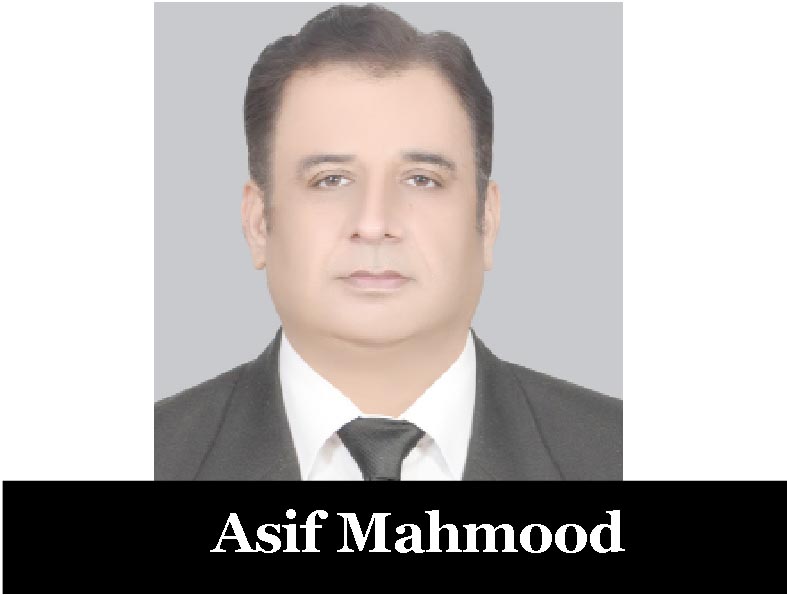
Asif Mahmood 

 The fundamental question surrounding the movement currently being revived in Azad Kashmir is simple: what exactly is its agenda? If the objective was to resolve public grievances, then this question becomes even more relevant given the developments of recent weeks. On May 30, high level negotiations were held between the Government of Pakistan and the Joint Action Committee of Azad Kashmir. The talks were attended by senior political leaders and government representatives, including Ahsan Iqbal, Rana Sanaullah, Tariq Fazal Chaudhry, Qamar Zaman Kaira, Raja Pervaiz Ashraf, Shah Ghulam Qadir, Tariq Farooq, and others. These were not merely symbolic discussions. As a result of the negotiations, twenty five out of the committee’s twenty eight demands have already been accepted, while seventeen FIRs have also been withdrawn. Given this substantial progress, one would have expected the Joint Action Committee to declare victory and return to the negotiating table whenever necessary. Instead, it continues to call for protests, strikes, and agitation. This naturally raises a question: if most of its demands have been met, what is the purpose of continuing the confrontation? Is the objective genuinely to resolve public issues, or is there another agenda aimed at creating instability and unrest in Azad Kashmir? The few demands that remain unresolved are limited in number, and the government’s reservations regarding them are understandable. Consider the issue of taxation. Azad Kashmir generates approximately Rs. 60 billion in annual revenue, while its total budget stands at nearly Rs. 300 billion. This means that roughly Rs. 240 billion is provided by the federal government of Pakistan. If the advance tax currently collected in the region were abolished, Azad Kashmir’s own revenue would decline by an additional Rs. 45 billion, leaving it with only about Rs. 15 billion in annual income. This raises an obvious question. How would a government with only Rs. 15 billion in revenue finance salaries, public services, development projects, and administrative expenses? Why should the federal government be expected to increase its financial burden even further when it is already providing the overwhelming majority of the region’s budgetary support? Any serious discussion of public policy must take economic realities into account. Similarly, the controversy surrounding refugee seats in the Azad Kashmir Legislative Assembly appears misplaced. The representation of refugees from Indian occupied Jammu and Kashmir is rooted in a well established historical, constitutional, and political framework. These seats are not merely an electoral arrangement. They reflect the broader constitutional position on the Jammu and Kashmir dispute and acknowledge the rights of those displaced by the conflict. For this reason, neither the abolition of these seats nor any attempt to curtail the rights of refugee communities can be justified. The timing of the renewed agitation is equally noteworthy. Azad Kashmir is entering an election cycle, and the deadline for the submission of nomination papers is rapidly approaching. Under such circumstances, it is reasonable to ask whether the movement is genuinely focused on public welfare or whether it is driven by broader political considerations connected to the electoral process. The wider national context cannot be ignored either. Pakistan continues to face serious security challenges. Terrorism and insurgent violence persist in Balochistan, while Khyber Pakhtunkhwa remains under pressure from militant threats. Against this backdrop, efforts to generate unrest and political turmoil in Azad Kashmir inevitably raise questions about the larger objectives behind such mobilization. It would be premature to make definitive claims about who may or may not be supporting these activities. However, one question remains unavoidable: when the overwhelming majority of demands have already been accepted, legal cases have been withdrawn, and channels of dialogue remain open, what justifies the continuation of disruptive protests? In any democratic society, peaceful protest is a legitimate right. However, when negotiations have yielded substantial results and most demands have been met, the continuation of agitation requires a clear moral, political, and legal justification. At present, that justification is far from evident. The real question before the people of Azad Kashmir, therefore, is not whether protests should take place. The real question is what these protests are ultimately intended to achieve. If the objective was the resolution of public grievances, significant progress has already been made. If, however, the aim is political destabilization, disruption of the electoral process, or the creation of hostility toward state institutions, then serious questions must be asked. The people of Azad Kashmir deserve to know the true destination of a movement being carried out in their name and who will ultimately bear the consequences of its actions.

ReplyForward

Add reaction

Leave a Reply

Your email address will not be published. Required fields are marked *

What Does the Joint Action Committee Really Want in Azad Kashmir? 

Link copied!

Asif Mahmood 

 The fundamental question surrounding the movement currently being revived in Azad Kashmir is simple: what exactly is its agenda? If the objective was to resolve public grievances, then this question becomes even more relevant given the developments of recent weeks. On May 30, high level negotiations were held between the Government of Pakistan and the Joint Action Committee of Azad Kashmir. The talks were attended by senior political leaders and government representatives, including Ahsan Iqbal, Rana Sanaullah, Tariq Fazal Chaudhry, Qamar Zaman Kaira, Raja Pervaiz Ashraf, Shah Ghulam Qadir, Tariq Farooq, and others. These were not merely symbolic discussions. As a result of the negotiations, twenty five out of the committee’s twenty eight demands have already been accepted, while seventeen FIRs have also been withdrawn. Given this substantial progress, one would have expected the Joint Action Committee to declare victory and return to the negotiating table whenever necessary. Instead, it continues to call for protests, strikes, and agitation. This naturally raises a question: if most of its demands have been met, what is the purpose of continuing the confrontation? Is the objective genuinely to resolve public issues, or is there another agenda aimed at creating instability and unrest in Azad Kashmir? The few demands that remain unresolved are limited in number, and the government’s reservations regarding them are understandable. Consider the issue of taxation. Azad Kashmir generates approximately Rs. 60 billion in annual revenue, while its total budget stands at nearly Rs. 300 billion. This means that roughly Rs. 240 billion is provided by the federal government of Pakistan. If the advance tax currently collected in the region were abolished, Azad Kashmir’s own revenue would decline by an additional Rs. 45 billion, leaving it with only about Rs. 15 billion in annual income. This raises an obvious question. How would a government with only Rs. 15 billion in revenue finance salaries, public services, development projects, and administrative expenses? Why should the federal government be expected to increase its financial burden even further when it is already providing the overwhelming majority of the region’s budgetary support? Any serious discussion of public policy must take economic realities into account. Similarly, the controversy surrounding refugee seats in the Azad Kashmir Legislative Assembly appears misplaced. The representation of refugees from Indian occupied Jammu and Kashmir is rooted in a well established historical, constitutional, and political framework. These seats are not merely an electoral arrangement. They reflect the broader constitutional position on the Jammu and Kashmir dispute and acknowledge the rights of those displaced by the conflict. For this reason, neither the abolition of these seats nor any attempt to curtail the rights of refugee communities can be justified. The timing of the renewed agitation is equally noteworthy. Azad Kashmir is entering an election cycle, and the deadline for the submission of nomination papers is rapidly approaching. Under such circumstances, it is reasonable to ask whether the movement is genuinely focused on public welfare or whether it is driven by broader political considerations connected to the electoral process. The wider national context cannot be ignored either. Pakistan continues to face serious security challenges. Terrorism and insurgent violence persist in Balochistan, while Khyber Pakhtunkhwa remains under pressure from militant threats. Against this backdrop, efforts to generate unrest and political turmoil in Azad Kashmir inevitably raise questions about the larger objectives behind such mobilization. It would be premature to make definitive claims about who may or may not be supporting these activities. However, one question remains unavoidable: when the overwhelming majority of demands have already been accepted, legal cases have been withdrawn, and channels of dialogue remain open, what justifies the continuation of disruptive protests? In any democratic society, peaceful protest is a legitimate right. However, when negotiations have yielded substantial results and most demands have been met, the continuation of agitation requires a clear moral, political, and legal justification. At present, that justification is far from evident. The real question before the people of Azad Kashmir, therefore, is not whether protests should take place. The real question is what these protests are ultimately intended to achieve. If the objective was the resolution of public grievances, significant progress has already been made. If, however, the aim is political destabilization, disruption of the electoral process, or the creation of hostility toward state institutions, then serious questions must be asked. The people of Azad Kashmir deserve to know the true destination of a movement being carried out in their name and who will ultimately bear the consequences of its actions.

ReplyForward

Add reaction

Leave a Reply

Your email address will not be published. Required fields are marked *