Daily The Patriot

Weaponizing Women in Balochistan 

Link copied!

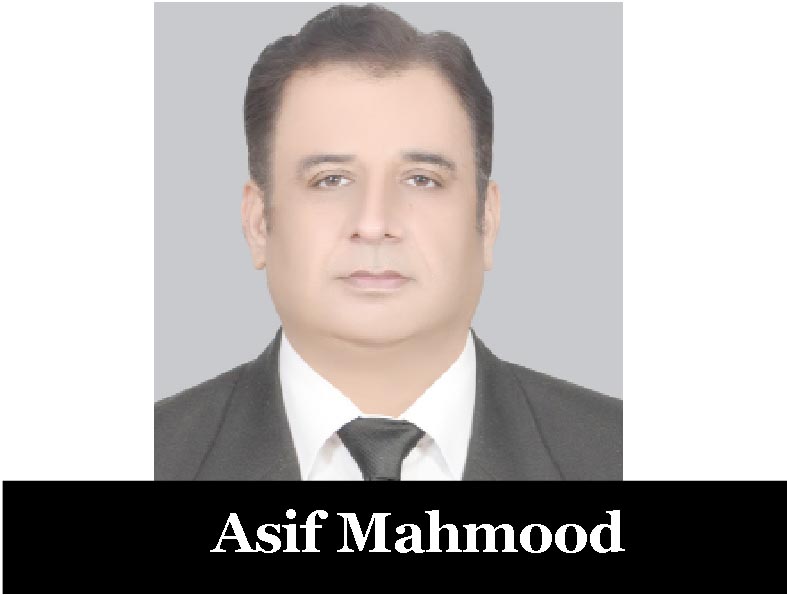
Asif Mahmood

In Balochistan, proxy networks are active and are violating every norm of ethics, dignity, and humanity. Unfortunately, the situation is further complicated by the presence of the Afghanistan border,  where full facilitation is being provided. 

Their targets are not limited to the state alone; rather, the social, cultural, and civilizational fabric of Balochistan is also being targeted. This can be understood from the fact that these proxy networks have now begun using women in acts of terrorism, subjecting them to forced exploitation and incorporating them into terrorist networks. 

Recent developments in Balochistan highlight the continuing efforts of Pakistan’s security institutions to confront and dismantle complex militant networks operating in the region. The evolving nature of these threats reflects a shift from isolated incidents towards more structured and adaptive forms of facilitation, requiring sustained and coordinated state response.

In a recent briefing in Quetta, senior officials from the Counter Terrorism Department and the Home Department referred to the 30 November attack on the FC Headquarters involving a female suicide bomber identified as Zarina Rafiq. Authorities also shared findings connected with ongoing investigations into facilitation networks linked to earlier incidents in 2025. The focus of the briefing remained on the broader operational ecosystem enabling such attacks.

Separately, investigators presented the confessional statement of Raheema Bibi, wife of Manzoor Ahmed from Dalbandin. In her statement, she described how individuals within her household environment were connected to militant facilitation activities, including support extended to operatives later involved in attacks on security forces. These disclosures are being examined as part of a wider counter terrorism investigation aimed at mapping support structures and operational linkages.

Security assessments indicate that militant facilitation is increasingly dispersed and concealed within everyday environments, making detection more complex. In response, Pakistan’s security institutions have strengthened intelligence based operations to identify hidden linkages and prevent misuse of civilian spaces for unlawful activities. This reflects a growing focus on proactive disruption rather than reactive response.

Cross border dimensions also remain a key concern. Reports of movement for training purposes and subsequent operational reintegration highlight the importance of sustained vigilance along external routes. Security institutions continue to emphasize addressing facilitation channels that extend beyond national borders and contribute to internal instability.

Another significant aspect is the structured nature of recruitment processes. Available assessments suggest that vulnerable individuals may be gradually influenced through ideological messaging before being drawn into organised networks. Security agencies are actively working to counter such tactics through surveillance, early detection, and disruption of recruitment pathways.

Alongside operational challenges, there is also an increasing attempt by hostile elements to shape narratives around security incidents. Authorities view this as part of a broader information strategy aimed at creating confusion and undermining public trust. In response, official communication mechanisms have been strengthened to ensure clarity and factual reporting.

Overall, these developments underscore the importance of Pakistan’s ongoing counter terrorism efforts to safeguard national security and maintain stability. The state continues to respond through coordinated intelligence operations, legal action, and institutional strengthening to dismantle such networks and prevent their re-emergence.

At the same time, there is strong recognition that these activities stand in direct contradiction to the cultural and social values of Baloch society as well as the broader national ethos, both of which reject the exploitation of individuals for violent purposes. The combined effort of state institutions and communities remains essential for long term peace and stability.

Leave a Reply

Your email address will not be published. Required fields are marked *

Weaponizing Women in Balochistan 

Link copied!

Asif Mahmood

In Balochistan, proxy networks are active and are violating every norm of ethics, dignity, and humanity. Unfortunately, the situation is further complicated by the presence of the Afghanistan border,  where full facilitation is being provided. 

Their targets are not limited to the state alone; rather, the social, cultural, and civilizational fabric of Balochistan is also being targeted. This can be understood from the fact that these proxy networks have now begun using women in acts of terrorism, subjecting them to forced exploitation and incorporating them into terrorist networks. 

Recent developments in Balochistan highlight the continuing efforts of Pakistan’s security institutions to confront and dismantle complex militant networks operating in the region. The evolving nature of these threats reflects a shift from isolated incidents towards more structured and adaptive forms of facilitation, requiring sustained and coordinated state response.

In a recent briefing in Quetta, senior officials from the Counter Terrorism Department and the Home Department referred to the 30 November attack on the FC Headquarters involving a female suicide bomber identified as Zarina Rafiq. Authorities also shared findings connected with ongoing investigations into facilitation networks linked to earlier incidents in 2025. The focus of the briefing remained on the broader operational ecosystem enabling such attacks.

Separately, investigators presented the confessional statement of Raheema Bibi, wife of Manzoor Ahmed from Dalbandin. In her statement, she described how individuals within her household environment were connected to militant facilitation activities, including support extended to operatives later involved in attacks on security forces. These disclosures are being examined as part of a wider counter terrorism investigation aimed at mapping support structures and operational linkages.

Security assessments indicate that militant facilitation is increasingly dispersed and concealed within everyday environments, making detection more complex. In response, Pakistan’s security institutions have strengthened intelligence based operations to identify hidden linkages and prevent misuse of civilian spaces for unlawful activities. This reflects a growing focus on proactive disruption rather than reactive response.

Cross border dimensions also remain a key concern. Reports of movement for training purposes and subsequent operational reintegration highlight the importance of sustained vigilance along external routes. Security institutions continue to emphasize addressing facilitation channels that extend beyond national borders and contribute to internal instability.

Another significant aspect is the structured nature of recruitment processes. Available assessments suggest that vulnerable individuals may be gradually influenced through ideological messaging before being drawn into organised networks. Security agencies are actively working to counter such tactics through surveillance, early detection, and disruption of recruitment pathways.

Alongside operational challenges, there is also an increasing attempt by hostile elements to shape narratives around security incidents. Authorities view this as part of a broader information strategy aimed at creating confusion and undermining public trust. In response, official communication mechanisms have been strengthened to ensure clarity and factual reporting.

Overall, these developments underscore the importance of Pakistan’s ongoing counter terrorism efforts to safeguard national security and maintain stability. The state continues to respond through coordinated intelligence operations, legal action, and institutional strengthening to dismantle such networks and prevent their re-emergence.

At the same time, there is strong recognition that these activities stand in direct contradiction to the cultural and social values of Baloch society as well as the broader national ethos, both of which reject the exploitation of individuals for violent purposes. The combined effort of state institutions and communities remains essential for long term peace and stability.

Leave a Reply

Your email address will not be published. Required fields are marked *