


By: Johar Shah
Since the very beginning of human life, people have faced many challenges while exploring the mysteries of the world and the universe. Among all these challenges, three things stand out as the most important for survival: air, water, and food. These are the basic pillars of life. Without them, life itself is in danger. If even one of these resources is missing, it is not just humans who are at risk, but all living beings. In fact, life on Earth as we know it would become almost impossible.
Among these essentials, air is paramount. Humans cannot survive for more than a few minutes without oxygen. Through respiration, oxygen enters the bloodstream, energizing the brain, heart, and every cell in the body. Polluted or toxic air poses severe risks to human health, causing respiratory, cardiovascular, and neurological diseases. Industrial emissions, vehicle exhaust, and deforestation are further degrading air quality, putting future generations at risk. According to the World Health Organization, millions of people succumb annually to diseases linked to air pollution, and this number continues to rise.
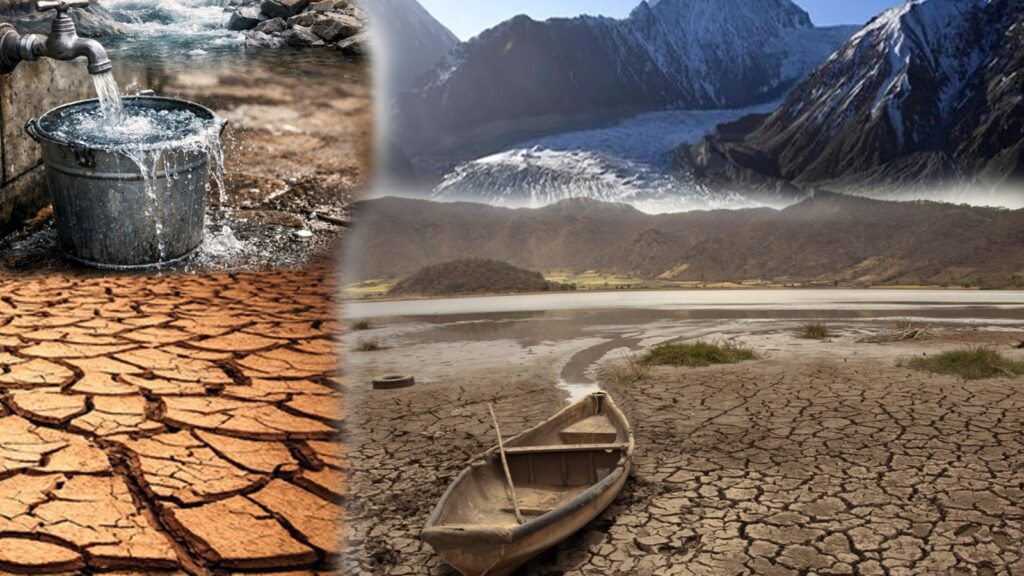
The second critical necessity is water, comprising roughly 60–70% of the human body. Water is indispensable for blood circulation, temperature regulation, digestion, and the removal of toxins. Humans can survive only a few days without water, making its availability vital not just for health, but for economic stability and social well-being. Unequal distribution, political manipulation, or military control over water can trigger crises on a global scale. Scarcity of water directly threatens human life, food production, livelihoods, and economic stability, creating a potential breeding ground for conflict. Environmental experts warn that over the next 25–35 years, severe water shortages may profoundly impact many regions of the world, particularly South Asia, the Middle East, and parts of Africa. In Pakistan, India, Afghanistan, and Bangladesh, rapidly growing populations, melting glaciers, erratic rainfall, and irresponsible water use could exacerbate water scarcity. Similarly, countries like Saudi Arabia, Iran, Iraq, Yemen, and Jordan in the Middle East, as well as Egypt, Nigeria, Ethiopia, South Africa, northern China, Australia, and Mexico, face escalating risks from dwindling water supplies. Without timely conservation efforts and effective water management, future conflicts over water resources could escalate to serious regional or even global crises.
The third cornerstone of survival is food, which provides the energy required for daily labour, work, and sustenance. Adequate and balanced nutrition is essential not only for physical growth but also for mental health, immunity, and disease prevention. Malnutrition or insufficient food supply fosters poverty, illness, and inequality within societies. According to the Food and Agriculture Organization, nearly 90 million people worldwide face hunger or food scarcity annually, and this number is projected to rise due to population growth and the depletion of natural resources.
In South Asia, both Pakistan and India are particularly vulnerable to water scarcity. Recent aggressive manoeuvres by India regarding the Indus Waters Treaty—established in 1960 under World Bank arbitration—highlight the potential for water to be used as a geopolitical tool. This treaty, which has ensured six decades of cooperative water-sharing between the two countries, is vital for Pakistan’s agricultural, industrial, and domestic water needs. Over 70% of Pakistan’s water supply, including nearly 80% of irrigation and drinking water, relies on this system, supporting more than 60% of the nation’s food production. Any disruption could have devastating consequences for livelihoods, food security, and the economy. Experts warn that if urgent measures for water conservation and management are not implemented, Pakistan may face an acute water crisis by 2030, potentially threatening economic stability, food availability, and the livelihoods of millions. Scarcity of water can lead to social unrest, inflation, forced migration, and widespread food insecurity.
Air, water, and food are non-negotiable pillars of life. Ensuring their clean, safe, and equitable distribution is essential for a healthy, stable, and peaceful society. Exploiting or weaponizing these resources amid political tensions or conflicts poses an existential threat to humanity. Protecting clean water, conserving resources, and guaranteeing fair access are synonymous with safeguarding human life. Today, it is the highest responsibility of informed citizens, governments, and international organizations to ensure that these fundamental elements are preserved for present and future generations.