


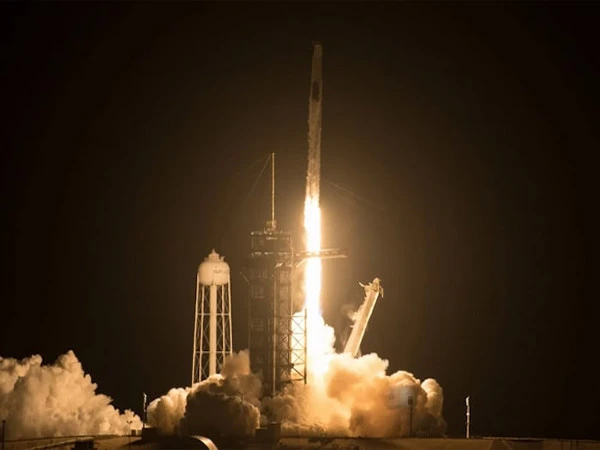
A new study has found that black carbon particles released during rocket launches persist in the upper atmosphere for much longer than black ash produced on Earth.
According to a new study led by the UK’s University College London (UCL), this ash produced during the launch of mega-constellations of hundreds or thousands of satellites into space could have effects on Earth’s climate system that are not yet fully understood, but they could prove to be extremely serious.
According to the study’s lead author and UCL atmospheric chemist Connor Barker, rocket launches are a unique source of pollution because they deliver harmful chemicals directly into the upper atmosphere, polluting this last relatively clean and unpolluted environment on Earth.
The number of rockets sent into space has increased dramatically since 2019 and shows no signs of slowing down. This year alone, more rockets have been launched than in all of 2020.
Space industry experts estimate that by the end of the year, the total number of launches could surpass the record 329 launches in 2025.
The main reason for this rapid increase is the Falcon 9 rocket of the American company SpaceX, while China has also attempted a record 92 rocket launches in 2025.