Pakistan’s demographic profile makes this responsibility even more significant. A large and energetic youth population can become the country’s greatest economic and social asset if provided with appropriate education, skills and opportunities. Conversely, neglecting this generation would mean losing a historic opportunity for national progress.
The Independence Day ceremony therefore carried a message extending well beyond the celebrations of August 14. It reminded the nation that the best tribute to the sacrifices of its forefathers is to invest in its children and empower its youth.
As Pakistan marks another year of independence, the pledge should be clear: build an education system that reaches every deserving child, nurture talent regardless of background, and equip young Pakistanis to meet the challenges of a rapidly changing world. The future of Pakistan will ultimately be shaped by the knowledge, character and determination of its youth.
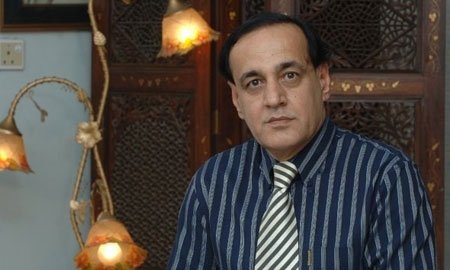
Pakistan’s Independence Day is more than a celebration of freedom; it is an occasion to reflect on the sacrifices that made the country possible and to renew the commitment to building a stronger, more prosperous and peaceful nation. The Independence Day ceremony at Daanish School Islamabad offered precisely such an opportunity, placing the country’s youth and their education at the centre of the national conversation. Chairman Prime Minister’s Youth Programme Rana Mashhood Ahmad Khan, who attended the ceremony as chief guest, highlighted an important truth: Pakistan’s greatest strength lies in its young generation. The enthusiastic participation of students, their speeches in Urdu and English, and their spirited performances of national songs reflected both patriotism and confidence in the country’s future.
The ceremony began with the recitation of the Holy Quran, followed by the national anthem and flag-hoisting ceremony. While these traditional elements carried the familiar symbolism of Independence Day, the students’ participation gave the event a deeper meaning. Their expressions of love for Pakistan demonstrated that patriotism is not merely a sentiment but a responsibility that must be translated into constructive action. Addressing the gathering, Rana Mashhood Ahmad Khan rightly recalled that Pakistan emerged from a historic struggle marked by determination, sacrifice and perseverance. The country’s founders did not struggle merely for a geographical homeland; they envisioned a state where its people could live with dignity and where future generations could flourish.
That vision makes education one of the most important pillars of national development. The Daanish Schools initiative represents an effort to provide quality and modern education to talented children from underprivileged and disadvantaged backgrounds. By widening access to educational opportunities, such initiatives can help bridge social and economic divides and ensure that talent is not lost simply because of financial circumstances.
The real test, however, lies in sustaining quality, ensuring transparency and expanding such opportunities to deserving students across the country. Education must go beyond textbooks and examinations. Young people need technical skills, critical thinking, confidence, discipline and strong character if they are to become productive citizens and effective contributors to the national economy.


Link copied!
Link copied!