Daily The Patriot

Pakistan Belongs to Its Minorities Too

Link copied!

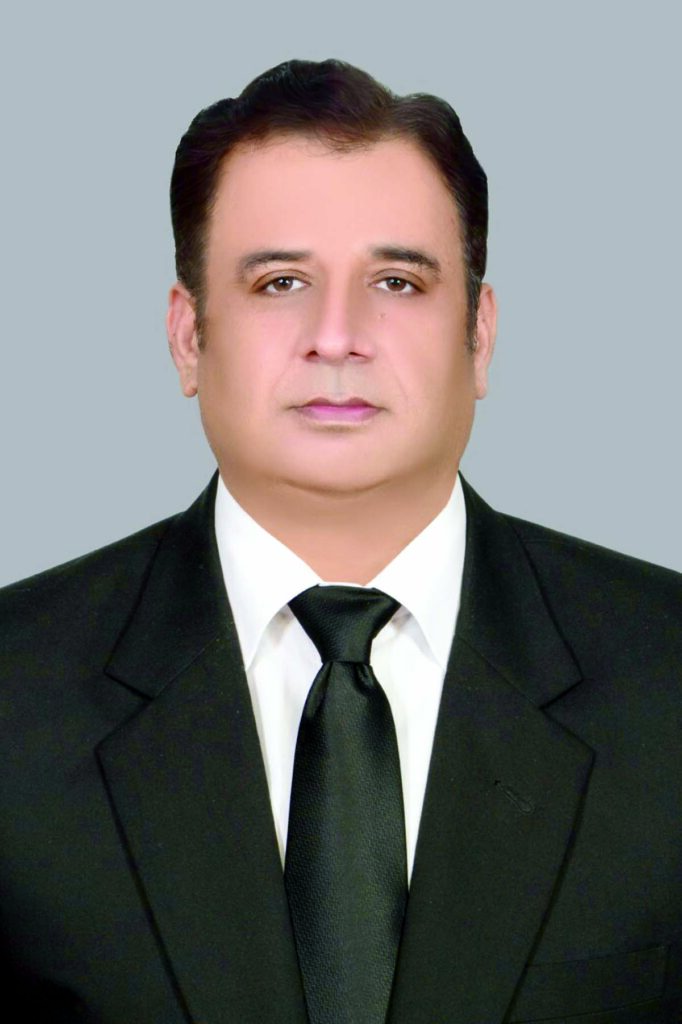
Asif Mahmood

There is one thing we need to understand clearly as part of our national narrative: Pakistan belongs to us, and it belongs equally to its minorities. They are not stepchildren in this country; they are equal citizens with an equal stake in its future.

If Rashid Minhas and Major Aziz Bhatti laid down their lives for Pakistan, so did Commander Leslie Middlecoat and Squadron Leader Peter Christy. If Captain Sarwar Shaheed, recipient of the Nishan-e-Haider, made the ultimate sacrifice, so did Yaqoob Masih on the very same mountain. They are all our heroes. They served Pakistan, sacrificed for Pakistan and helped build Pakistan. Hats off to every one of them.

If Air Marshal Nur Khan rendered invaluable services to Pakistan, so did Air Vice Marshal Eric G. Hall.

Our legal history carries the names of minorities with distinction. Justice Cornelius, Justice Bhagwan Das and Justice Dorab Patel are all part of our judicial heritage.

Pakistan’s diplomatic history would be incomplete without Jamsheed Marker. Cricket had Danish Kaneria; our film industry had Shabnam; the Benjamin Sisters enriched our music; and Ardeshir Cowasjee left an unmistakable mark on journalism.

And, hand on heart, who could have loved Pakistan more deeply than Raja Tridev Roy of the Chakma community of Chittagong?

Pakistan is a bouquet enriched by the diversity of its flowers. Those who have served the state with distinction come from every community. This country belongs to everyone.

If some intellectual knots still remain, the Preamble to the Constitution and its key provisions should be taught more meaningfully. They embody a fundamental national commitment: whether a citizen belongs to the majority or a minority, the state belongs to all, and all citizens are equal before it.

The Preamble provides that Muslims shall be enabled to order their lives according to the teachings of the Quran and Sunnah. At the same time, it guarantees minorities complete freedom to profess and practice their religions and to develop their cultures.

This distinction matters. Worship may take place within the four walls of a place of worship, but culture is a much broader social and civilizational phenomenon. It deserves a meaningful place in our national narrative.

Article 20 guarantees every citizen, regardless of religion, the right to profess, practice and propagate his or her faith, subject to law, public order and morality.

Article 22 provides important safeguards for minorities. No citizen may be denied admission to a public educational institution on the basis of religion, race, caste or place of birth. Nor can a student be compelled to receive religious instruction or participate in a religious ceremony relating to another faith.

Article 25 establishes the fundamental principle of equality before the law. Article 36 goes further, requiring the state to safeguard the legitimate rights and interests of minorities, including their due representation in federal and provincial services.

This constitutional commitment is not limited to formal equality. It also requires appropriate representation of minorities in public service.

The principle was reaffirmed when the Supreme Court rejected a petition seeking to fill vacant minority quota seats in the Punjab Public Service Commission on open merit. The seats might have remained vacant, but they remained minority quota seats.

The Supreme Court also made an important point: the term “minority” refers only to numerical strength. It does not imply any lesser status, standing or dignity as citizens.

The situation of minorities in Pakistan may not be ideal, but neither is it as bleak as it is sometimes portrayed. Considerable steps have been taken to protect their rights.

Minorities have four reserved seats in the Senate, ten in the National Assembly and proportionate representation in the provincial assemblies. There is a five per cent quota for minorities in federal government services, while more than 2,000 minority citizens serve in Grade 17 and above. A National Commission for Minorities has also been established.

The state recognizes minority religious festivals, including Holi, Diwali and Easter. The Hindu Marriage Act 2017 was enacted, the Sikh Marriage Act has been implemented in Punjab, and minority task forces and district-level committees have been established to address complaints and safeguard minority rights.

This does not mean that nothing more needs to be done. Much more is certainly required. But it is equally important to recognize that Pakistan’s commitment to minorities is not confined to words on constitutional paper. Legislative, institutional and administrative measures have been taken to give those rights practical meaning.

This country belongs to everyone.

And everyone should feel that they belong to this country.

Leave a Reply

Your email address will not be published. Required fields are marked *

Pakistan Belongs to Its Minorities Too

Link copied!

Asif Mahmood

There is one thing we need to understand clearly as part of our national narrative: Pakistan belongs to us, and it belongs equally to its minorities. They are not stepchildren in this country; they are equal citizens with an equal stake in its future.

If Rashid Minhas and Major Aziz Bhatti laid down their lives for Pakistan, so did Commander Leslie Middlecoat and Squadron Leader Peter Christy. If Captain Sarwar Shaheed, recipient of the Nishan-e-Haider, made the ultimate sacrifice, so did Yaqoob Masih on the very same mountain. They are all our heroes. They served Pakistan, sacrificed for Pakistan and helped build Pakistan. Hats off to every one of them.

If Air Marshal Nur Khan rendered invaluable services to Pakistan, so did Air Vice Marshal Eric G. Hall.

Our legal history carries the names of minorities with distinction. Justice Cornelius, Justice Bhagwan Das and Justice Dorab Patel are all part of our judicial heritage.

Pakistan’s diplomatic history would be incomplete without Jamsheed Marker. Cricket had Danish Kaneria; our film industry had Shabnam; the Benjamin Sisters enriched our music; and Ardeshir Cowasjee left an unmistakable mark on journalism.

And, hand on heart, who could have loved Pakistan more deeply than Raja Tridev Roy of the Chakma community of Chittagong?

Pakistan is a bouquet enriched by the diversity of its flowers. Those who have served the state with distinction come from every community. This country belongs to everyone.

If some intellectual knots still remain, the Preamble to the Constitution and its key provisions should be taught more meaningfully. They embody a fundamental national commitment: whether a citizen belongs to the majority or a minority, the state belongs to all, and all citizens are equal before it.

The Preamble provides that Muslims shall be enabled to order their lives according to the teachings of the Quran and Sunnah. At the same time, it guarantees minorities complete freedom to profess and practice their religions and to develop their cultures.

This distinction matters. Worship may take place within the four walls of a place of worship, but culture is a much broader social and civilizational phenomenon. It deserves a meaningful place in our national narrative.

Article 20 guarantees every citizen, regardless of religion, the right to profess, practice and propagate his or her faith, subject to law, public order and morality.

Article 22 provides important safeguards for minorities. No citizen may be denied admission to a public educational institution on the basis of religion, race, caste or place of birth. Nor can a student be compelled to receive religious instruction or participate in a religious ceremony relating to another faith.

Article 25 establishes the fundamental principle of equality before the law. Article 36 goes further, requiring the state to safeguard the legitimate rights and interests of minorities, including their due representation in federal and provincial services.

This constitutional commitment is not limited to formal equality. It also requires appropriate representation of minorities in public service.

The principle was reaffirmed when the Supreme Court rejected a petition seeking to fill vacant minority quota seats in the Punjab Public Service Commission on open merit. The seats might have remained vacant, but they remained minority quota seats.

The Supreme Court also made an important point: the term “minority” refers only to numerical strength. It does not imply any lesser status, standing or dignity as citizens.

The situation of minorities in Pakistan may not be ideal, but neither is it as bleak as it is sometimes portrayed. Considerable steps have been taken to protect their rights.

Minorities have four reserved seats in the Senate, ten in the National Assembly and proportionate representation in the provincial assemblies. There is a five per cent quota for minorities in federal government services, while more than 2,000 minority citizens serve in Grade 17 and above. A National Commission for Minorities has also been established.

The state recognizes minority religious festivals, including Holi, Diwali and Easter. The Hindu Marriage Act 2017 was enacted, the Sikh Marriage Act has been implemented in Punjab, and minority task forces and district-level committees have been established to address complaints and safeguard minority rights.

This does not mean that nothing more needs to be done. Much more is certainly required. But it is equally important to recognize that Pakistan’s commitment to minorities is not confined to words on constitutional paper. Legislative, institutional and administrative measures have been taken to give those rights practical meaning.

This country belongs to everyone.

And everyone should feel that they belong to this country.

Leave a Reply

Your email address will not be published. Required fields are marked *