Daily The Patriot

Khalistan Referendum

Link copied!

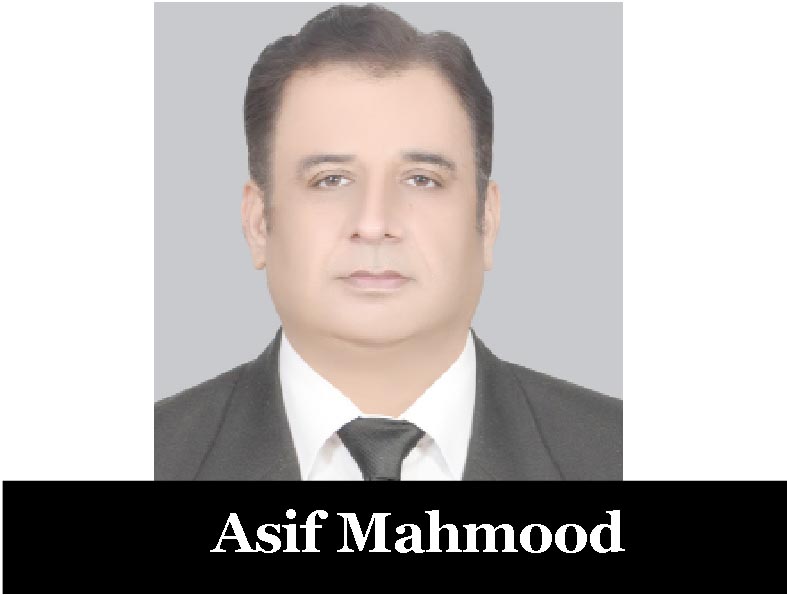
Asif Mahmood

For decades, the Indian state has sought to erase the Sikh identity through violence, intimidation, and systemic oppression. The wounds of Operation Blue Star and the 1984 anti-Sikh riots remain open, a permanent scar on India’s claim to justice. The Sikh diaspora refuses to remain silent. On August 17, 2025, Sikhs in the United States will hold a referendum in Washington D.C., a peaceful assertion of their right to self-determination under international law. Millions of Sikhs worldwide see this vote as an opportunity to demand accountability and challenge decades of brutal treatment by the Indian state, exposing its ongoing record of repression and discrimination.
The referendum brings the Khalistan movement to the international stage. It shows that Sikhs can organize legally and peacefully in countries that respect democratic freedoms. It gives the global Sikh diaspora a platform to advocate for their rights and ensures that the world cannot ignore their demands. Since 2021, the Khalistan referendum has been held successfully in eight countries, including Canada, Australia, and the United Kingdom. Each successful referendum sends a message that the movement is alive and organized.
India has consistently tried to suppress the Khalistan movement abroad. It has labeled pro-Khalistan groups as extremist or terrorist organizations and pressured Western governments to act against them. In reality, these groups engage only in peaceful advocacy. In 2023, the United States charged an Indian government employee for a foiled assassination plot targeting Gurpatwant Singh Pannun, a leading Khalistan activist. This incident exposed India’s attempts to intimidate the diaspora and interfere with lawful political activities. Western courts have repeatedly rejected India’s extradition requests, showing that Indian claims are politically motivated and lack legal merit.
The Khalistan movement represents the peaceful political struggle of approximately 30 million Sikhs worldwide. It is rooted in historical injustices, including state-led attacks on Sikh temples, arbitrary detentions, enforced disappearances, and ongoing discrimination.
The Washington referendum highlights India’s inability or unwillingness to address these grievances through dialogue or policy reform. By contrast, countries like the United States, Canada, and Australia allow Sikhs to organize freely and defend their democratic rights.
The referendum also challenges India’s international image. It exposes India’s human rights record and demonstrates that repression cannot erase the voices of millions. Indian intelligence networks have been active abroad, trying to intimidate Sikh activists and spy on diaspora communities. Agencies like ASIO in Australia and the FBI in the United States have uncovered these operations and acted to protect Sikh activists. These revelations weaken India’s claims of moral authority and show the world that the Indian government is willing to violate international norms to silence dissent.

The Washington referendum creates an enduring international record. Each vote is a documented expression of the demand for Khalistan, which Indian authorities cannot legally suppress outside their borders. It strengthens global advocacy, increases pressure on international bodies to scrutinize India’s human rights record, and ensures that Sikh grievances are taken seriously. Attempts to delegitimize the referendum or intimidate participants will backfire, reinforcing the narrative that India has not addressed historical injustices.
For the Sikh diaspora, the referendum is a moral and political milestone. It honors those who suffered in 1984 and in the years of systematic discrimination that followed. It demonstrates political unity and a call for justice that cannot be ignored.
The world is watching as millions of Sikhs exercise their right to free expression and self-determination. The referendum proves that the Khalistan movement is alive, organized, and backed by millions globally. Repression and propaganda cannot stop a peaceful global movement.
The referendum is a turning point, sending a clear message: Sikhs will continue their peaceful struggle, and India cannot silence them with threats, propaganda, or covert operations.

Leave a Reply

Your email address will not be published. Required fields are marked *

Khalistan Referendum

Link copied!

Asif Mahmood

For decades, the Indian state has sought to erase the Sikh identity through violence, intimidation, and systemic oppression. The wounds of Operation Blue Star and the 1984 anti-Sikh riots remain open, a permanent scar on India’s claim to justice. The Sikh diaspora refuses to remain silent. On August 17, 2025, Sikhs in the United States will hold a referendum in Washington D.C., a peaceful assertion of their right to self-determination under international law. Millions of Sikhs worldwide see this vote as an opportunity to demand accountability and challenge decades of brutal treatment by the Indian state, exposing its ongoing record of repression and discrimination.
The referendum brings the Khalistan movement to the international stage. It shows that Sikhs can organize legally and peacefully in countries that respect democratic freedoms. It gives the global Sikh diaspora a platform to advocate for their rights and ensures that the world cannot ignore their demands. Since 2021, the Khalistan referendum has been held successfully in eight countries, including Canada, Australia, and the United Kingdom. Each successful referendum sends a message that the movement is alive and organized.
India has consistently tried to suppress the Khalistan movement abroad. It has labeled pro-Khalistan groups as extremist or terrorist organizations and pressured Western governments to act against them. In reality, these groups engage only in peaceful advocacy. In 2023, the United States charged an Indian government employee for a foiled assassination plot targeting Gurpatwant Singh Pannun, a leading Khalistan activist. This incident exposed India’s attempts to intimidate the diaspora and interfere with lawful political activities. Western courts have repeatedly rejected India’s extradition requests, showing that Indian claims are politically motivated and lack legal merit.
The Khalistan movement represents the peaceful political struggle of approximately 30 million Sikhs worldwide. It is rooted in historical injustices, including state-led attacks on Sikh temples, arbitrary detentions, enforced disappearances, and ongoing discrimination.
The Washington referendum highlights India’s inability or unwillingness to address these grievances through dialogue or policy reform. By contrast, countries like the United States, Canada, and Australia allow Sikhs to organize freely and defend their democratic rights.
The referendum also challenges India’s international image. It exposes India’s human rights record and demonstrates that repression cannot erase the voices of millions. Indian intelligence networks have been active abroad, trying to intimidate Sikh activists and spy on diaspora communities. Agencies like ASIO in Australia and the FBI in the United States have uncovered these operations and acted to protect Sikh activists. These revelations weaken India’s claims of moral authority and show the world that the Indian government is willing to violate international norms to silence dissent.

The Washington referendum creates an enduring international record. Each vote is a documented expression of the demand for Khalistan, which Indian authorities cannot legally suppress outside their borders. It strengthens global advocacy, increases pressure on international bodies to scrutinize India’s human rights record, and ensures that Sikh grievances are taken seriously. Attempts to delegitimize the referendum or intimidate participants will backfire, reinforcing the narrative that India has not addressed historical injustices.
For the Sikh diaspora, the referendum is a moral and political milestone. It honors those who suffered in 1984 and in the years of systematic discrimination that followed. It demonstrates political unity and a call for justice that cannot be ignored.
The world is watching as millions of Sikhs exercise their right to free expression and self-determination. The referendum proves that the Khalistan movement is alive, organized, and backed by millions globally. Repression and propaganda cannot stop a peaceful global movement.
The referendum is a turning point, sending a clear message: Sikhs will continue their peaceful struggle, and India cannot silence them with threats, propaganda, or covert operations.

Leave a Reply

Your email address will not be published. Required fields are marked *