


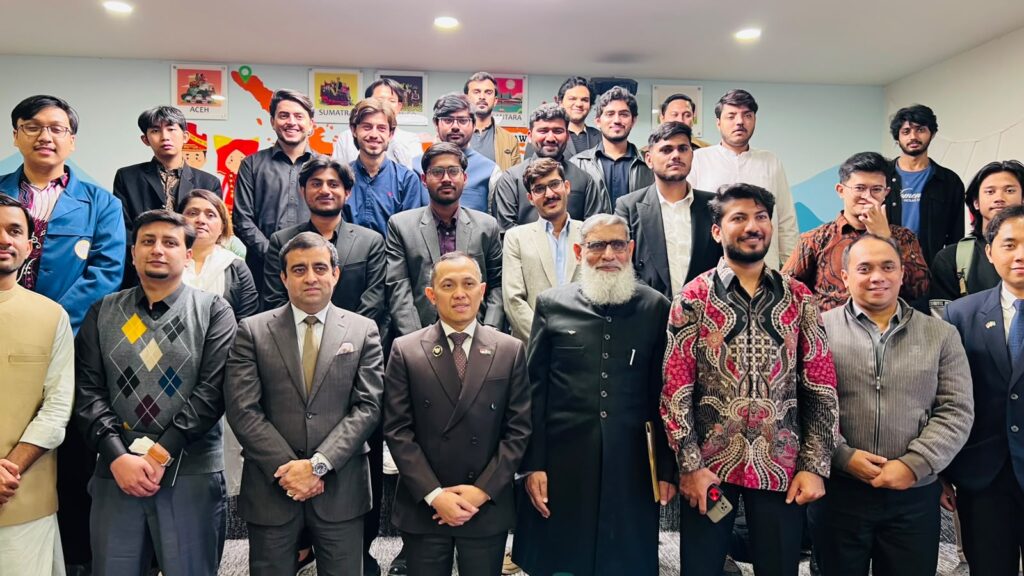
ISLAMABAD: The International Institute for Regional and International Studies (IIRIS), in collaboration with the Indonesian Corner of the Embassy of the Republic of Indonesia in Islamabad, organised an interactive discussion titled “Getting to Know the OIC and Its Role in International Cooperation” at the Indonesia Corner, National Library of Pakistan, Islamabad.
The discussion brought together academics, diplomats, researchers, university students, representatives of think tanks, media professionals, and Indonesian students to explore the institutional framework, objectives, achievements, and contemporary challenges facing the Organisation of Islamic Cooperation (OIC).
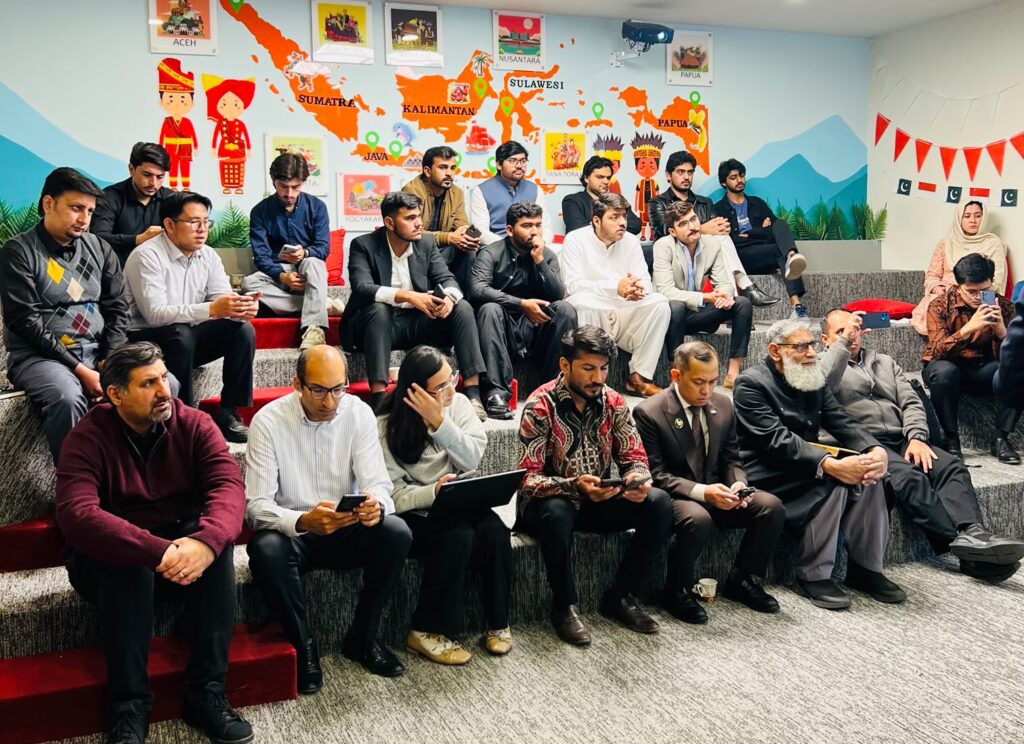
The session commenced with welcome remarks and a concept note by Shafiqat Rasool, President of IIRIS, who hosted the discussion and outlined its objectives. He emphasised the importance of understanding the OIC beyond its institutional structure, particularly its role in advancing collective interests, strengthening cooperation among member states, and responding to emerging political and international challenges.
Brigadier (Retd.) Bilal, he shared his insights into the strengths and institutional limitations of the OIC. He highlighted Pakistan’s significant position as a founding member of the organisation and underscored the need for stronger political coordination, greater Muslim unity, and more effective decision-making mechanisms. He also offered suggestions for institutional reforms, including exploring stronger collective decision-making arrangements and addressing the limitations that constrain the organisation’s effectiveness.
Dr. Mazar, PhD Scholar at Quaid-i-Azam University, Islamabad, examined the political dimensions of the OIC, discussing its institutional strengths, political significance, and role in representing the collective interests of Muslim-majority countries. He highlighted the importance of political solidarity and coordinated engagement among member states in addressing contemporary international issues.
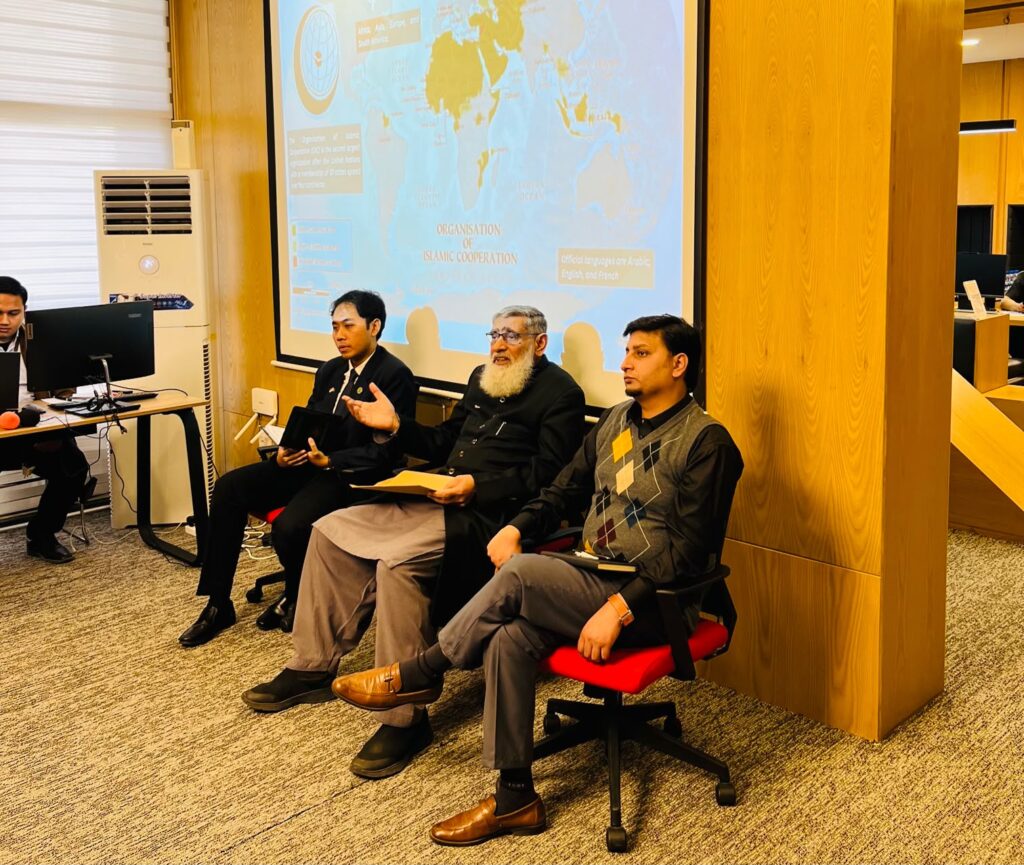
Providing a comprehensive overview of the organisation, Ahmad Naufal Maheswara Puspito introduced participants to the OIC’s institutional foundations, organisational structure, objectives, and areas of engagement. His presentation offered valuable insights into the organisation’s evolution and its broader role in international cooperation.
In his concluding remarks, Mr. Rahmat Hindiarta, Deputy Head of Mission at the Embassy of the Republic of Indonesia in Islamabad, presented Indonesia’s perspective on the importance of the OIC and its future role. He emphasised the need to strengthen the organisation, promote greater unity among Muslim countries, and empower Muslim communities through meaningful cooperation. He also highlighted the importance of collective engagement in addressing shared challenges and advancing common interests in the international arena.
The formal presentations were followed by an interactive question-and-answer session, allowing participants to exchange views, raise questions, and engage directly with the speakers on the OIC’s institutional effectiveness, political challenges, and future prospects.
The discussion was attended by students and representatives from the National Institute of Pakistan Studies (NIPS), Quaid-i-Azam University, the National University of Modern Languages (NUML), the International Islamic University Islamabad (IIUI), alongside Indonesian students, media representatives, researchers, and members of the policy and think-tank community.
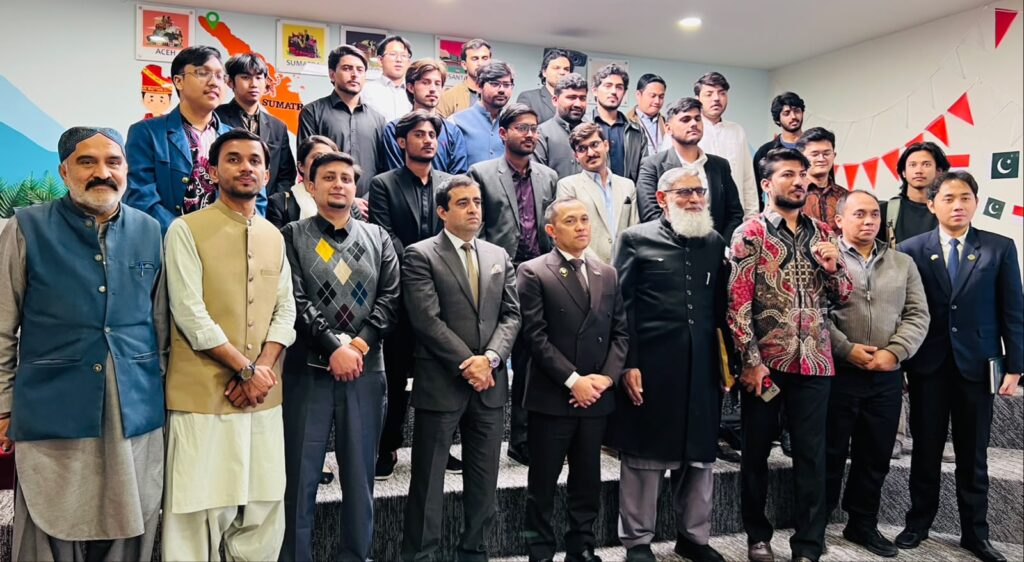
The event provided an important platform for academic engagement and informed dialogue on the role of multilateral institutions in contemporary international relations. It also reinforced the value of Pakistan–Indonesia academic and intellectual cooperation and the importance of creating opportunities for students and researchers to engage with international organisations and diplomatic perspectives.
Through such initiatives, IIRIS continues to promote research, diplomacy, and regional cooperation by facilitating meaningful dialogue between diplomatic missions, academic institutions, researchers, and the wider policy community.