Daily The Patriot

Iran prepares bill to secure Strait of Hormuz and collect toll tax from passing ships

Link copied!

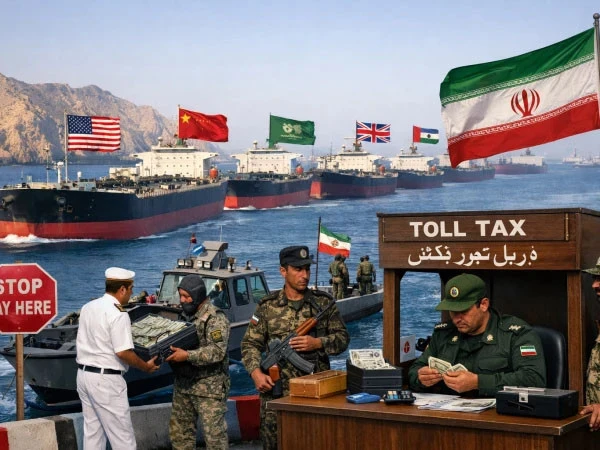
Iran is working on a “Strait of Hormuz Management Plan” under which not only could restrictions be imposed on ships from specific countries, but also fees or tolls could be levied on passing ships.

According to the International News Agency, Iran has accelerated the preparation of legislation related to the Strait of Hormuz, under which full control of this important waterway can be handed over to the country’s armed forces.

Ebrahim Azizi, head of the National Security Committee of the Iranian Parliament, said that the proposed law has made it clear that the security, surveillance and passage arrangements of the Strait of Hormuz will be the responsibility of the armed forces.

It should be remembered that in practice, the Iranian armed forces still control this important passage, but through the new law it will be formalized and legalized.

Speaking to state TV, Ebrahim Azizi said Iran intends to ban the passage of ships affiliated with its enemy countries.

He also indicated that the proposed law includes a condition that revenues from the Strait of Hormuz be received in Iranian currency (rial).

The Iranian parliament has also proposed that when ships pass through the Strait of Hormuz, shipping companies be charged a fee for specific services. This way, they will be able to charge fees directly without calling it a toll tax.

Iran is presenting the plan in a way that will gain more political and legal support, and is working on it together with Oman.

It should be noted that Iran has not yet ratified the United Nations Convention on the Law of the Sea (UNCLOS), but it is presenting its proposed fee in a way that will be in line with this international law.

On Sunday, Iran also held talks with Oman, which controls the southern part of the strait. Therefore, cooperation with Oman is essential for any of its projects.

Therefore, both countries want to have the support of the United Nations and the International Maritime Organization. Iran is not presenting this as a unilateral move.

On the other hand, Britain and European countries are against such fees, considering them to be against freedom of navigation, which means that it should be free from any waterway.

According to Article 26 of the Law of the Sea, a coastal state cannot charge a fee only for the passage of ships, but if it provides a specific service (such as guidance, security or port facilities), then it can charge a fee in return.

However, there is a condition for this that it is the same for all, not discriminatory, and the fee is in return for a real service and not in the name of protection from an artificial threat.

Iran further says that its sanctions are not a complete blockade but only precautionary measures against ships of hostile countries because this passage passes through its territorial waters.

Iran also claims that it is taking these measures in self-defense under Article 51 of the UN Charter and its position is that the law of innocent passage does not apply to ships that are involved in hostilities.

It should be noted that about 20 percent of the world’s oil is transported through the Strait of Hormuz, which is only 21 nautical miles wide at its narrowest point and is under the control of Iran, which has closed this waterway in response to attacks by the United States and Israel.

Leave a Reply

Your email address will not be published. Required fields are marked *

Iran prepares bill to secure Strait of Hormuz and collect toll tax from passing ships

Link copied!

Iran is working on a “Strait of Hormuz Management Plan” under which not only could restrictions be imposed on ships from specific countries, but also fees or tolls could be levied on passing ships.

According to the International News Agency, Iran has accelerated the preparation of legislation related to the Strait of Hormuz, under which full control of this important waterway can be handed over to the country’s armed forces.

Ebrahim Azizi, head of the National Security Committee of the Iranian Parliament, said that the proposed law has made it clear that the security, surveillance and passage arrangements of the Strait of Hormuz will be the responsibility of the armed forces.

It should be remembered that in practice, the Iranian armed forces still control this important passage, but through the new law it will be formalized and legalized.

Speaking to state TV, Ebrahim Azizi said Iran intends to ban the passage of ships affiliated with its enemy countries.

He also indicated that the proposed law includes a condition that revenues from the Strait of Hormuz be received in Iranian currency (rial).

The Iranian parliament has also proposed that when ships pass through the Strait of Hormuz, shipping companies be charged a fee for specific services. This way, they will be able to charge fees directly without calling it a toll tax.

Iran is presenting the plan in a way that will gain more political and legal support, and is working on it together with Oman.

It should be noted that Iran has not yet ratified the United Nations Convention on the Law of the Sea (UNCLOS), but it is presenting its proposed fee in a way that will be in line with this international law.

On Sunday, Iran also held talks with Oman, which controls the southern part of the strait. Therefore, cooperation with Oman is essential for any of its projects.

Therefore, both countries want to have the support of the United Nations and the International Maritime Organization. Iran is not presenting this as a unilateral move.

On the other hand, Britain and European countries are against such fees, considering them to be against freedom of navigation, which means that it should be free from any waterway.

According to Article 26 of the Law of the Sea, a coastal state cannot charge a fee only for the passage of ships, but if it provides a specific service (such as guidance, security or port facilities), then it can charge a fee in return.

However, there is a condition for this that it is the same for all, not discriminatory, and the fee is in return for a real service and not in the name of protection from an artificial threat.

Iran further says that its sanctions are not a complete blockade but only precautionary measures against ships of hostile countries because this passage passes through its territorial waters.

Iran also claims that it is taking these measures in self-defense under Article 51 of the UN Charter and its position is that the law of innocent passage does not apply to ships that are involved in hostilities.

It should be noted that about 20 percent of the world’s oil is transported through the Strait of Hormuz, which is only 21 nautical miles wide at its narrowest point and is under the control of Iran, which has closed this waterway in response to attacks by the United States and Israel.

Leave a Reply

Your email address will not be published. Required fields are marked *