Daily The Patriot

Crush Terror but Heal Baluchistan

Link copied!

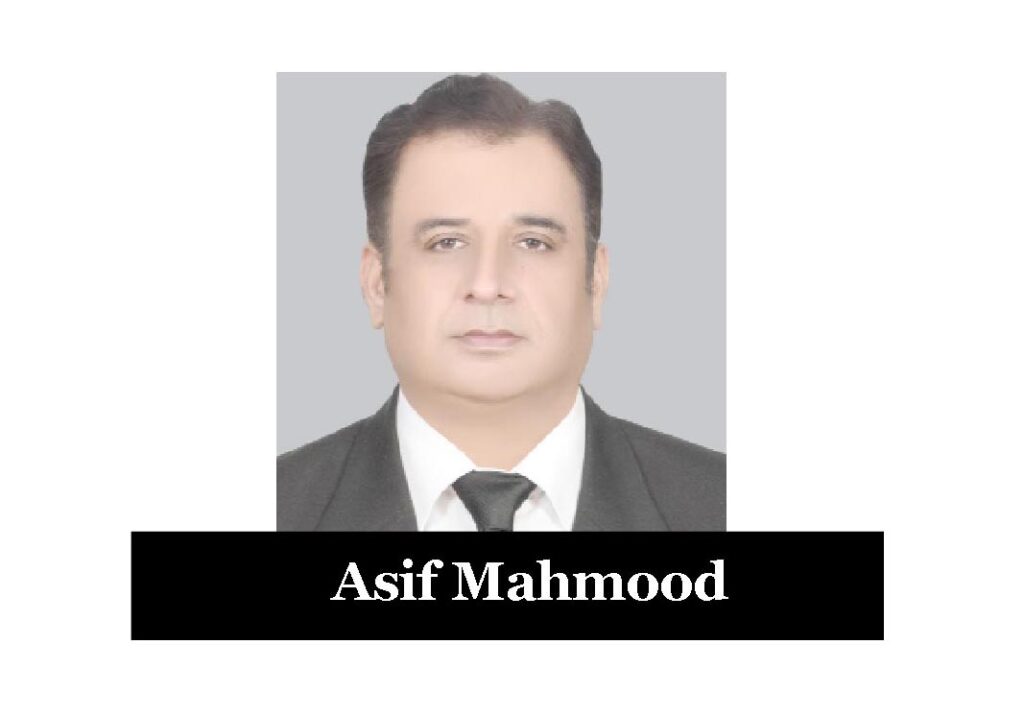
Asif mahmood

Balochistan stands at a moment that demands clarity rather than confusion. The state has every right to crush terrorism without hesitation. Armed groups that attack civilians, sabotage infrastructure, and challenge the writ of the federation cannot be tolerated. There should be no ambiguity about this. Violence must be confronted with firmness. Militants who pick up the gun must face the full force of the law.

But strength against terrorists must not translate into distance from the people.

The problems of Balochistan are real. Economic deprivation, underdevelopment, political mistrust, and weak service delivery are not imaginary grievances. They deserve serious engagement. However, there is a dangerous line that must be clearly drawn. Raising legitimate demands for rights is one thing. Declaring the state a “foreign occupier” is another. When political disagreement turns into a narrative of occupation, it does not empower the youth. It pushes them toward confrontation. Difference of opinion is a democratic right. Hatred and recruitment into violence are a threat.

If we genuinely want recruitment into militant groups to decline, we must offer young people a credible alternative path. No counterterrorism strategy can succeed if the only message a young man hears is security focused. He must see education opportunities, skill development, employment pathways, and physical security for his family. He must feel that his future lies in participation, not rebellion.

Militant organizations do not recruit in a vacuum. They recruit where frustration meets propaganda. They feed on resentment. They amplify half truths. They exploit every administrative failure and convert it into a narrative of permanent injustice. When falsehood becomes strong, even genuine achievements begin to look suspicious. Development projects are dismissed as exploitation. Security measures are portrayed as oppression. Silence from the state allows distortion to flourish.

That is why the challenge in Balochistan is not only economic. It is also narrative.

Restoring trust requires both truth and action. The state must communicate honestly, acknowledge shortcomings where they exist, and demonstrate measurable improvement in governance. Transparency in resource distribution, merit based hiring in local projects, fair access to education, and visible inclusion of Baloch youth in national institutions can gradually close the trust deficit. At the same time, misinformation must be countered firmly and intelligently. A vacuum of facts will always be filled by those who thrive on anger.

A dual track strategy is essential. On one side, justice and development. On the other, a direct response to distorted narratives. If these two efforts do not move together, the cycle of extremism will continue. Security operations may dismantle networks temporarily, but new recruits will emerge from the same pool of alienation.

Balochistan therefore needs both resolve and reconciliation. Crush the terrorists decisively. But reach the ordinary citizen with sincerity. Engage the youth as stakeholders. Provide them not only with roads and ports, but with dignity, opportunity, and truth.

Leave a Reply

Your email address will not be published. Required fields are marked *

Crush Terror but Heal Baluchistan

Link copied!

Asif mahmood

Balochistan stands at a moment that demands clarity rather than confusion. The state has every right to crush terrorism without hesitation. Armed groups that attack civilians, sabotage infrastructure, and challenge the writ of the federation cannot be tolerated. There should be no ambiguity about this. Violence must be confronted with firmness. Militants who pick up the gun must face the full force of the law.

But strength against terrorists must not translate into distance from the people.

The problems of Balochistan are real. Economic deprivation, underdevelopment, political mistrust, and weak service delivery are not imaginary grievances. They deserve serious engagement. However, there is a dangerous line that must be clearly drawn. Raising legitimate demands for rights is one thing. Declaring the state a “foreign occupier” is another. When political disagreement turns into a narrative of occupation, it does not empower the youth. It pushes them toward confrontation. Difference of opinion is a democratic right. Hatred and recruitment into violence are a threat.

If we genuinely want recruitment into militant groups to decline, we must offer young people a credible alternative path. No counterterrorism strategy can succeed if the only message a young man hears is security focused. He must see education opportunities, skill development, employment pathways, and physical security for his family. He must feel that his future lies in participation, not rebellion.

Militant organizations do not recruit in a vacuum. They recruit where frustration meets propaganda. They feed on resentment. They amplify half truths. They exploit every administrative failure and convert it into a narrative of permanent injustice. When falsehood becomes strong, even genuine achievements begin to look suspicious. Development projects are dismissed as exploitation. Security measures are portrayed as oppression. Silence from the state allows distortion to flourish.

That is why the challenge in Balochistan is not only economic. It is also narrative.

Restoring trust requires both truth and action. The state must communicate honestly, acknowledge shortcomings where they exist, and demonstrate measurable improvement in governance. Transparency in resource distribution, merit based hiring in local projects, fair access to education, and visible inclusion of Baloch youth in national institutions can gradually close the trust deficit. At the same time, misinformation must be countered firmly and intelligently. A vacuum of facts will always be filled by those who thrive on anger.

A dual track strategy is essential. On one side, justice and development. On the other, a direct response to distorted narratives. If these two efforts do not move together, the cycle of extremism will continue. Security operations may dismantle networks temporarily, but new recruits will emerge from the same pool of alienation.

Balochistan therefore needs both resolve and reconciliation. Crush the terrorists decisively. But reach the ordinary citizen with sincerity. Engage the youth as stakeholders. Provide them not only with roads and ports, but with dignity, opportunity, and truth.

Leave a Reply

Your email address will not be published. Required fields are marked *