Daily The Patriot

Court policy approved to resolve property and murder cases within 24 months, money disputes within 12 months

Link copied!

ISLAMABAD: The National Judicial Policy Making Committee has approved the time frame for disposal of cases, property disputes 24 months, inheritance, public revenue and money disputes 12 months, criminal cases of minors 6 months, and the duration of criminal trial for disposal of murder cases has been fixed at 24 months.

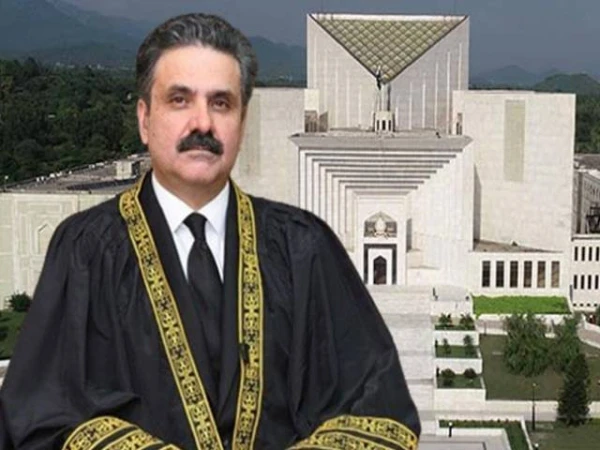
A meeting of the National Judicial Policy Making Committee was held under the chairmanship of Chief Justice of Pakistan Yahya Afridi. The meeting was attended by the Chief Justices of all High Courts and Attorney General Mansoor Usman Awan.

According to the meeting announcement, it was unanimously decided in the meeting that a comprehensive mechanism is needed so that the detained person can be presented before the magistrate within 24 hours. The Attorney General assured that such a comprehensive mechanism will be made and presented in the next meeting.

The meeting appreciated this effort of the Attorney General, and the committee reviewed the SOPs regarding external interference in judicial affairs.

The announcement said that external interference should be reported within 24 hours and action should be taken on it within 14 days, the dignity of the complaining judge should be protected in the SOPs, the High Courts should notify and share the SOPs.

It was informed that the Commercial Litigation Framework was formed under the chairmanship of Justice Muhammad Shafi Siddiqui, Judge Supreme Court, the committee included Justice Abid Aziz Sheikh, Judge Lahore High Court, Justice Agha Faisal High Court Judge Sindh, and Justice Arshad Ali, High Court Judge Peshawar.

According to the announcement, the committee also included the Attorney General and Chairman FBR. Appreciating the commendable efforts of the High Courts, the committee has set a uniform period for decisions on different types of cases, and the timeline set is approved.

According to the announcement, the timeline was set to resolve property disputes within 24 months, inherited property disputes within 12 months, and disputes related to public revenue and funds within 12 months.

The period for disposal of tenancy cases, family claim cases has been fixed at 6 months, a period of 12 months has been fixed for disposal of banking court degree cases, a period of 6 months has been fixed for disposal of criminal cases on crimes committed by minors, a timeline for disposal of cases of criminal trials for a sentence of up to seven years has been fixed at 12 months, while a timeline of 18 months has been fixed for sentences of more than seven years, a period of 24 months for disposal of criminal trials for disposal of murder cases, a period of 6 months for disposal of labor cases. It has also been said that the performance of judges can be reviewed through the timeline.

The meeting expressed the desire to establish a forum for redressal of public complaints in High Courts and District Courts. The announcement said that if the High Courts wish, they can target cases for hearing by setting up model courts for each district, District and Sessions Judges can be given cases under the time-bound trial regime in model civil courts, the sub-committees of provincial prison reforms should share their reports with the High Courts, and a national prison policy will be formulated in the next meeting.

The Attorney General assured that the issue of delay in the return of judicial officers posted in special courts and tribunals will be looked at realistically.

The Attorney General assured that the High Courts will be facilitated in the appointment of audit officers through coordination with the Accountant Generals of the provinces so that internal audits can be conducted.

It was decided in the meeting that under the Narcotics Control Act 1997 and relevant provincial laws, cases whose appeals are to be heard before a two-member bench, bail applications will also be heard in all such cases.

The Chief Justice of the Lahore High Court assured that the condition of biometric verification at the time of registration of cases will be implemented and its progress will be presented in the next meeting of the committee. The next meeting of the National Judicial Policy-Making Committee will be held on October 16, 2025.

Leave a Reply

Your email address will not be published. Required fields are marked *

Court policy approved to resolve property and murder cases within 24 months, money disputes within 12 months

Link copied!

ISLAMABAD: The National Judicial Policy Making Committee has approved the time frame for disposal of cases, property disputes 24 months, inheritance, public revenue and money disputes 12 months, criminal cases of minors 6 months, and the duration of criminal trial for disposal of murder cases has been fixed at 24 months.

A meeting of the National Judicial Policy Making Committee was held under the chairmanship of Chief Justice of Pakistan Yahya Afridi. The meeting was attended by the Chief Justices of all High Courts and Attorney General Mansoor Usman Awan.

According to the meeting announcement, it was unanimously decided in the meeting that a comprehensive mechanism is needed so that the detained person can be presented before the magistrate within 24 hours. The Attorney General assured that such a comprehensive mechanism will be made and presented in the next meeting.

The meeting appreciated this effort of the Attorney General, and the committee reviewed the SOPs regarding external interference in judicial affairs.

The announcement said that external interference should be reported within 24 hours and action should be taken on it within 14 days, the dignity of the complaining judge should be protected in the SOPs, the High Courts should notify and share the SOPs.

It was informed that the Commercial Litigation Framework was formed under the chairmanship of Justice Muhammad Shafi Siddiqui, Judge Supreme Court, the committee included Justice Abid Aziz Sheikh, Judge Lahore High Court, Justice Agha Faisal High Court Judge Sindh, and Justice Arshad Ali, High Court Judge Peshawar.

According to the announcement, the committee also included the Attorney General and Chairman FBR. Appreciating the commendable efforts of the High Courts, the committee has set a uniform period for decisions on different types of cases, and the timeline set is approved.

According to the announcement, the timeline was set to resolve property disputes within 24 months, inherited property disputes within 12 months, and disputes related to public revenue and funds within 12 months.

The period for disposal of tenancy cases, family claim cases has been fixed at 6 months, a period of 12 months has been fixed for disposal of banking court degree cases, a period of 6 months has been fixed for disposal of criminal cases on crimes committed by minors, a timeline for disposal of cases of criminal trials for a sentence of up to seven years has been fixed at 12 months, while a timeline of 18 months has been fixed for sentences of more than seven years, a period of 24 months for disposal of criminal trials for disposal of murder cases, a period of 6 months for disposal of labor cases. It has also been said that the performance of judges can be reviewed through the timeline.

The meeting expressed the desire to establish a forum for redressal of public complaints in High Courts and District Courts. The announcement said that if the High Courts wish, they can target cases for hearing by setting up model courts for each district, District and Sessions Judges can be given cases under the time-bound trial regime in model civil courts, the sub-committees of provincial prison reforms should share their reports with the High Courts, and a national prison policy will be formulated in the next meeting.

The Attorney General assured that the issue of delay in the return of judicial officers posted in special courts and tribunals will be looked at realistically.

The Attorney General assured that the High Courts will be facilitated in the appointment of audit officers through coordination with the Accountant Generals of the provinces so that internal audits can be conducted.

It was decided in the meeting that under the Narcotics Control Act 1997 and relevant provincial laws, cases whose appeals are to be heard before a two-member bench, bail applications will also be heard in all such cases.

The Chief Justice of the Lahore High Court assured that the condition of biometric verification at the time of registration of cases will be implemented and its progress will be presented in the next meeting of the committee. The next meeting of the National Judicial Policy-Making Committee will be held on October 16, 2025.

Leave a Reply

Your email address will not be published. Required fields are marked *