


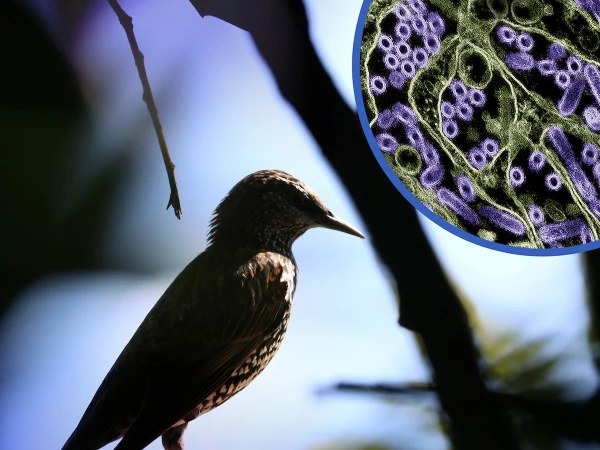
Authorities have tightened surveillance after the first case of the deadly H5 bird flu virus was detected in New Zealand.
According to local media, the H5 virus has been confirmed in a seabird called a brown skua found dead on Patong Beach in the capital Wellington.
New Zealand’s Minister for Biosecurity and Food Safety Andrew Hoggard said the virus was found in a seabird and there is currently no evidence of mass deaths or spread of the virus in wild birds. He clarified that the presence of the virus in poultry farms has not been detected so far.
This development comes after the confirmation of H5 bird flu in Australia last month, after which New Zealand also became the latest country in the region to be affected by this dangerous virus.
Minister Andrew Hoggard said the risk to the general public from H5 bird flu is very low because the virus rarely infects humans and requires direct, close and prolonged contact with sick birds. He assured the public that eggs and poultry are safe to eat.
Officials have instructed citizens not to touch sick or dead birds and to immediately report to the relevant authorities if three or more infected birds are seen in one place.
Meanwhile, New Zealand’s Department of Environmental Conservation has begun vaccinating 300 breeding birds of the country’s rarest species, including kakapo and takahe, as a precautionary measure to ensure their protection from a potential outbreak.
According to experts, H5 bird flu has been spreading among wild birds and mammals around the world since 2021, resulting in the death of millions of animals, while several poultry and dairy farms have also been affected, and the virus has been confirmed in some farm workers.