


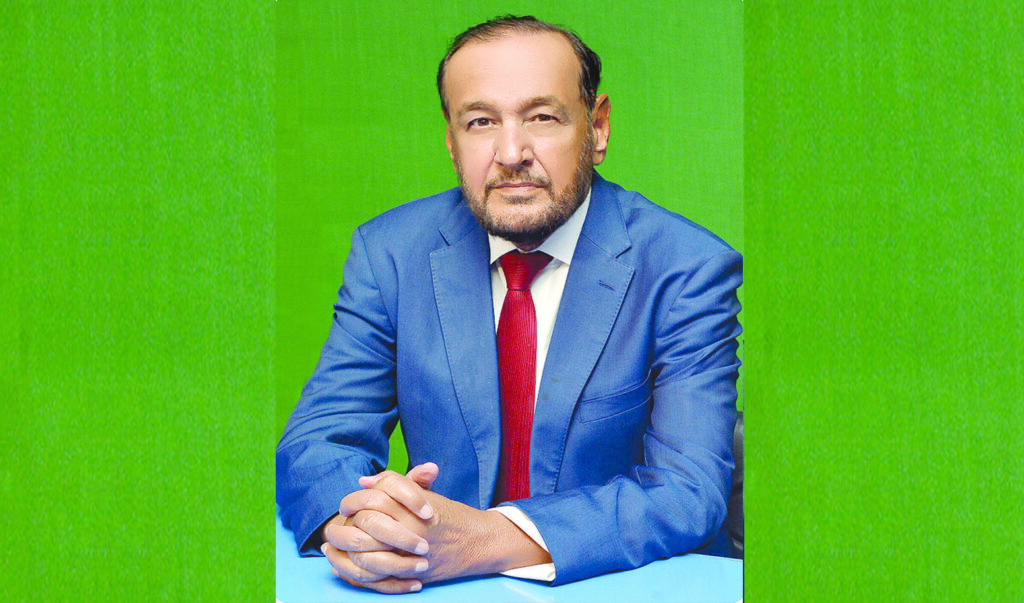
By Sardar Khan Niazi
Pakistan must learn from every infection if it hopes to bring the virus under control. The eighth polio case of 2026, involving a 13-month-old girl from Khyber’s Bara tehsil, is more than another addition to Pakistan’s annual tally. It is a reminder that despite years of vaccination campaigns, considerable public expenditure and repeated assurances of progress, the poliovirus continues to find children who remain beyond the reach of protection. The question confronting Pakistan’s eradication program is no longer simply how many children have been vaccinated, but how much the system learns from every child who becomes infected. The geographical pattern of this year’s cases demands particular attention. Six of the eight infections have emerged in Khyber Pakhtunkhwa, while environmental surveillance continues to detect the virus in sewage samples from the Peshawar-Khyber corridor. These findings suggest that transmission remains active in areas where vaccination efforts must contend with population movement, difficult terrain, security challenges and gaps in routine immunization. They also indicate that the problem cannot be addressed through periodic nationwide campaigns alone. Polio eradication is fundamentally a question of reaching every child, particularly those living in communities that are repeatedly missed. Yet vaccination coverage figures, however encouraging they may appear, can conceal pockets of vulnerability. A campaign may report millions of administered doses without necessarily establishing whether children in high-risk settlements have received the required number of vaccinations. Children who are frequently on the move, live in underserved communities or have limited access to basic healthcare are especially vulnerable. This is where the program’s approach needs closer scrutiny. Every reported polio case should trigger a detailed investigation into the circumstances of infection. Was the child repeatedly missed during vaccination campaigns? Were there refusals in the household or surrounding community? Did the family move between settlements? Were vaccination teams unable to access the area? Were routine immunization services available and functioning? Without answers to these questions, the program risks treating each infection as an isolated incident rather than an opportunity to identify and correct systemic weaknesses. Community trust is equally important. In parts of Khyber Pakhtunkhwa, concerns about vaccination, misinformation and resistance have complicated eradication efforts. These challenges cannot be overcome by treating communities merely as recipients of official instructions. Local elders, religious scholars, teachers and trusted health workers must be involved in sustained engagement. Parents are more likely to cooperate when their concerns are heard, their questions are answered and vaccination services are delivered consistently. The responsibility, however, does not rest with communities alone. Vaccination teams need adequate training, security, supervision and logistical support. Frontline workers often operate in difficult circumstances and should not become convenient scapegoats for failures that may originate higher up the administrative chain. Ultimately, the eighth case should prompt an uncomfortable but necessary examination of institutional learning. How many children have been missed repeatedly? How many environmental warnings have failed to translate into timely interventions? How effectively are vaccination records, surveillance findings and field investigations being brought together? And, most importantly, what changes after an infection is detected? Pakistan has invested considerable resources and years of effort in its fight against polio. Yet the persistence of transmission demonstrates that the success of eradication cannot be measured by the number of campaigns conducted, doses administered or official commitments announced. It must be measured by whether the virus is prevented from reaching another child. The 13-month-old girl from Bara should not become another statistic in an annual report. Her infection must lead to answers, accountability and corrective action. Until every case produces a measurable improvement in the system, Pakistan will continue to count infections that its eradication program should have prevented.