Daily The Patriot

PTI’s 13-Year Rule: What Did KP Get?

Link copied!

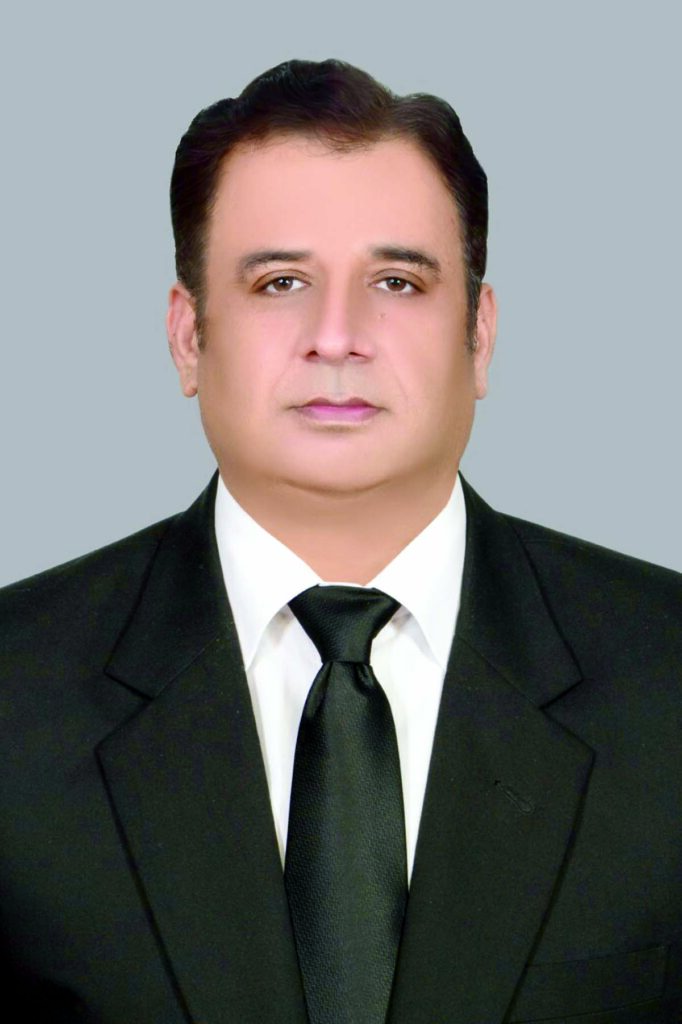
Asif Mahmood

From 2010 to November 2025, the federal government has transferred Rs6,572 billion to the Khyber Pakhtunkhwa government under the NFC Award. Of these 15 years, 13 have been years of Pakistan Tehreek-e-Insaf rule. Can PTI be asked where this money went?

Thirteen years is not a trivial period that can be concealed through the usual theatrics of post-truth politics. It is a full record of performance, and it amounts to an indictment. PTI will have to answer for it.

Since they are considered highly educated and known for their reading habits, let us begin with education. Let us set aside the figures provided by the federal government, because PTI might dismiss them as coming from political rivals. Let us turn instead to the United Nations. UNICEF says that in KP, 4.5 million children between the ages of 10 and 15 are out of school.

Can Mr Sohail Afridi, one of Imran Khan’s most devoted followers, be asked what plan he has for these children? Are they simply to grow up and become fodder for another blind long march, or is there any plan under consideration for securing their future?

Let us leave the United Nations aside as well. Heaven knows, this caravan of revolution might even declare that global body a patwari office. Let us look at last year’s report of KP’s own Education Department. According to the report, 591 government schools across the province, including Peshawar and the merged tribal districts, are non-functional. Seventy-four per cent of them are girls’ schools. Forty schools have no students at all, while 13 have neither students nor teachers. Some schools have been swallowed up by land mafias, while others have been occupied by influential individuals.

Can someone ask the Chief Minister, who is so fond of appearing on the roads of other provinces behind dark glasses, whether there has been any improvement in this situation over the past year and what exactly his education policy is?

The MDCAT is among the most important components of our examination system. In KP, even this was turned into a spectacle. In 2023, organised cheating took place through electronic devices. More than 200 candidates were caught cheating. How many escaped detection is anyone’s guess.

Let us leave aside the deadly rumours and controversies surrounding the MDCAT in KP. By 2024, the matter had reached the National Assembly’s Standing Committee. Yet there was hardly any sense of shame or accountability.

Health cards were celebrated with such grand rhetoric that one would have thought KP had won the World Cup in the field of medicine. But read the Auditor General’s report and the picture becomes rather different. More astonishingly, there were plenty of audit claims, but no third-party verification mechanism existed to verify them.

The scale of administrative confusion was such that 69 hospitals were on the panel for nearly seven million families in Peshawar, Swat and Malakand, while nearly 800,000 families in Kurram, North Waziristan, Torghar and Orakzai had not a single hospital on the panel. Sixty-nine per cent of patients went to private hospitals. There was no adequate mechanism to ensure transparency regarding what treatment was actually provided and what was recorded on paper. Payments were even made to hospitals that were not on the panel.

Read the figures and one is tempted to hold one’s head in despair: health cards and related schemes produced financial irregularities amounting to more than Rs28 billion in just three years. Two private hospitals in Swat were each paid more than Rs1 billion. External audits of medical teaching institutions are not being allowed.

PTI constantly turns other provinces, particularly Punjab, into objects of condemnation. But can it tell us in which sector its performance has been better than Punjab’s?

According to a Gallup survey conducted across KP’s seven divisions, 74 per cent of respondents said they lacked access to clean drinking water and educational facilities. Thirty-seven per cent said they lacked adequate healthcare facilities. Sixty-six per cent said their homes had no gas. Forty-nine per cent said their electricity supply was either inadequate or non-existent.

According to the survey, 60 per cent said the government was wasting its time on protests and sit-ins instead of focusing on good governance. Interestingly, 48 per cent of PTI voters expressed the same view. As many as 49 per cent of PTI supporters also said that no development work had been carried out in their constituencies.

PTI has, as a matter of strategy, ensured that its own performance never becomes the subject of serious public debate. Its workers have been systematically filled with anger, hatred and venom so that they remain occupied with condemning the shortcomings of others and abusing PTI’s critics. They should never be encouraged to question the performance of their own government.

The strategy has worked.

Consequently, PTI’s performance is nowhere under serious discussion. It can preside over complete devastation and still retain its aura of credibility. It survives almost entirely on the shortcomings of others. Even after 13 years in power, it remains largely unaccountable.

It can refuse to account for Rs6,000 billion and still present itself as virtuous, pure and saintly, while everyone else is branded a thief, a scoundrel and a traitor.

Leave a Reply

Your email address will not be published. Required fields are marked *

PTI’s 13-Year Rule: What Did KP Get?

Link copied!

Asif Mahmood

From 2010 to November 2025, the federal government has transferred Rs6,572 billion to the Khyber Pakhtunkhwa government under the NFC Award. Of these 15 years, 13 have been years of Pakistan Tehreek-e-Insaf rule. Can PTI be asked where this money went?

Thirteen years is not a trivial period that can be concealed through the usual theatrics of post-truth politics. It is a full record of performance, and it amounts to an indictment. PTI will have to answer for it.

Since they are considered highly educated and known for their reading habits, let us begin with education. Let us set aside the figures provided by the federal government, because PTI might dismiss them as coming from political rivals. Let us turn instead to the United Nations. UNICEF says that in KP, 4.5 million children between the ages of 10 and 15 are out of school.

Can Mr Sohail Afridi, one of Imran Khan’s most devoted followers, be asked what plan he has for these children? Are they simply to grow up and become fodder for another blind long march, or is there any plan under consideration for securing their future?

Let us leave the United Nations aside as well. Heaven knows, this caravan of revolution might even declare that global body a patwari office. Let us look at last year’s report of KP’s own Education Department. According to the report, 591 government schools across the province, including Peshawar and the merged tribal districts, are non-functional. Seventy-four per cent of them are girls’ schools. Forty schools have no students at all, while 13 have neither students nor teachers. Some schools have been swallowed up by land mafias, while others have been occupied by influential individuals.

Can someone ask the Chief Minister, who is so fond of appearing on the roads of other provinces behind dark glasses, whether there has been any improvement in this situation over the past year and what exactly his education policy is?

The MDCAT is among the most important components of our examination system. In KP, even this was turned into a spectacle. In 2023, organised cheating took place through electronic devices. More than 200 candidates were caught cheating. How many escaped detection is anyone’s guess.

Let us leave aside the deadly rumours and controversies surrounding the MDCAT in KP. By 2024, the matter had reached the National Assembly’s Standing Committee. Yet there was hardly any sense of shame or accountability.

Health cards were celebrated with such grand rhetoric that one would have thought KP had won the World Cup in the field of medicine. But read the Auditor General’s report and the picture becomes rather different. More astonishingly, there were plenty of audit claims, but no third-party verification mechanism existed to verify them.

The scale of administrative confusion was such that 69 hospitals were on the panel for nearly seven million families in Peshawar, Swat and Malakand, while nearly 800,000 families in Kurram, North Waziristan, Torghar and Orakzai had not a single hospital on the panel. Sixty-nine per cent of patients went to private hospitals. There was no adequate mechanism to ensure transparency regarding what treatment was actually provided and what was recorded on paper. Payments were even made to hospitals that were not on the panel.

Read the figures and one is tempted to hold one’s head in despair: health cards and related schemes produced financial irregularities amounting to more than Rs28 billion in just three years. Two private hospitals in Swat were each paid more than Rs1 billion. External audits of medical teaching institutions are not being allowed.

PTI constantly turns other provinces, particularly Punjab, into objects of condemnation. But can it tell us in which sector its performance has been better than Punjab’s?

According to a Gallup survey conducted across KP’s seven divisions, 74 per cent of respondents said they lacked access to clean drinking water and educational facilities. Thirty-seven per cent said they lacked adequate healthcare facilities. Sixty-six per cent said their homes had no gas. Forty-nine per cent said their electricity supply was either inadequate or non-existent.

According to the survey, 60 per cent said the government was wasting its time on protests and sit-ins instead of focusing on good governance. Interestingly, 48 per cent of PTI voters expressed the same view. As many as 49 per cent of PTI supporters also said that no development work had been carried out in their constituencies.

PTI has, as a matter of strategy, ensured that its own performance never becomes the subject of serious public debate. Its workers have been systematically filled with anger, hatred and venom so that they remain occupied with condemning the shortcomings of others and abusing PTI’s critics. They should never be encouraged to question the performance of their own government.

The strategy has worked.

Consequently, PTI’s performance is nowhere under serious discussion. It can preside over complete devastation and still retain its aura of credibility. It survives almost entirely on the shortcomings of others. Even after 13 years in power, it remains largely unaccountable.

It can refuse to account for Rs6,000 billion and still present itself as virtuous, pure and saintly, while everyone else is branded a thief, a scoundrel and a traitor.

Leave a Reply

Your email address will not be published. Required fields are marked *