


Plant-based diets can benefit various aspects of human health, especially the digestive system, immune system, metabolism and cardiovascular health. New scientific research has made further progress in understanding how plant-based diets affect the bacteria in the gut and the body’s metabolism.
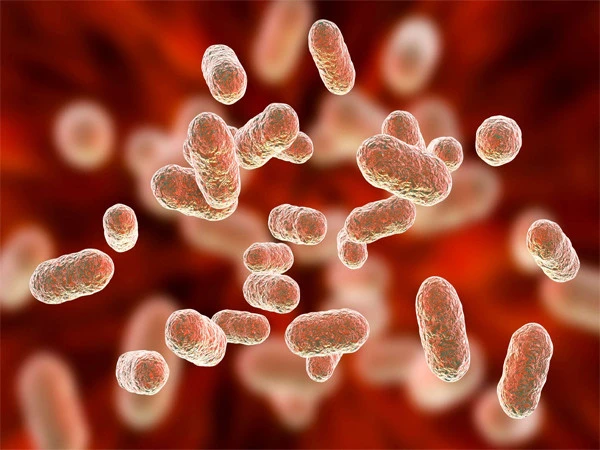
According to research, a key role in the benefits of plant-based diets is the diverse population of bacteria in the gut. Scientists have long known that dietary fiber plays an important role in these benefits because gut bacteria break down fiber to produce various compounds.
Colorful chemical compounds found in plants, called phytochemicals, may also affect human health. These compounds protect plants from environmental hazards and can also have various biological effects in the human body.
Two studies led by Ludwig Princeton associate Gina Abu Salem and director Joshua Rabinowitz provide new insights into this process. One study was published in the Proceedings of the National Academy of Sciences, while the other was published in Nature Metabolism.
The first study found that plant-based fiber and certain plant proteins can alter the metabolism of gut bacteria. This change can result in an increase in the amount of some beneficial metabolites while a decrease in harmful compounds.
The second study revealed that several important metabolites that are usually thought to be produced by gut bacteria can actually be produced in significant quantities in mammals.
According to study co-author Joshua Rabinowitz, there is growing interest in using the human microbiome and the metabolic compounds it produces for therapeutic purposes. However, to develop effective medical treatments, it is important to understand which dietary components control the specific activities of gut bacteria and the compounds they produce.
According to experts, the new research could help in the future to develop dietary strategies and treatments that can more effectively influence the gut microbiome and the beneficial metabolites produced in the body.