Daily The Patriot

Why the risk of stroke can increase in monsoon? Experts tell important precautions

Link copied!

While the rainy season makes the weather pleasant by providing relief from the intense heat, it also requires extra precautions for some people regarding their health.

According to health experts, sudden changes in weather during the monsoon, increased humidity in the air and the risk of various infections can be a cause of concern, especially for those who already suffer from high blood pressure, diabetes, high cholesterol or heart diseases.

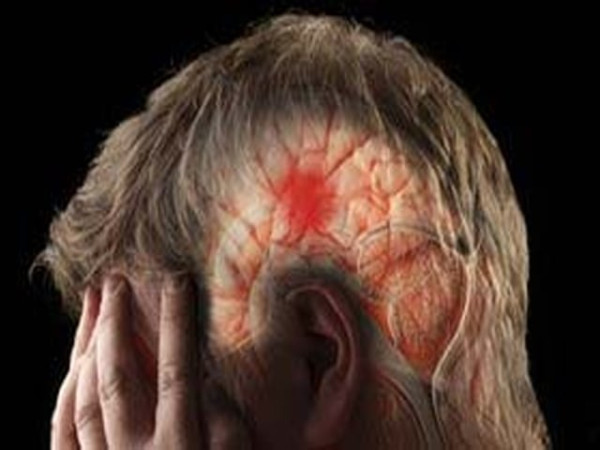
Neurology experts say that constant changes in temperature and humidity during the rainy season can affect the body’s natural systems, as a result of which the blood pressure of some people becomes unbalanced. According to experts, this situation can increase the risk of stroke in people suffering from blood vessel problems.

According to health experts, problems such as viral infections, colds, coughs, gastrointestinal disorders and dehydration also become common during the monsoon. All these factors can increase the stress on the body, which can make it difficult to control blood sugar and blood pressure.

Experts say that changes in lifestyle, reduced physical activity, disrupted sleep patterns and carelessness in the use of medicines during the rainy season can also increase health risks.

Remember the ‘BE FAST’ rule to recognize the symptoms of stroke

According to doctors, stroke can occur in any season, so awareness of its early symptoms is very important. Experts advise the public to remember the ‘BE FAST’ rule so that immediate steps can be taken in an emergency.

According to this rule, if a person suddenly starts to lose physical balance, experiences a change in vision, a part of the face droops, weakness develops in an arm or leg, or has difficulty speaking, then immediate medical attention should be sought.

In ‘BEFAST’:

B (B) — Sudden loss of balance

E (E) — Change in vision

F (F) — Drooping of the face on one side

A (A) — Weakness in the arm or leg

S (S) — Difficulty speaking

T (T) — Time to seek immediate medical help

According to experts, timely treatment in case of stroke not only helps save lives but can also reduce the chances of permanent disability.

Health experts say that high-risk people should regularly monitor their blood pressure and blood sugar, use the medicines prescribed by the doctor on time and include physical activity in their daily lives.

According to experts, a balanced diet, low salt intake, avoiding smoking and drinking adequate amounts of water also play an important role in reducing the risk of stroke.

Health experts clarify that the monsoon itself is not a dangerous season, but ignoring the diseases that are already present is the real cause of the risk. If blood pressure, diabetes, cholesterol, and heart disease are kept under constant control and a healthy lifestyle is adopted, the chances of many serious complications, including stroke, can be reduced.

Leave a Reply

Your email address will not be published. Required fields are marked *

Why the risk of stroke can increase in monsoon? Experts tell important precautions

Link copied!

While the rainy season makes the weather pleasant by providing relief from the intense heat, it also requires extra precautions for some people regarding their health.

According to health experts, sudden changes in weather during the monsoon, increased humidity in the air and the risk of various infections can be a cause of concern, especially for those who already suffer from high blood pressure, diabetes, high cholesterol or heart diseases.

Neurology experts say that constant changes in temperature and humidity during the rainy season can affect the body’s natural systems, as a result of which the blood pressure of some people becomes unbalanced. According to experts, this situation can increase the risk of stroke in people suffering from blood vessel problems.

According to health experts, problems such as viral infections, colds, coughs, gastrointestinal disorders and dehydration also become common during the monsoon. All these factors can increase the stress on the body, which can make it difficult to control blood sugar and blood pressure.

Experts say that changes in lifestyle, reduced physical activity, disrupted sleep patterns and carelessness in the use of medicines during the rainy season can also increase health risks.

Remember the ‘BE FAST’ rule to recognize the symptoms of stroke

According to doctors, stroke can occur in any season, so awareness of its early symptoms is very important. Experts advise the public to remember the ‘BE FAST’ rule so that immediate steps can be taken in an emergency.

According to this rule, if a person suddenly starts to lose physical balance, experiences a change in vision, a part of the face droops, weakness develops in an arm or leg, or has difficulty speaking, then immediate medical attention should be sought.

In ‘BEFAST’:

B (B) — Sudden loss of balance

E (E) — Change in vision

F (F) — Drooping of the face on one side

A (A) — Weakness in the arm or leg

S (S) — Difficulty speaking

T (T) — Time to seek immediate medical help

According to experts, timely treatment in case of stroke not only helps save lives but can also reduce the chances of permanent disability.

Health experts say that high-risk people should regularly monitor their blood pressure and blood sugar, use the medicines prescribed by the doctor on time and include physical activity in their daily lives.

According to experts, a balanced diet, low salt intake, avoiding smoking and drinking adequate amounts of water also play an important role in reducing the risk of stroke.

Health experts clarify that the monsoon itself is not a dangerous season, but ignoring the diseases that are already present is the real cause of the risk. If blood pressure, diabetes, cholesterol, and heart disease are kept under constant control and a healthy lifestyle is adopted, the chances of many serious complications, including stroke, can be reduced.

Leave a Reply

Your email address will not be published. Required fields are marked *