Daily The Patriot

Beyond GSP+: The Politics of Human Rights

Link copied!

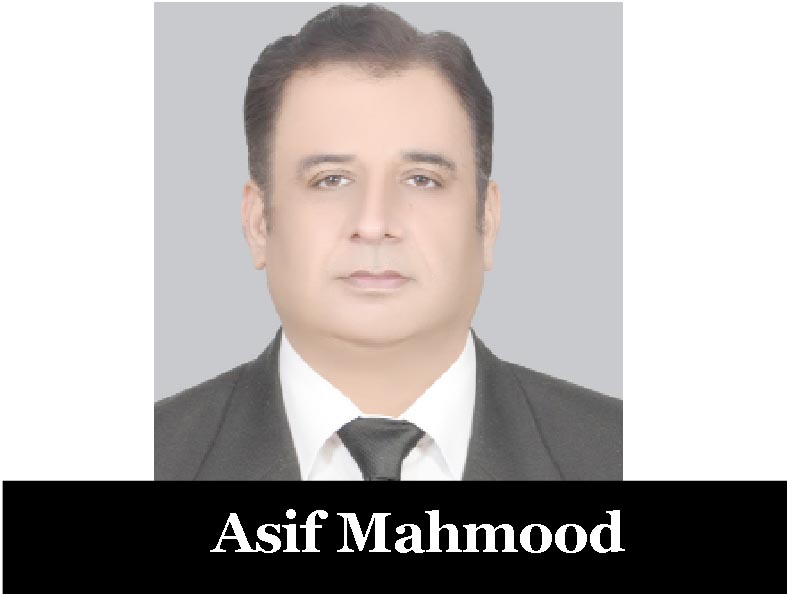
Asif Mahmood

The European Commission’s report on GSP+ raises an important question: has Europe weaponized the concept of human rights, particularly minority rights, so that it can deploy this instrument whenever and against whomever it chooses?

The world now needs to think a little more of the box. Who has given Europe the authority to police the rest of the world according to its own understanding of rights and freedoms? What does Europe’s own record look like? What has it contributed to the world? What role has it played in many of the world’s conflicts? How inclusive are its own societies, particularly toward Muslims and other religious communities? Who has empowered Europe to act simultaneously as prosecutor, witness, judge, and jury in matters concerning the rest of the world?

The European Commission’s latest report on GSP+ once again repeats the familiar narrative regarding Pakistan. Under the banners of minority rights, religious freedom, and human rights, Pakistan has once again been placed in the dock. It increasingly appears that Muslim-majority countries, particularly Pakistan, have become permanent targets of such reports. Every few years, a new report is published, drawing heavily on the narratives of a handful of NGOs, elevating them into unquestionable global truths, and then using them to demand explanations from Pakistan.

By now, this pattern is well understood. NGOs are established, funded, and assigned specific agendas. Reports are then prepared in line with those agendas, and those very reports become the basis for exerting political and economic pressure on countries like Pakistan.

A fundamental question deserves serious consideration: is Europe’s interpretation of human rights the only legitimate one? Do human beings not live in Asia, Africa, and the Muslim world? Do other civilizations not possess the right to organize their societies according to their own historical experiences, cultural values, and social structures? Must the entire world see through Europe’s eyes, think through Europe’s mind, and measure itself against Europe’s standards? If that is the expectation, then this is not the universalization of human rights; it is the universalization of cultural hegemony.

Those who prosecute Pakistan over minority rights should also look into their own mirror. Although 97 percent of Pakistan’s population is Muslim, the country has 2,189 churches, amounting to one church for every 1,206 Christians. There are 732 Hindu temples, one for every 5,669 Hindus, and 58 gurdwaras, equivalent to one for every 159 Sikhs. In contrast, the United Kingdom has only one mosque for every 2,249 Muslims. Do these figures not raise legitimate questions?

Europe’s own record also deserves scrutiny. France banned conspicuous religious symbols, including the hijab, in public schools in 2004. In 2011, it prohibited the wearing of the face veil in public, and in 2023, it extended restrictions to the abaya in public schools. Belgium, Denmark, Austria, Switzerland, and the Netherlands have also imposed restrictions on face-covering garments. If a Muslim woman is not free to dress in accordance with her religious beliefs, then who is truly in a position to lecture others about religious freedom?

Nor is this merely a question of dress. Incidents involving the desecration of the Holy Qur’an, attacks on mosques, anti-Muslim hate crimes, and the rise of Islamophobia have become acknowledged challenges within Europe itself. The European Union Agency for Fundamental Rights (FRA), United Nations experts, and numerous international human rights organizations have repeatedly warned of increasing discrimination and hostility against Muslims across Europe. Yet when Europe presents itself as the global arbiter of human rights while overlooking these realities, questions about its double standards naturally arise.

Europe’s record on Palestine and migration is equally open to criticism. Thousands of migrants have lost their lives in the Mediterranean, border policies have grown increasingly restrictive, refugees have often been subjected to unequal treatment, and the application of human rights principles in relation to Gaza has appeared inconsistent. If human rights are truly universal, then they must be applied equally to all, not selectively against those countries that happen to be the targets of political or economic pressure.

The latest GSP+ report claims to evaluate Pakistan’s compliance with 27 international conventions. But are those same conventions applied with equal vigor when addressing Islamophobia, anti-Muslim discrimination, restrictions on Islamic identity, and religious intolerance within Europe itself? Or are principles ultimately subordinate to power?

Another aspect also deserves attention. Reports of this nature frequently rely on information supplied by non-governmental organizations. Critics have consistently questioned whether isolated incidents are sometimes magnified while positive developments, legal reforms, constitutional safeguards, and institutional progress receive comparatively little attention. If accountability is genuinely impartial, why does it so often appear selective?

Pakistan may well have shortcomings in certain areas, and addressing them remains the constitutional and moral responsibility of the state. At the same time, Pakistan has every right to question double standards. A Europe that ruled over Asia, Africa, and Latin America for centuries through colonial domination, exploited their resources, drew political boundaries to serve its own interests, and continues to exercise influence through its economic and diplomatic leverage cannot reasonably expect to be accepted without question as the sole moral authority on human rights.

Respect for human rights is an obligation upon all nations. But before demanding compliance from others, it must first be recognized that human rights do not belong to any single civilization. They are the shared moral inheritance of all humanity. Until Europe acknowledges this fundamental reality, many of its reports will continue to be viewed less as impartial instruments of justice and more as declarations of cultural superiority

Leave a Reply

Your email address will not be published. Required fields are marked *

Beyond GSP+: The Politics of Human Rights

Link copied!

Asif Mahmood

The European Commission’s report on GSP+ raises an important question: has Europe weaponized the concept of human rights, particularly minority rights, so that it can deploy this instrument whenever and against whomever it chooses?

The world now needs to think a little more of the box. Who has given Europe the authority to police the rest of the world according to its own understanding of rights and freedoms? What does Europe’s own record look like? What has it contributed to the world? What role has it played in many of the world’s conflicts? How inclusive are its own societies, particularly toward Muslims and other religious communities? Who has empowered Europe to act simultaneously as prosecutor, witness, judge, and jury in matters concerning the rest of the world?

The European Commission’s latest report on GSP+ once again repeats the familiar narrative regarding Pakistan. Under the banners of minority rights, religious freedom, and human rights, Pakistan has once again been placed in the dock. It increasingly appears that Muslim-majority countries, particularly Pakistan, have become permanent targets of such reports. Every few years, a new report is published, drawing heavily on the narratives of a handful of NGOs, elevating them into unquestionable global truths, and then using them to demand explanations from Pakistan.

By now, this pattern is well understood. NGOs are established, funded, and assigned specific agendas. Reports are then prepared in line with those agendas, and those very reports become the basis for exerting political and economic pressure on countries like Pakistan.

A fundamental question deserves serious consideration: is Europe’s interpretation of human rights the only legitimate one? Do human beings not live in Asia, Africa, and the Muslim world? Do other civilizations not possess the right to organize their societies according to their own historical experiences, cultural values, and social structures? Must the entire world see through Europe’s eyes, think through Europe’s mind, and measure itself against Europe’s standards? If that is the expectation, then this is not the universalization of human rights; it is the universalization of cultural hegemony.

Those who prosecute Pakistan over minority rights should also look into their own mirror. Although 97 percent of Pakistan’s population is Muslim, the country has 2,189 churches, amounting to one church for every 1,206 Christians. There are 732 Hindu temples, one for every 5,669 Hindus, and 58 gurdwaras, equivalent to one for every 159 Sikhs. In contrast, the United Kingdom has only one mosque for every 2,249 Muslims. Do these figures not raise legitimate questions?

Europe’s own record also deserves scrutiny. France banned conspicuous religious symbols, including the hijab, in public schools in 2004. In 2011, it prohibited the wearing of the face veil in public, and in 2023, it extended restrictions to the abaya in public schools. Belgium, Denmark, Austria, Switzerland, and the Netherlands have also imposed restrictions on face-covering garments. If a Muslim woman is not free to dress in accordance with her religious beliefs, then who is truly in a position to lecture others about religious freedom?

Nor is this merely a question of dress. Incidents involving the desecration of the Holy Qur’an, attacks on mosques, anti-Muslim hate crimes, and the rise of Islamophobia have become acknowledged challenges within Europe itself. The European Union Agency for Fundamental Rights (FRA), United Nations experts, and numerous international human rights organizations have repeatedly warned of increasing discrimination and hostility against Muslims across Europe. Yet when Europe presents itself as the global arbiter of human rights while overlooking these realities, questions about its double standards naturally arise.

Europe’s record on Palestine and migration is equally open to criticism. Thousands of migrants have lost their lives in the Mediterranean, border policies have grown increasingly restrictive, refugees have often been subjected to unequal treatment, and the application of human rights principles in relation to Gaza has appeared inconsistent. If human rights are truly universal, then they must be applied equally to all, not selectively against those countries that happen to be the targets of political or economic pressure.

The latest GSP+ report claims to evaluate Pakistan’s compliance with 27 international conventions. But are those same conventions applied with equal vigor when addressing Islamophobia, anti-Muslim discrimination, restrictions on Islamic identity, and religious intolerance within Europe itself? Or are principles ultimately subordinate to power?

Another aspect also deserves attention. Reports of this nature frequently rely on information supplied by non-governmental organizations. Critics have consistently questioned whether isolated incidents are sometimes magnified while positive developments, legal reforms, constitutional safeguards, and institutional progress receive comparatively little attention. If accountability is genuinely impartial, why does it so often appear selective?

Pakistan may well have shortcomings in certain areas, and addressing them remains the constitutional and moral responsibility of the state. At the same time, Pakistan has every right to question double standards. A Europe that ruled over Asia, Africa, and Latin America for centuries through colonial domination, exploited their resources, drew political boundaries to serve its own interests, and continues to exercise influence through its economic and diplomatic leverage cannot reasonably expect to be accepted without question as the sole moral authority on human rights.

Respect for human rights is an obligation upon all nations. But before demanding compliance from others, it must first be recognized that human rights do not belong to any single civilization. They are the shared moral inheritance of all humanity. Until Europe acknowledges this fundamental reality, many of its reports will continue to be viewed less as impartial instruments of justice and more as declarations of cultural superiority

Leave a Reply

Your email address will not be published. Required fields are marked *