


ISLAMABAD: The International Monetary Fund (IMF) and the government have agreed to increase the monthly amount of the Benazir Income Support Fund.
According to sources, the visit of the IMF mission in Pakistan for budget negotiations has been extended. The IMF mission will stay in Pakistan for two more days. The IMF mission is in Pakistan to finalize the budget proposals.
As per the schedule, the negotiations on the IMF mission’s budget were to be completed today.
Sources say that most of the points have been agreed between the IMF and Pakistan, but further negotiations are underway on a few points.
Sources have said that an agreement has been reached in principle to increase the amount of Benazir Income Support from Rs 14,500 to Rs 18,000. Provincial revenues are expected to reach Rs 1950 billion in the next fiscal year.
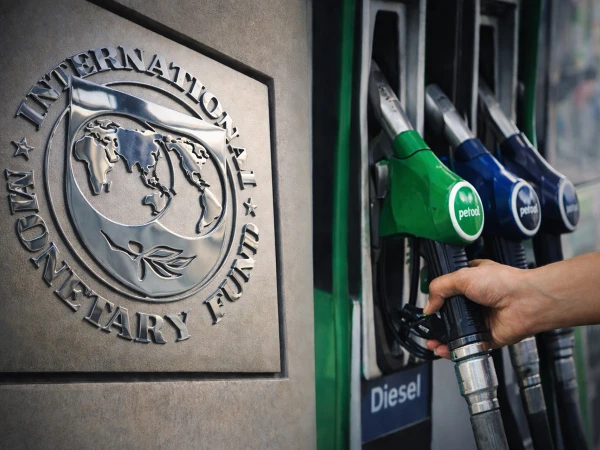
The IMF has recommended an increase in the petroleum levy target of up to 18 percent. The petroleum levy is likely to go up to Rs 100 per liter in the next fiscal year. The petroleum levy target for the next fiscal year is proposed to be set at Rs 1,730 billion.
Sources said that the IMF has given the provinces a target of collecting an additional Rs 430 billion in revenue, while the provinces have been asked to give a surplus of about Rs 2 trillion to the federation.
A tax collection target of Rs 15,264 billion has been set for the FBR for the next fiscal year. The FBR’s half-yearly target by December 2026 has been set at Rs 7,022 billion, while an additional revenue of Rs 95 billion is planned to be obtained from tax audits in the next fiscal year.
According to sources, another Rs50 billion is estimated to be recovered from the sugar, cement, tobacco and fertilizer sectors, the defense budget is expected to increase from Rs2564 billion to Rs2665 billion, while Rs986 billion is likely to be allocated for the federal development program.
The provincial development budget may increase from Rs2.1 trillion to Rs2.5 trillion, while interest payments are likely to reach Rs7.8 trillion in the next fiscal year. Pakistan’s external financial needs for the next fiscal year are estimated to be $21.2 billion.
According to sources, the IMF has proposed new tax measures worth Rs430 billion to Pakistan. The economic growth rate in the next fiscal year is estimated to be 3.5 percent, while the average inflation during the next fiscal year is predicted to be 8.4 percent.
Sources have said that the condition of increasing gas and electricity rates twice a year remains in place, it has been recommended not to provide new tax exemptions for special economic zones, while it is proposed to phase out the privileges of special economic and technology zones by 2035.