Daily The Patriot

Jerusalem Post’s Imran Focus

Link copied!

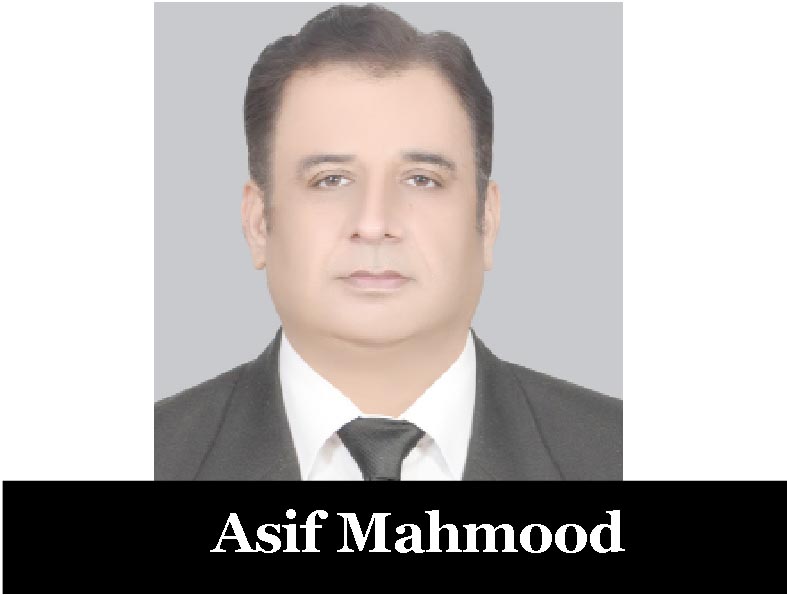
Asif Mahmood

There is a growing illusion in certain circles that opinion pieces in foreign newspapers can bend the judicial system of a state. That if enough columns are written in places like Washington or Tel Aviv, pressure will build, and Pakistan will be forced into decisions it would not otherwise take. This assumption is not just flawed, it shows a deep misunderstanding of how states function and how power actually works.

The question is simple. Can articles in foreign publications secure the release of Imran Khan? The answer is no. States do not reverse legal or political decisions because of commentary written abroad, especially when that commentary is seen as hostile or agenda driven. What such efforts can do, however, is raise uncomfortable questions about intent. Why are certain foreign voices suddenly invested in Pakistan’s internal matters? What do they really seek?

There is another, more serious problem. In its current approach, Pakistan Tehreek e Insaf has blurred the line between opposing a government and confronting the state itself. This is not a minor distinction. Governments change. States endure. When a political movement begins to treat the state as its rival, it steps onto dangerous ground.

The events of 9 May were not a routine political protest. They reflected a deeper confusion within the party’s thinking. This was not about policy disagreement or electoral contest. It carried the tone of confrontation with institutions that form the backbone of the state. Any attempt to create division within those institutions is not politics. It is something far more serious.

What is striking is that even after these events, there has been little reflection within the party. Instead of recalibrating its approach, it has leaned further into external lobbying. One day it is a column in an American newspaper. Another day it is a voice from Israel. At times it is a known lobbyist speaking on its behalf. This pattern does not strengthen the party’s position. It weakens it.

There is a basic reality that cannot be ignored. Legal cases are decided within courts. Political disputes are resolved through dialogue, negotiation, and electoral processes. None of these can be outsourced. No amount of noise abroad can replace engagement at home.

There is also the matter of credibility. When voices from countries with their own controversial records begin to speak in the language of human rights for Pakistan, it does not carry moral weight. It invites skepticism. It shifts attention away from the issue at hand and towards the motives behind such interventions.

Pakistan is not a fragile state that can be pushed into decisions through a handful of opinion pieces. It has endured far greater pressures in its history. To assume that it will yield to media campaigns is to misread both its resilience and its institutions.

If there is a path to Imran Khan’s release, it lies within Pakistan. It lies in legal strategy, political maturity, and a willingness to engage within the framework of the system. It requires patience and clarity, not theatrics.

Political parties rise and fall on their ability to read the moment. At this moment, the need is for sobriety, not confrontation. For strategy, not slogans. If Pakistan Tehreek e Insaf continues to treat the state as its adversary and relies on external voices to make its case, it risks isolating itself further.

In politics, miscalculations carry a cost. Sometimes that cost is electoral. Sometimes it is institutional. And sometimes, it is existential.

Leave a Reply

Your email address will not be published. Required fields are marked *

Jerusalem Post’s Imran Focus

Link copied!

Asif Mahmood

There is a growing illusion in certain circles that opinion pieces in foreign newspapers can bend the judicial system of a state. That if enough columns are written in places like Washington or Tel Aviv, pressure will build, and Pakistan will be forced into decisions it would not otherwise take. This assumption is not just flawed, it shows a deep misunderstanding of how states function and how power actually works.

The question is simple. Can articles in foreign publications secure the release of Imran Khan? The answer is no. States do not reverse legal or political decisions because of commentary written abroad, especially when that commentary is seen as hostile or agenda driven. What such efforts can do, however, is raise uncomfortable questions about intent. Why are certain foreign voices suddenly invested in Pakistan’s internal matters? What do they really seek?

There is another, more serious problem. In its current approach, Pakistan Tehreek e Insaf has blurred the line between opposing a government and confronting the state itself. This is not a minor distinction. Governments change. States endure. When a political movement begins to treat the state as its rival, it steps onto dangerous ground.

The events of 9 May were not a routine political protest. They reflected a deeper confusion within the party’s thinking. This was not about policy disagreement or electoral contest. It carried the tone of confrontation with institutions that form the backbone of the state. Any attempt to create division within those institutions is not politics. It is something far more serious.

What is striking is that even after these events, there has been little reflection within the party. Instead of recalibrating its approach, it has leaned further into external lobbying. One day it is a column in an American newspaper. Another day it is a voice from Israel. At times it is a known lobbyist speaking on its behalf. This pattern does not strengthen the party’s position. It weakens it.

There is a basic reality that cannot be ignored. Legal cases are decided within courts. Political disputes are resolved through dialogue, negotiation, and electoral processes. None of these can be outsourced. No amount of noise abroad can replace engagement at home.

There is also the matter of credibility. When voices from countries with their own controversial records begin to speak in the language of human rights for Pakistan, it does not carry moral weight. It invites skepticism. It shifts attention away from the issue at hand and towards the motives behind such interventions.

Pakistan is not a fragile state that can be pushed into decisions through a handful of opinion pieces. It has endured far greater pressures in its history. To assume that it will yield to media campaigns is to misread both its resilience and its institutions.

If there is a path to Imran Khan’s release, it lies within Pakistan. It lies in legal strategy, political maturity, and a willingness to engage within the framework of the system. It requires patience and clarity, not theatrics.

Political parties rise and fall on their ability to read the moment. At this moment, the need is for sobriety, not confrontation. For strategy, not slogans. If Pakistan Tehreek e Insaf continues to treat the state as its adversary and relies on external voices to make its case, it risks isolating itself further.

In politics, miscalculations carry a cost. Sometimes that cost is electoral. Sometimes it is institutional. And sometimes, it is existential.

Leave a Reply

Your email address will not be published. Required fields are marked *