Daily The Patriot

Islamabad Talks 

Link copied!

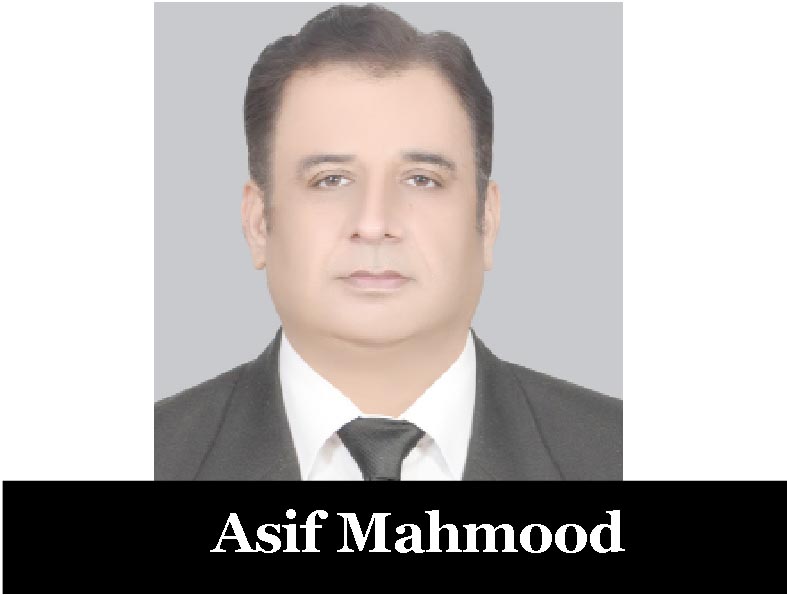
Asif Mahmood

So, have the negotiations failed? No. Absolutely not. The negotiations have successfully melted the ice and hope of peace is blooming.  Pakistan has emerged as a symbol of peace with dignity and respect. 

There is some noise that the negotiation process has failed and that the US President has returned. It is quite possible that along with this noise, some people may also come forward with their usual bitter remarks, saying that Pakistan was very happy about these talks, but now the negotiations have failed. However, the reality is that the negotiations have not failed; they have succeeded. The dust being raised should not mislead you. Observe the matter with patience, seriousness, and composure. Pakistan has succeeded and stands as dignified today as it did before. In fact, Pakistan’s achievements are both significant and meaningful.

Even in villages, when two hostile families sit together, the ice does not always melt in the first meeting. Sometimes it does, but often it takes time. Here, two states were involved. If everything could not be resolved in the first meeting, there is no need for worry or disappointment.

Consider what happened at the end of the talks. The United States said that Iran did not accept its proposal, but it has left its offer on the table. What did Iran say? Iran said it has presented its position, and now the ball is in the American court.

What does this mean? First, it means the matter is not over; it is still ongoing. Both sides have made proposals and are awaiting responses, and the path for dialogue remains open.

Second, it means both sides have listened to each other and presented their positions. The issue is complex. Now both parties will return to their countries, consult their leadership, and engage their domestic audiences. Before any final decision, they will try to take their domestic populations into confidence. This is entirely natural. When negotiating parties have been in deep hostility for decades, they cannot resolve everything suddenly. Otherwise, their domestic audience would be overwhelmed. This process must be gradual, bringing people along and persuading them.

You may understand it this way: just as in war, when things do not go well, face saving becomes necessary, similarly in negotiations, face saving is sometimes also required. To avoid a domestic backlash after negotiations, a slight pause, delay, or ambiguity serves as a form of face saving.

Sometimes, parties feel that if too much progress happens in the first meeting, it may not align with their pride and image. So negotiations slow down. Then what happens? The same thing that often happens in ceasefires. Mediators step in, appeals are made, and the parties soften their positions while preserving national pride and face saving.

This is exactly what has happened here. The first round of talks took place. The parties sat face to face and expressed their positions. The same regime that was being discussed was also present at the table. The offer remains on the table, and the ball is still in the other court. When the ball is in the opponent’s court, it is still in play. The game is not over.

The game continues, and hope has increased.

During this time, Pakistan has taken an important step. It has deployed its military forces in Saudi Arabia during the negotiations. Iran already acknowledges the gesture of goodwill and sincerity shown by Pakistan. With Pakistani forces present in Saudi Arabia, even if matters deteriorate, Iran will not attack Saudi Arabia.

This prevents the outbreak of a broader Arab and Iran conflict, and thus a major conspiracy has been foiled. Pakistan has played a key role in preventing this escalation through significant effort.

The sequence of events suggests that there may have been a strong desire to turn this situation into a war between Iran and the Arab world. That did not happen, and this is largely due to Pakistan’s efforts.

Leave a Reply

Your email address will not be published. Required fields are marked *

Islamabad Talks 

Link copied!

Asif Mahmood

So, have the negotiations failed? No. Absolutely not. The negotiations have successfully melted the ice and hope of peace is blooming.  Pakistan has emerged as a symbol of peace with dignity and respect. 

There is some noise that the negotiation process has failed and that the US President has returned. It is quite possible that along with this noise, some people may also come forward with their usual bitter remarks, saying that Pakistan was very happy about these talks, but now the negotiations have failed. However, the reality is that the negotiations have not failed; they have succeeded. The dust being raised should not mislead you. Observe the matter with patience, seriousness, and composure. Pakistan has succeeded and stands as dignified today as it did before. In fact, Pakistan’s achievements are both significant and meaningful.

Even in villages, when two hostile families sit together, the ice does not always melt in the first meeting. Sometimes it does, but often it takes time. Here, two states were involved. If everything could not be resolved in the first meeting, there is no need for worry or disappointment.

Consider what happened at the end of the talks. The United States said that Iran did not accept its proposal, but it has left its offer on the table. What did Iran say? Iran said it has presented its position, and now the ball is in the American court.

What does this mean? First, it means the matter is not over; it is still ongoing. Both sides have made proposals and are awaiting responses, and the path for dialogue remains open.

Second, it means both sides have listened to each other and presented their positions. The issue is complex. Now both parties will return to their countries, consult their leadership, and engage their domestic audiences. Before any final decision, they will try to take their domestic populations into confidence. This is entirely natural. When negotiating parties have been in deep hostility for decades, they cannot resolve everything suddenly. Otherwise, their domestic audience would be overwhelmed. This process must be gradual, bringing people along and persuading them.

You may understand it this way: just as in war, when things do not go well, face saving becomes necessary, similarly in negotiations, face saving is sometimes also required. To avoid a domestic backlash after negotiations, a slight pause, delay, or ambiguity serves as a form of face saving.

Sometimes, parties feel that if too much progress happens in the first meeting, it may not align with their pride and image. So negotiations slow down. Then what happens? The same thing that often happens in ceasefires. Mediators step in, appeals are made, and the parties soften their positions while preserving national pride and face saving.

This is exactly what has happened here. The first round of talks took place. The parties sat face to face and expressed their positions. The same regime that was being discussed was also present at the table. The offer remains on the table, and the ball is still in the other court. When the ball is in the opponent’s court, it is still in play. The game is not over.

The game continues, and hope has increased.

During this time, Pakistan has taken an important step. It has deployed its military forces in Saudi Arabia during the negotiations. Iran already acknowledges the gesture of goodwill and sincerity shown by Pakistan. With Pakistani forces present in Saudi Arabia, even if matters deteriorate, Iran will not attack Saudi Arabia.

This prevents the outbreak of a broader Arab and Iran conflict, and thus a major conspiracy has been foiled. Pakistan has played a key role in preventing this escalation through significant effort.

The sequence of events suggests that there may have been a strong desire to turn this situation into a war between Iran and the Arab world. That did not happen, and this is largely due to Pakistan’s efforts.

Leave a Reply

Your email address will not be published. Required fields are marked *