


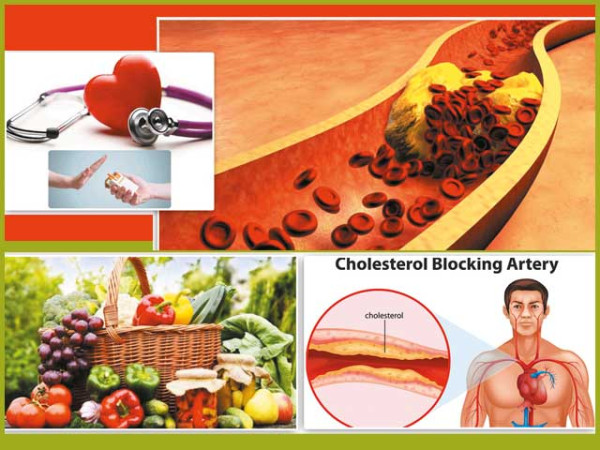
Medical experts describe high cholesterol as a silent problem that grows in the body for years without any apparent symptoms, but over time can pose serious risks to the heart, brain, and other vital organs.
Most people realize this when the disease has become a major complication.
According to experts, cholesterol is actually a fat-like substance that is present in the blood. On the one hand, it is produced by the liver itself, while on the other hand, it is also obtained from food, especially through meat, fish, eggs and dairy products. Although it is essential for the body and helps in the production of hormones, cell structure and vitamin D, its excess can be dangerous.
There are two main types of cholesterol, one called “good” or HDL and the other called “bad” or LDL. Good cholesterol helps remove excess fat from the body, while bad cholesterol accumulates in the blood vessels, making them narrow and hard, which is called atherosclerosis in medical terms.
Because of this silence, it is also called the “silent killer” because it does not immediately show symptoms such as pain or weakness. However, when the arteries become narrowed, problems such as chest pain, shortness of breath, leg pain, heart attack or stroke can occur. Experts warn that waiting for symptoms can be dangerous, so timely testing is essential.
Doctors recommend that people with diabetes, high blood pressure, obesity or smoking should get their lipid profile tested regularly, for some people every six months, while for others at least once a year.
According to experts, a few simple lifestyle changes can be effective in preventing high cholesterol. While adopting a balanced diet, reduce the consumption of fatty foods and red meat and eat more fiber-rich foods such as oats, pulses and fruits. Similarly, it is better to limit the consumption of egg yolks.
Physical activity is also very important in this regard. At least half an hour of brisk walking every day and about 150 minutes of exercise a week are helpful in keeping cholesterol under control.
Experts say that since this disease progresses silently, regular tests and healthy habits are the most effective way to stay safe from it.