Daily The Patriot

Fazila Abbasi Case: A Test of PTI's Accountability Narrative

Link copied!

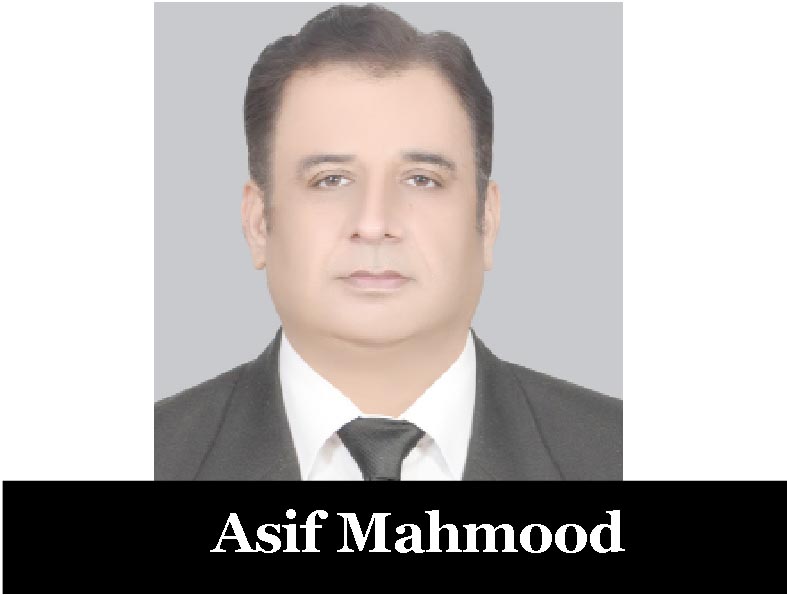
Asif Mahmood

Fazila Abbasi’s case has drawn attention for the allegations involved as well as the muted response surrounding it. Hamza Ali Abbasi has remained quiet, and Pakistan Tehreek-e-Insaf has shown little visible reaction. This raises a broader question. Does PTI respond to allegations selectively, speaking forcefully when they concern opponents but exercising restraint when similar claims involve those perceived to be close to it? At the very least, these are allegations that require careful verification, yet the political response to them is itself part of the debate.

There was a time when the case of Ayyan Ali dominated headlines and triggered strong reactions framed around accountability. In contrast, recent media reports have raised allegations concerning Dr Fazila Abbasi, but the intensity of response appears markedly different. According to media reports citing the Federal Investigation Agency, it has been alleged that funds amounting to approximately Rs 25.2 billion may have been transferred abroad, including to Dubai and the United States. These claims remain under investigation and have yet to be established in a court of law.

The issue, therefore, is less about drawing conclusions and more about consistency in principle. PTI has long presented itself as a party committed to accountability and transparency. However, when allegations are linked, even indirectly, to individuals associated with its broader political space, the response appears more restrained. Hamza Ali Abbasi has been publicly associated with PTI and has previously held a position within its Karachi chapter, which places the current silence in a more noticeable context.

Details referenced in various reports add further complexity, though they remain claims at this stage. It has been alleged that despite declaring a relatively modest annual income in tax records, accounts linked to Dr Fazila Abbasi show transactions running into billions of rupees across multiple bank accounts. If proven, such discrepancies would raise serious questions. At present, however, these assertions remain subject to legal scrutiny.

Some reports have also alleged the possible use of informal channels such as hawala or hundi for transferring funds internationally. If substantiated, this would suggest a more complex financial structure. For now, these too remain allegations that require investigation and due process before any definitive conclusions can be drawn.

The central questions remain open. What is the source of the funds in question? For what purpose were they allegedly transferred? And who, if anyone, is ultimately responsible? These are matters for investigative authorities and the courts to determine.

A broader concern, however, lies in the pattern of political response. Allegations involving opponents often generate strong rhetoric centered on accountability. When similar allegations arise closer to home, the tone can shift towards caution or silence. Such inconsistency does not establish guilt, but it does raise questions about the application of stated principles.

Reports have further suggested that the inquiry may extend beyond an individual, with scrutiny reportedly involving family-linked financial activity. Legal proceedings, including reports regarding pre-arrest bail and non-appearance, form part of an ongoing process. These developments, however, remain elements of a case that is yet to reach any legal conclusion.

Separate media reports have also raised allegations relating to regulatory aspects of medical practice, including claims about operating an unregistered clinic and the alleged use of unapproved treatments. If proven, these would introduce additional dimensions to the case. At present, these claims too remain unverified.

At a broader level, the situation highlights a recurring tension within Pakistan’s political discourse. While citizens face economic pressures and strict financial scrutiny in their daily lives, high-profile cases involving large sums of money often unfold through competing claims and counterclaims. It is this contrast that shapes public perception.

Ultimately, the determination of facts rests with the courts. These allegations remain unproven unless established through due legal process. Yet political credibility is influenced not only by legal outcomes but also by consistency in response. Until the facts are clearly established, questions around PTI’s accountability narrative are likely to persist.

Leave a Reply

Your email address will not be published. Required fields are marked *

Fazila Abbasi Case: A Test of PTI's Accountability Narrative

Link copied!

Asif Mahmood

Fazila Abbasi’s case has drawn attention for the allegations involved as well as the muted response surrounding it. Hamza Ali Abbasi has remained quiet, and Pakistan Tehreek-e-Insaf has shown little visible reaction. This raises a broader question. Does PTI respond to allegations selectively, speaking forcefully when they concern opponents but exercising restraint when similar claims involve those perceived to be close to it? At the very least, these are allegations that require careful verification, yet the political response to them is itself part of the debate.

There was a time when the case of Ayyan Ali dominated headlines and triggered strong reactions framed around accountability. In contrast, recent media reports have raised allegations concerning Dr Fazila Abbasi, but the intensity of response appears markedly different. According to media reports citing the Federal Investigation Agency, it has been alleged that funds amounting to approximately Rs 25.2 billion may have been transferred abroad, including to Dubai and the United States. These claims remain under investigation and have yet to be established in a court of law.

The issue, therefore, is less about drawing conclusions and more about consistency in principle. PTI has long presented itself as a party committed to accountability and transparency. However, when allegations are linked, even indirectly, to individuals associated with its broader political space, the response appears more restrained. Hamza Ali Abbasi has been publicly associated with PTI and has previously held a position within its Karachi chapter, which places the current silence in a more noticeable context.

Details referenced in various reports add further complexity, though they remain claims at this stage. It has been alleged that despite declaring a relatively modest annual income in tax records, accounts linked to Dr Fazila Abbasi show transactions running into billions of rupees across multiple bank accounts. If proven, such discrepancies would raise serious questions. At present, however, these assertions remain subject to legal scrutiny.

Some reports have also alleged the possible use of informal channels such as hawala or hundi for transferring funds internationally. If substantiated, this would suggest a more complex financial structure. For now, these too remain allegations that require investigation and due process before any definitive conclusions can be drawn.

The central questions remain open. What is the source of the funds in question? For what purpose were they allegedly transferred? And who, if anyone, is ultimately responsible? These are matters for investigative authorities and the courts to determine.

A broader concern, however, lies in the pattern of political response. Allegations involving opponents often generate strong rhetoric centered on accountability. When similar allegations arise closer to home, the tone can shift towards caution or silence. Such inconsistency does not establish guilt, but it does raise questions about the application of stated principles.

Reports have further suggested that the inquiry may extend beyond an individual, with scrutiny reportedly involving family-linked financial activity. Legal proceedings, including reports regarding pre-arrest bail and non-appearance, form part of an ongoing process. These developments, however, remain elements of a case that is yet to reach any legal conclusion.

Separate media reports have also raised allegations relating to regulatory aspects of medical practice, including claims about operating an unregistered clinic and the alleged use of unapproved treatments. If proven, these would introduce additional dimensions to the case. At present, these claims too remain unverified.

At a broader level, the situation highlights a recurring tension within Pakistan’s political discourse. While citizens face economic pressures and strict financial scrutiny in their daily lives, high-profile cases involving large sums of money often unfold through competing claims and counterclaims. It is this contrast that shapes public perception.

Ultimately, the determination of facts rests with the courts. These allegations remain unproven unless established through due legal process. Yet political credibility is influenced not only by legal outcomes but also by consistency in response. Until the facts are clearly established, questions around PTI’s accountability narrative are likely to persist.

Leave a Reply

Your email address will not be published. Required fields are marked *