Daily The Patriot

PTI at the Crossroads

Link copied!

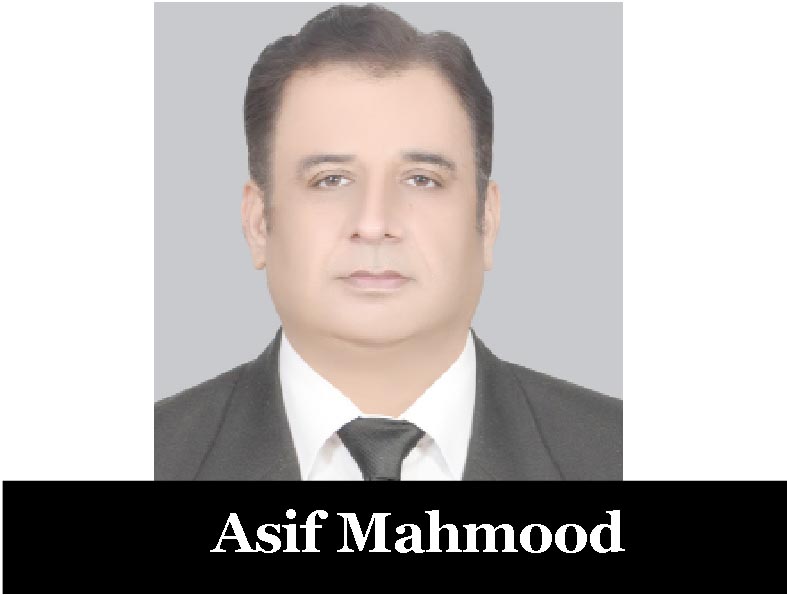
Asif Mahmood 

Is Pakistan Tehreek-e-Insaf now prepared to align its politics with someone like Arif Ajakia? Have such figures become its crutch? Is there no one left within the party with the sense and sobriety to offer sound, responsible counsel?

PTI’s politics now stands so exposed that Imran Khan, Zulfi Bukhari, Qasim Khan, Sulaiman Khan, Aleema Khan, and the cluster of faces around them, many of whom operate from abroad and benefit from narratives that malign Pakistan, appear to be standing on the same political line.

The narrative itself has fallen into the hands of unserious individuals like Shahbaz Gill. What Fawad Chaudhry once said no longer sounds like a passing remark. It increasingly resembles an uncomfortable truth: that the party’s leadership has slipped into the hands of political adolescents.

When a case is made while standing alongside a controversial figure like Arif Ajakia, someone consistently critical of Pakistan, it is not merely a political choice. It is a moment that demands serious reflection.

The question is simple. Does PTI no longer possess any moral, political, or national grounding within Pakistan to present its founder’s position through its own people, its own platforms, and within its own national space?

The reality is that PTI has repeatedly given the impression that it is less concerned with the people of Pakistan and more invested in voices that persistently attack the country, its institutions, and its credibility.

As I have written before, Imran Khan’s party today feels less like a political organization and more like a group driven by a desire to avenge its loss of power by rendering the state controversial, weakening the national position, and weaponizing external pressure for political ends.

It now appears less a political party and more a group inclined toward disorder and driven by political frenzy.

Yesterday I raised the same queation:  Pakistan Tehreek-e-Insaf still a political party, or has it become a fault line of the State? No nation can indefinitely tolerate an internal fracture. PTI’s actions suggest it may be testing that limit.

Since the vote of no confidence, the party has abandoned even the pretense of political prudence. Its approach is no longer opposition versus government, but opposition versus the state . Party decisions are taken with little regard for national interest, all orbiting around a single axis: without Khan, nothing else matters.

Recent events highlight this recklessness. Religious sentiment was weaponized against delicate state diplomacy, social media amplified division, and friendly foreign ties were portrayed irresponsibly. Sectarian fault lines were inflamed, just as Pakistan worked to prevent escalation in the region. PTI appears oblivious to the risks, repeating patterns seen on May 9 and earlier crises.

Across foreign and domestic challenges, from India to Afghanistan, from IMF negotiations to diplomatic efforts, the party has prioritized spectacle over solidarity. Its algorithm-driven campaigns target the state and its institutions in ways even adversaries might hesitate to use.

The pattern is clear. Wherever Pakistan stands, PTI positions itself in opposition. Every challenge is an opportunity, not a crisis.

The question is no longer rhetorical: Is Pakistan Tehreek-e-Insaf now prepared to align its politics with someone like Arif Ajakia? Have such figures become its crutch? Is there no one left within the party with the sense and sobriety to offer sound, responsible counsel?

Leave a Reply

Your email address will not be published. Required fields are marked *

PTI at the Crossroads

Link copied!

Asif Mahmood 

Is Pakistan Tehreek-e-Insaf now prepared to align its politics with someone like Arif Ajakia? Have such figures become its crutch? Is there no one left within the party with the sense and sobriety to offer sound, responsible counsel?

PTI’s politics now stands so exposed that Imran Khan, Zulfi Bukhari, Qasim Khan, Sulaiman Khan, Aleema Khan, and the cluster of faces around them, many of whom operate from abroad and benefit from narratives that malign Pakistan, appear to be standing on the same political line.

The narrative itself has fallen into the hands of unserious individuals like Shahbaz Gill. What Fawad Chaudhry once said no longer sounds like a passing remark. It increasingly resembles an uncomfortable truth: that the party’s leadership has slipped into the hands of political adolescents.

When a case is made while standing alongside a controversial figure like Arif Ajakia, someone consistently critical of Pakistan, it is not merely a political choice. It is a moment that demands serious reflection.

The question is simple. Does PTI no longer possess any moral, political, or national grounding within Pakistan to present its founder’s position through its own people, its own platforms, and within its own national space?

The reality is that PTI has repeatedly given the impression that it is less concerned with the people of Pakistan and more invested in voices that persistently attack the country, its institutions, and its credibility.

As I have written before, Imran Khan’s party today feels less like a political organization and more like a group driven by a desire to avenge its loss of power by rendering the state controversial, weakening the national position, and weaponizing external pressure for political ends.

It now appears less a political party and more a group inclined toward disorder and driven by political frenzy.

Yesterday I raised the same queation:  Pakistan Tehreek-e-Insaf still a political party, or has it become a fault line of the State? No nation can indefinitely tolerate an internal fracture. PTI’s actions suggest it may be testing that limit.

Since the vote of no confidence, the party has abandoned even the pretense of political prudence. Its approach is no longer opposition versus government, but opposition versus the state . Party decisions are taken with little regard for national interest, all orbiting around a single axis: without Khan, nothing else matters.

Recent events highlight this recklessness. Religious sentiment was weaponized against delicate state diplomacy, social media amplified division, and friendly foreign ties were portrayed irresponsibly. Sectarian fault lines were inflamed, just as Pakistan worked to prevent escalation in the region. PTI appears oblivious to the risks, repeating patterns seen on May 9 and earlier crises.

Across foreign and domestic challenges, from India to Afghanistan, from IMF negotiations to diplomatic efforts, the party has prioritized spectacle over solidarity. Its algorithm-driven campaigns target the state and its institutions in ways even adversaries might hesitate to use.

The pattern is clear. Wherever Pakistan stands, PTI positions itself in opposition. Every challenge is an opportunity, not a crisis.

The question is no longer rhetorical: Is Pakistan Tehreek-e-Insaf now prepared to align its politics with someone like Arif Ajakia? Have such figures become its crutch? Is there no one left within the party with the sense and sobriety to offer sound, responsible counsel?

Leave a Reply

Your email address will not be published. Required fields are marked *