


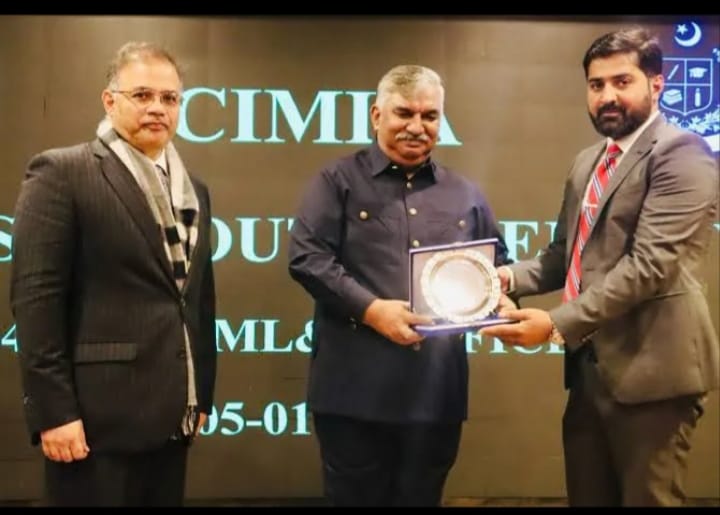
Rawalpindi When Maj Gen Irfan Ahmed Malik took charge of the Military Lands and Cantonments (ML&C) Department, expectations were modest. Yet in just two years, his tenure became a story of reform, modernization, and people-centered governance—something that in ordinary bureaucratic timeframes could have taken decades.

Maj Gen Irfan Ahmed Malik
His reforms touched almost every corner of the department. Taxation—long riddled with ambiguity—was placed on a law-based, automated, and transparent footing. For the first time, uniform rules governed Cantt Fund properties and Old Grant conversions, ending decades of confusion and favoritism.
“A two-year tenure that reshaped policies, strengthened systems, and restored public trust”
Education and healthcare also underwent transformation. The Education Policy 2024 put merit and competitive standards at the heart of learning, while a new health policy extended coverage beyond employees to their families, reinforcing a sense of care and inclusivity.

Perhaps his most lasting legacy is digitization. From e-portals for taxation and grievances to automation of HR systems, ML&C evolved into a citizen-centric, transparent institution aligned with Pakistan’s broader vision of e-governance.
Development, too, was ambitious. More than thirty projects were proposed under the Public Sector Development Programme, reshaping cantonments into full-fledged towns with civic, health, and educational facilities. Pensioners, often forgotten in the system, were given relief at their doorsteps—small in scale but enormous in symbolism.

What stood out was not just policy but leadership. Approachable yet firm, reformist yet pragmatic, Maj Gen Malik’s style inspired confidence within the department. Promotions, training programs, and fair HR practices boosted morale and performance alike.
Yes, obstacles surfaced—from legal challenges to resistance by vested interests—but they were overcome with determination and creative problem-solving. The result: ML&C today is not only stronger but also more responsive to its people.
In the end, his two-year stint proved one thing—visionary leadership can compress decades of institutional drift into a few short years of reform. His legacy will likely serve as a benchmark for governance in Pakistan for years to come.
