Daily The Patriot

Thank God Karachi Is Safe

Link copied!

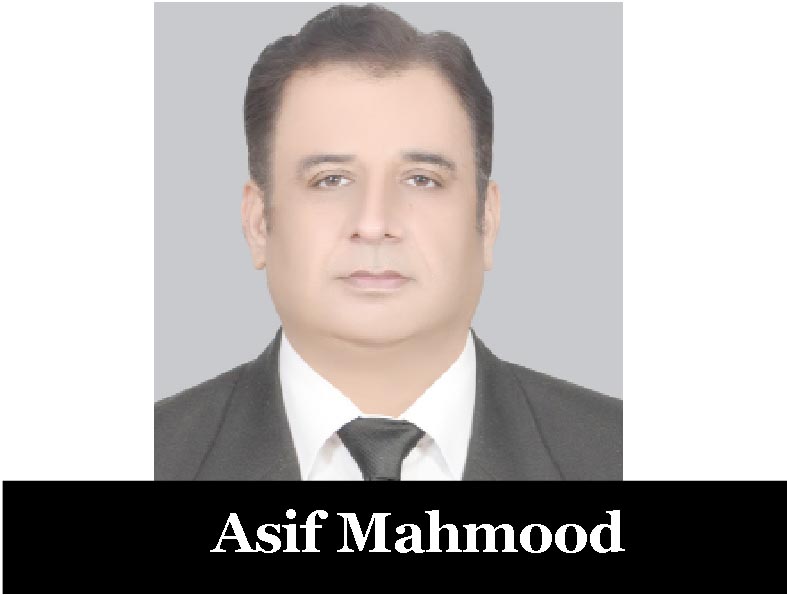
Asif Mahmood

Two developments stand out with striking clarity. The foiling of a major terrorist plot in Karachi and the joint statement issued after the seventh round of the Pakistan China Foreign Ministers Strategic Dialogue. Read together, they reveal not coincidence but convergence. Security action on the ground and diplomacy at the global level are now moving in the same direction.

 According to senior Counter Terrorism Department officials, the disrupted network was operating from Afghan territory and interior Balochistan, with clear links to Indian backed proxies such as the BLA and BLF. Terrorists had rented premises thirty five to forty kilometers outside Karachi where explosives were being prepared to strike civilian targets. The operation was conducted with extraordinary discretion, relying on human and technical intelligence to avoid public panic while dismantling the supply chain.

The recovery of more than two thousand kilograms of explosive material, including dozens of plastic drums and metal gas cylinders, confirms that Karachi was saved from a catastrophe of unprecedented scale. This was not an isolated attempt. Only recently, security agencies thwarted a plan to use a minor girl as a suicide bomber. The pattern is unmistakable. Terrorism is being outsourced, facilitated and directed through a nexus that combines foreign sponsorship with local enablers.

What has changed is Pakistan’s response. For years, Islamabad exercised restraint, choosing cautious language and limited exposure of hostile actors. That phase is over. Pakistan is now acting with clarity and focus at operational, strategic and diplomatic levels. The Karachi operation is evidence of internal resolve. The joint Pakistan China statement is proof of international validation.

The language of the joint communiqué is particularly significant. It explicitly calls for verifiable action against all terrorist organizations operating from Afghan soil and warns that these groups pose a serious threat to regional and global security. It urges Afghanistan to ensure that its territory is not used against any other state. This is not ambiguity. It is a direct endorsement of Pakistan’s long held position.

Equally important is what the statement implies beyond security. The call for an inclusive political framework in Afghanistan signals rejection of monopoly rule and hints at the necessity of a representative and accountable governance structure. At the same time, the tone remains constructive rather than confrontational. The emphasis is on Afghanistan’s development and integration into the international community, not isolation or coercion.

Pakistan’s losses make this stance unavoidable. In the past year alone, six hundred soldiers have been martyred, alongside countless civilians. No state can absorb such damage indefinitely. Zero tolerance for terrorism is no longer rhetoric. It is a policy line drawn in blood.

Pakistan and China share economic and strategic interests in the region. Continued terrorist activity emanating from Afghanistan directly threatens those interests, including the future of CPEC and broader regional connectivity. This is precisely what hostile forces seek to sabotage.

The message is therefore clear. Pakistan is united internally and aligned externally. The world is no longer dismissing its concerns. For Afghanistan, this is a moment of choice. Persist with a war economy driven by proxies and violence, or connect with genuine economic opportunities that promise stability and growth. The window is open. Whether it is used or wasted will define the region’s future.

Leave a Reply

Your email address will not be published. Required fields are marked *

Thank God Karachi Is Safe

Link copied!

Asif Mahmood

Two developments stand out with striking clarity. The foiling of a major terrorist plot in Karachi and the joint statement issued after the seventh round of the Pakistan China Foreign Ministers Strategic Dialogue. Read together, they reveal not coincidence but convergence. Security action on the ground and diplomacy at the global level are now moving in the same direction.

 According to senior Counter Terrorism Department officials, the disrupted network was operating from Afghan territory and interior Balochistan, with clear links to Indian backed proxies such as the BLA and BLF. Terrorists had rented premises thirty five to forty kilometers outside Karachi where explosives were being prepared to strike civilian targets. The operation was conducted with extraordinary discretion, relying on human and technical intelligence to avoid public panic while dismantling the supply chain.

The recovery of more than two thousand kilograms of explosive material, including dozens of plastic drums and metal gas cylinders, confirms that Karachi was saved from a catastrophe of unprecedented scale. This was not an isolated attempt. Only recently, security agencies thwarted a plan to use a minor girl as a suicide bomber. The pattern is unmistakable. Terrorism is being outsourced, facilitated and directed through a nexus that combines foreign sponsorship with local enablers.

What has changed is Pakistan’s response. For years, Islamabad exercised restraint, choosing cautious language and limited exposure of hostile actors. That phase is over. Pakistan is now acting with clarity and focus at operational, strategic and diplomatic levels. The Karachi operation is evidence of internal resolve. The joint Pakistan China statement is proof of international validation.

The language of the joint communiqué is particularly significant. It explicitly calls for verifiable action against all terrorist organizations operating from Afghan soil and warns that these groups pose a serious threat to regional and global security. It urges Afghanistan to ensure that its territory is not used against any other state. This is not ambiguity. It is a direct endorsement of Pakistan’s long held position.

Equally important is what the statement implies beyond security. The call for an inclusive political framework in Afghanistan signals rejection of monopoly rule and hints at the necessity of a representative and accountable governance structure. At the same time, the tone remains constructive rather than confrontational. The emphasis is on Afghanistan’s development and integration into the international community, not isolation or coercion.

Pakistan’s losses make this stance unavoidable. In the past year alone, six hundred soldiers have been martyred, alongside countless civilians. No state can absorb such damage indefinitely. Zero tolerance for terrorism is no longer rhetoric. It is a policy line drawn in blood.

Pakistan and China share economic and strategic interests in the region. Continued terrorist activity emanating from Afghanistan directly threatens those interests, including the future of CPEC and broader regional connectivity. This is precisely what hostile forces seek to sabotage.

The message is therefore clear. Pakistan is united internally and aligned externally. The world is no longer dismissing its concerns. For Afghanistan, this is a moment of choice. Persist with a war economy driven by proxies and violence, or connect with genuine economic opportunities that promise stability and growth. The window is open. Whether it is used or wasted will define the region’s future.

Leave a Reply

Your email address will not be published. Required fields are marked *