Daily The Patriot

PTI's Dangerous Playbook

Link copied!

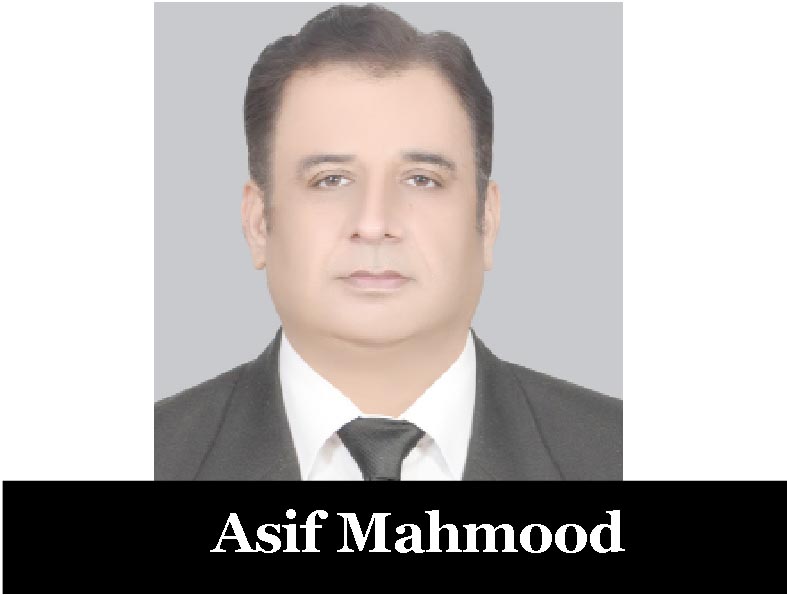
Asif Mhmood
Indian television appearances by PTI figures surprised no one. For years it has been felt and noticed that the party’s strategic core is united in only one direction and that direction runs opposite to the interests of the state.

Long before today it was clear that the pattern on the part of the state  mirrors the delay and confusion that once allowed Sheikh Mujib’s narrative to flourish. The signals are the same and the consequences are becoming similar. The state must act and act effectively. The sooner the better. 

PTI has created a political culture where the difference between a sitting government and the state is deliberately erased. When Pakistan confronts India’s hostility, every responsible political actor is expected to stand with the state. PTI chooses the opposite path. Instead of reinforcing national unity in moments of external pressure, it redirects all criticism toward the state. The target is never India. The target is never the destabilizing behaviour across the border. The target is always Pakistan itself.

When the country turns to the IMF in an attempt to prevent economic collapse, PTI launches letter writing campaigns that openly undermine those negotiations. These actions damage the nation’s credibility at the very moment when stability is desperately needed. When Pakistan prepares for the GSP Plus review, instead of lobbying for national economic benefit, PTI’s network begins communicating abroad against Pakistan’s own interests. The effect is direct harm to exports, workers and industries.

When terrorists strike and the state initiates counterterrorism operations, PTI again mobilizes against the state policy. Rather than confronting the threat of militancy, they confront the institutions trying to defeat it. When diplomatic tensions rise with Afghanistan due to Kabul’s behaviour, PTI avoids acknowledging Afghan responsibility and instead blames Pakistan. Their messaging echoes narratives promoted by hostile actors and undermines the state’s position in a sensitive regional environment.

None of this can be explained as politics. None of it can be dismissed as emotion. None of it fits the normal behaviour of a parliamentary opposition. It reveals a systematic strategy to keep Pakistan in continuous turmoil. The goal appears to be simple. Prevent national stability because stability reduces the party’s ability to exploit chaos. Keep Pakistan in a state of confusion because confusion fuels narratives of grievance. This is a politics that benefits from institutional weakness and therefore works actively to weaken institutions.

PTI behaves less like a political party and more like a cult that believes its existence is above the state itself. A cult requires constant outrage. A cult demands constant confrontation. A cult cannot tolerate national unity because unity leaves no room for its perpetual victimhood.

The nation, however, cannot allow such conduct to go unchallenged. Pakistan requires political disagreement. It requires debate. But it also requires a basic commitment to the strength and continuity of the state. That commitment is missing in PTI’s behaviour.

Real patriotism begins with safeguarding the state in moments of crisis. PTI has chosen a different path. It must be called out exactly as it is.

Leave a Reply

Your email address will not be published. Required fields are marked *

PTI's Dangerous Playbook

Link copied!

Asif Mhmood
Indian television appearances by PTI figures surprised no one. For years it has been felt and noticed that the party’s strategic core is united in only one direction and that direction runs opposite to the interests of the state.

Long before today it was clear that the pattern on the part of the state  mirrors the delay and confusion that once allowed Sheikh Mujib’s narrative to flourish. The signals are the same and the consequences are becoming similar. The state must act and act effectively. The sooner the better. 

PTI has created a political culture where the difference between a sitting government and the state is deliberately erased. When Pakistan confronts India’s hostility, every responsible political actor is expected to stand with the state. PTI chooses the opposite path. Instead of reinforcing national unity in moments of external pressure, it redirects all criticism toward the state. The target is never India. The target is never the destabilizing behaviour across the border. The target is always Pakistan itself.

When the country turns to the IMF in an attempt to prevent economic collapse, PTI launches letter writing campaigns that openly undermine those negotiations. These actions damage the nation’s credibility at the very moment when stability is desperately needed. When Pakistan prepares for the GSP Plus review, instead of lobbying for national economic benefit, PTI’s network begins communicating abroad against Pakistan’s own interests. The effect is direct harm to exports, workers and industries.

When terrorists strike and the state initiates counterterrorism operations, PTI again mobilizes against the state policy. Rather than confronting the threat of militancy, they confront the institutions trying to defeat it. When diplomatic tensions rise with Afghanistan due to Kabul’s behaviour, PTI avoids acknowledging Afghan responsibility and instead blames Pakistan. Their messaging echoes narratives promoted by hostile actors and undermines the state’s position in a sensitive regional environment.

None of this can be explained as politics. None of it can be dismissed as emotion. None of it fits the normal behaviour of a parliamentary opposition. It reveals a systematic strategy to keep Pakistan in continuous turmoil. The goal appears to be simple. Prevent national stability because stability reduces the party’s ability to exploit chaos. Keep Pakistan in a state of confusion because confusion fuels narratives of grievance. This is a politics that benefits from institutional weakness and therefore works actively to weaken institutions.

PTI behaves less like a political party and more like a cult that believes its existence is above the state itself. A cult requires constant outrage. A cult demands constant confrontation. A cult cannot tolerate national unity because unity leaves no room for its perpetual victimhood.

The nation, however, cannot allow such conduct to go unchallenged. Pakistan requires political disagreement. It requires debate. But it also requires a basic commitment to the strength and continuity of the state. That commitment is missing in PTI’s behaviour.

Real patriotism begins with safeguarding the state in moments of crisis. PTI has chosen a different path. It must be called out exactly as it is.

Leave a Reply

Your email address will not be published. Required fields are marked *