Daily The Patriot

PTI: Where Cult Replaces Good Governance

Link copied!

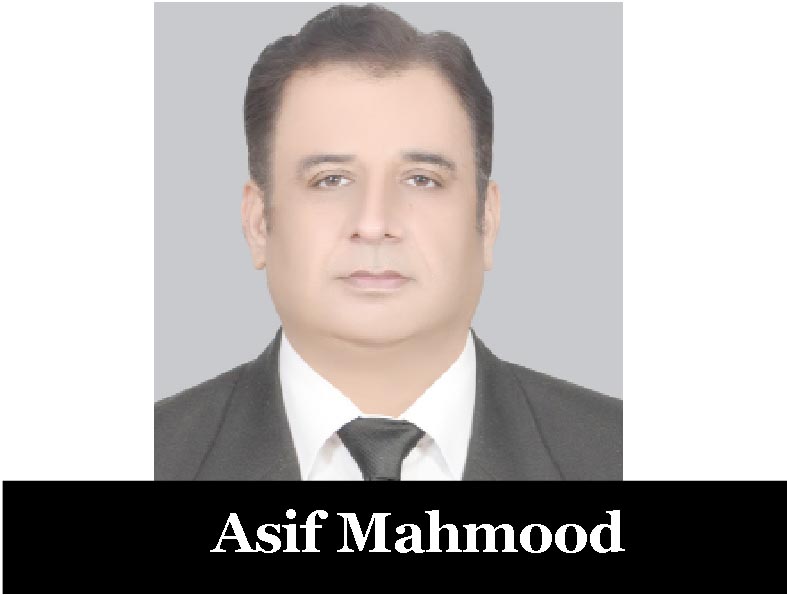
Asif Mahmood

The defining feature of Pakistan Tehreek e Insaf today is not policy or performance. It is loyalty. Blind, uncritical loyalty to one individual has overtaken reason, debate, and institutional function. What began as a political movement promising reform has now become a personality cult, where the leader’s word is the only standard and party structures exist largely in name.

Political parties naturally inspire respect for their leaders, but they are more than the sum of their followers. They have decision-making forums, clear policies, and a shared vision for governance. PTI, after more than two decades of struggle and years in power, has none of this. Authority is concentrated in the hands of one man, and all decisions, including the appointment of chief ministers, are deferred to him rather than formal party mechanisms. In Khyber Pakhtunkhwa, cabinet formation is delayed not because of policy concerns but because guidance is expected directly from Imran Khan.

The party’s chairman, Barrister Gohar, exists only in title. Institutional authority has been hollowed out and replaced by devotion to a single individual. Reports suggest that major decisions are sometimes made under unusual circumstances, including alleged influence from spiritual forces or family members. International media has highlighted these claims, raising serious questions about transparency, accountability, and the source of real power within the party.

Governance and performance have become irrelevant. Ministers are removed or appointed without explanation, and the achievements or priorities of those in office are ignored. Young supporters are mobilized through slogans and emotion rather than results or policy. Public discourse is replaced with propaganda, fake social media campaigns, and post-truth messaging that glorifies loyalty to the leader while silencing dissent. Aggression and personal devotion have replaced ideas, accountability, and civic responsibility.

The consequences extend beyond the party. State institutions, the economy, law and order, national security, and foreign policy all appear secondary to the preferences of one individual. Even overseas supporters frame their contributions as devotion to Imran Khan rather than civic duty. Loyalty now revolves around a single personality and anyone who questions the leader, whether an individual or an institution, faces hostility. Society has become polarized and public debate is dominated by emotion rather than reason.

In PTI today, right and wrong are determined not by law or ethics but by the position of the leader. Principles, argument, and policy exist only to justify personal preference. Party structures, committees, and even titular leaders are secondary to the authority of one individual. This is not a political party. It is a movement sustained by loyalty, rhetoric, and emotional manipulation.

This transformation raises a stark question for Pakistan. Can a political organization centered on one person, where devotion outweighs performance, ever serve the public effectively?

 PTI’s experience demonstrates that when loyalty replaces governance, the line between political movement and personality cult can disappear completely.

ReplyForwardAdd reaction

Leave a Reply

Your email address will not be published. Required fields are marked *

PTI: Where Cult Replaces Good Governance

Link copied!

Asif Mahmood

The defining feature of Pakistan Tehreek e Insaf today is not policy or performance. It is loyalty. Blind, uncritical loyalty to one individual has overtaken reason, debate, and institutional function. What began as a political movement promising reform has now become a personality cult, where the leader’s word is the only standard and party structures exist largely in name.

Political parties naturally inspire respect for their leaders, but they are more than the sum of their followers. They have decision-making forums, clear policies, and a shared vision for governance. PTI, after more than two decades of struggle and years in power, has none of this. Authority is concentrated in the hands of one man, and all decisions, including the appointment of chief ministers, are deferred to him rather than formal party mechanisms. In Khyber Pakhtunkhwa, cabinet formation is delayed not because of policy concerns but because guidance is expected directly from Imran Khan.

The party’s chairman, Barrister Gohar, exists only in title. Institutional authority has been hollowed out and replaced by devotion to a single individual. Reports suggest that major decisions are sometimes made under unusual circumstances, including alleged influence from spiritual forces or family members. International media has highlighted these claims, raising serious questions about transparency, accountability, and the source of real power within the party.

Governance and performance have become irrelevant. Ministers are removed or appointed without explanation, and the achievements or priorities of those in office are ignored. Young supporters are mobilized through slogans and emotion rather than results or policy. Public discourse is replaced with propaganda, fake social media campaigns, and post-truth messaging that glorifies loyalty to the leader while silencing dissent. Aggression and personal devotion have replaced ideas, accountability, and civic responsibility.

The consequences extend beyond the party. State institutions, the economy, law and order, national security, and foreign policy all appear secondary to the preferences of one individual. Even overseas supporters frame their contributions as devotion to Imran Khan rather than civic duty. Loyalty now revolves around a single personality and anyone who questions the leader, whether an individual or an institution, faces hostility. Society has become polarized and public debate is dominated by emotion rather than reason.

In PTI today, right and wrong are determined not by law or ethics but by the position of the leader. Principles, argument, and policy exist only to justify personal preference. Party structures, committees, and even titular leaders are secondary to the authority of one individual. This is not a political party. It is a movement sustained by loyalty, rhetoric, and emotional manipulation.

This transformation raises a stark question for Pakistan. Can a political organization centered on one person, where devotion outweighs performance, ever serve the public effectively?

 PTI’s experience demonstrates that when loyalty replaces governance, the line between political movement and personality cult can disappear completely.

ReplyForwardAdd reaction

Leave a Reply

Your email address will not be published. Required fields are marked *