Daily The Patriot

PTI: Political party or a faultline? 

Link copied!

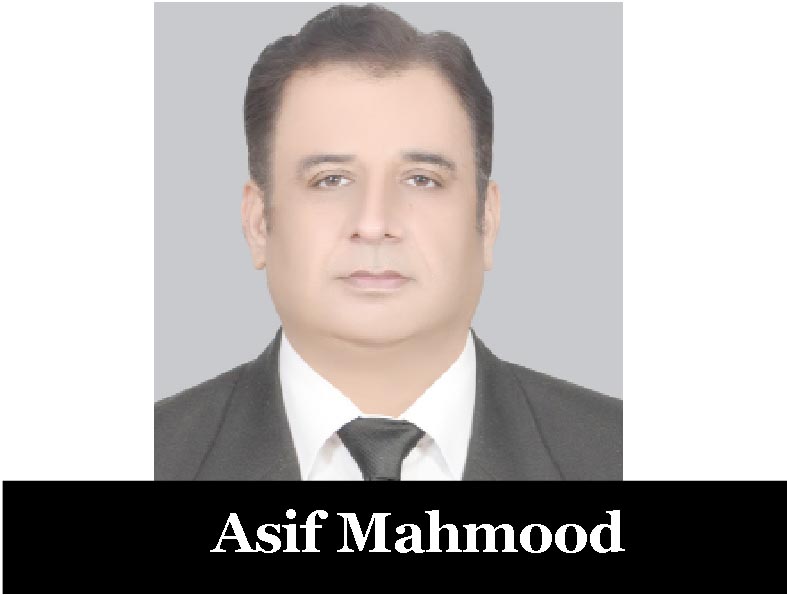
Asif Mahmood

Is Pakistan Tehreek-e-Insaf still merely a political party, or has it begun to resemble a fault line within the state itself? This is a question the party must confront, perhaps for the last time, because no nation state can indefinitely tolerate an internal fracture. There comes a point when the state chooses to seal its fault lines permanently, leaving no space for further rupture.

Even before the vote of no confidence, PTI’s grasp of political prudence was never particularly strong. Since then, however, it appears to have lost whatever little sense of balance it once possessed. It is difficult to recall a single decision in which even a modest degree of foresight can be discerned. What has been unleashed instead is a climate of agitation and frenzy. The line is no longer drawn between opposition and government. It is fast turning into a confrontation between the opposition and the state itself.

At moments when the state finds itself moving in difficult terrain, PTI does not offer restraint or goodwill. Rather, it seems to sense opportunity. Its response is not cooperation but pressure. Whatever position the state adopts, PTI appears compelled to take the opposite stance, with little regard for the potential cost to national interests. Its rhetoric, both spoken and implied, continues to orbit around a single axis: without Khan, nothing else matters.

This may be perceived by its leadership as a winning strategy. In reality, it is anything but. It is a reckless course that leads not to political recovery, but to a dead end.

Consider the most recent episode. A meeting takes place between Shia scholars and the Field Marshal at a particularly delicate juncture. Regional stability hangs in the balance, and even a minor misstep could trigger serious consequences. For a few days, there is silence. Then, suddenly, a wave of agitation begins. It appears as though a deliberate attempt has been made to weaponize religious sentiment against the Field Marshal. Analysts have pointed towards PTI, noting that several key voices amplifying this narrative are aligned with the party. The fact that Raja Nasir Abbas holds the position of Leader of the Opposition in the Senate with PTI’s backing only adds to the suspicion. It is therefore a legitimate question whether those shaping this narrative are the same actors who appear to be strategizing PTI’s broader direction from afar.

As if this were not enough, PTI’s social media machinery has further intensified the situation. The Pakistani state is being portrayed as a villain. Long-standing friendly countries are being discussed with startling irresponsibility. Sectarian fault lines between Shia and Sunni are being inflamed. Labels are being hurled, insults traded, and historical figures invoked to deepen division. All of this is unfolding at a time when Pakistan is being widely acknowledged, including by Iran, for its constructive diplomatic role.

PTI does not seem to grasp the gravity of what it is doing. This miscalculation is no less serious than the events of May 9. The present moment is extraordinarily sensitive. Pakistan is making strenuous efforts to prevent any escalation between Iran and Saudi Arabia. A single spark could ignite a much larger conflagration. Yet it appears that PTI has chosen to fan that spark into a sectarian blaze. The moment will pass, but this conduct will not be forgotten by the state. When consequences follow, those who once celebrated in political rallies may find that enthusiasm replaced by regret.

This is not the first time the state has been placed under such strain. It has been a pattern. Waves of protest and agitation have repeatedly been unleashed without regard for timing or context. Whenever foreign dignitaries visited Pakistan, unrest seemed to follow. When the economy faltered, calls were made to overseas Pakistanis to withhold remittances. When negotiations with the IMF approached conclusion, letters were dispatched urging the Fund to disengage. May 9 was the culmination of this trajectory, but the underlying mindset did not end there. It continues.

During tensions with India, some segments of PTI’s online support turned their criticism inward, targeting their own state with unprecedented intensity. During friction with Afghanistan, the blame was directed not at militant actors but at Pakistan itself, despite global reports identifying Pakistan as one of the countries most affected by terrorism. Through algorithm-driven campaigns, a toxic narrative has been pushed against the state and its armed forces in a manner that even adversaries might hesitate to employ.

The pattern is difficult to ignore. Wherever Pakistan stands, PTI seems to position itself in opposition. Whenever the country faces a challenge, the response is not solidarity but spectacle. The chant is familiar: an opportunity, not a crisis.

This brings us back to the central question. Is PTI still a political party operating within the democratic framework, or is it gradually transforming into a fault line within the state? It is a question that demands reflection. Perhaps one final time.

Leave a Reply

Your email address will not be published. Required fields are marked *

PTI: Political party or a faultline? 

Link copied!

Asif Mahmood

Is Pakistan Tehreek-e-Insaf still merely a political party, or has it begun to resemble a fault line within the state itself? This is a question the party must confront, perhaps for the last time, because no nation state can indefinitely tolerate an internal fracture. There comes a point when the state chooses to seal its fault lines permanently, leaving no space for further rupture.

Even before the vote of no confidence, PTI’s grasp of political prudence was never particularly strong. Since then, however, it appears to have lost whatever little sense of balance it once possessed. It is difficult to recall a single decision in which even a modest degree of foresight can be discerned. What has been unleashed instead is a climate of agitation and frenzy. The line is no longer drawn between opposition and government. It is fast turning into a confrontation between the opposition and the state itself.

At moments when the state finds itself moving in difficult terrain, PTI does not offer restraint or goodwill. Rather, it seems to sense opportunity. Its response is not cooperation but pressure. Whatever position the state adopts, PTI appears compelled to take the opposite stance, with little regard for the potential cost to national interests. Its rhetoric, both spoken and implied, continues to orbit around a single axis: without Khan, nothing else matters.

This may be perceived by its leadership as a winning strategy. In reality, it is anything but. It is a reckless course that leads not to political recovery, but to a dead end.

Consider the most recent episode. A meeting takes place between Shia scholars and the Field Marshal at a particularly delicate juncture. Regional stability hangs in the balance, and even a minor misstep could trigger serious consequences. For a few days, there is silence. Then, suddenly, a wave of agitation begins. It appears as though a deliberate attempt has been made to weaponize religious sentiment against the Field Marshal. Analysts have pointed towards PTI, noting that several key voices amplifying this narrative are aligned with the party. The fact that Raja Nasir Abbas holds the position of Leader of the Opposition in the Senate with PTI’s backing only adds to the suspicion. It is therefore a legitimate question whether those shaping this narrative are the same actors who appear to be strategizing PTI’s broader direction from afar.

As if this were not enough, PTI’s social media machinery has further intensified the situation. The Pakistani state is being portrayed as a villain. Long-standing friendly countries are being discussed with startling irresponsibility. Sectarian fault lines between Shia and Sunni are being inflamed. Labels are being hurled, insults traded, and historical figures invoked to deepen division. All of this is unfolding at a time when Pakistan is being widely acknowledged, including by Iran, for its constructive diplomatic role.

PTI does not seem to grasp the gravity of what it is doing. This miscalculation is no less serious than the events of May 9. The present moment is extraordinarily sensitive. Pakistan is making strenuous efforts to prevent any escalation between Iran and Saudi Arabia. A single spark could ignite a much larger conflagration. Yet it appears that PTI has chosen to fan that spark into a sectarian blaze. The moment will pass, but this conduct will not be forgotten by the state. When consequences follow, those who once celebrated in political rallies may find that enthusiasm replaced by regret.

This is not the first time the state has been placed under such strain. It has been a pattern. Waves of protest and agitation have repeatedly been unleashed without regard for timing or context. Whenever foreign dignitaries visited Pakistan, unrest seemed to follow. When the economy faltered, calls were made to overseas Pakistanis to withhold remittances. When negotiations with the IMF approached conclusion, letters were dispatched urging the Fund to disengage. May 9 was the culmination of this trajectory, but the underlying mindset did not end there. It continues.

During tensions with India, some segments of PTI’s online support turned their criticism inward, targeting their own state with unprecedented intensity. During friction with Afghanistan, the blame was directed not at militant actors but at Pakistan itself, despite global reports identifying Pakistan as one of the countries most affected by terrorism. Through algorithm-driven campaigns, a toxic narrative has been pushed against the state and its armed forces in a manner that even adversaries might hesitate to employ.

The pattern is difficult to ignore. Wherever Pakistan stands, PTI seems to position itself in opposition. Whenever the country faces a challenge, the response is not solidarity but spectacle. The chant is familiar: an opportunity, not a crisis.

This brings us back to the central question. Is PTI still a political party operating within the democratic framework, or is it gradually transforming into a fault line within the state? It is a question that demands reflection. Perhaps one final time.

Leave a Reply

Your email address will not be published. Required fields are marked *