Daily The Patriot

Kabul’s Man among Terrorists: A Wake up Call

Link copied!

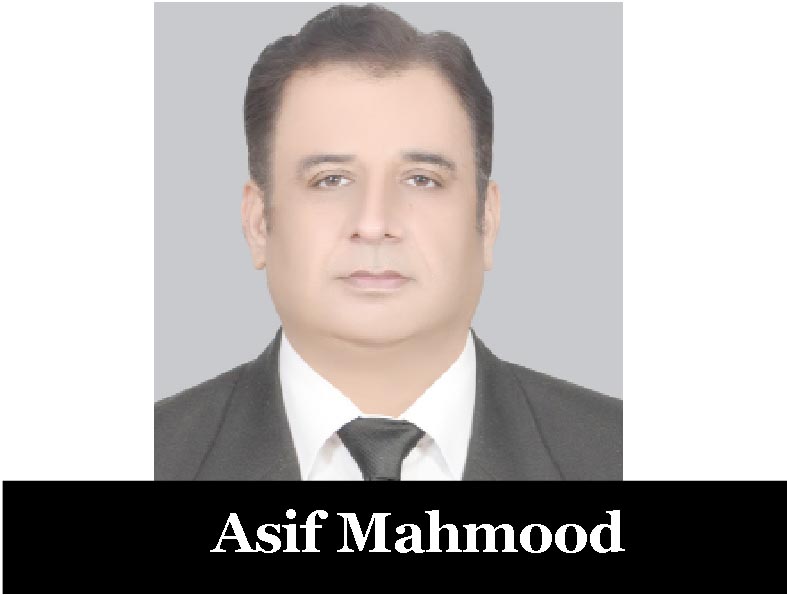
Asif Mahmood

Tensions between Pakistan and Afghanistan are already intense, and now a new and deeply troubling revelation has surfaced. Reports indicate that among the militants killed in a recent operation in North Waziristan was a serving member of the Afghan Border Police.

A militant killed in the security forces’ operation in North Waziristan district on November 2 has been identified as an Afghan citizen who was an on-duty official of the Afghan Border Police. According to the documents recovered from the killed militant, his name is  Qasim alias Milyar , son of  Gula Pir , resident of  Srotah Village, Giyan District, Paktika Province, Afghanistan . He was performing duties as an Afghan police official on the Pak-Afghan border adjacent to North Waziristan. A fake Pakistani ID card was also recovered from the killed militant, which was issued in 2019 and valid until 2029.

This disclosure carries serious implications for Pakistan’s security and its already fraught relationship with Kabul. The first and most alarming aspect is that the threat of terrorism in Pakistan is not limited to groups taking refuge in Afghanistan; it now appears that active members of Afghanistan’s official security apparatus are also involved. This lends further credibility to Pakistan’s long-standing claim that cross-border terrorism is being orchestrated, or at least facilitated, from the Afghan side.

Secondly, this incident reinforces Pakistan’s position that terrorism on its soil has roots across the border. Despite repeated assurances from Kabul, militant groups continue to operate from Afghan territory, targeting Pakistani forces and civilians alike. Such actions undermine any claim of non-involvement and expose the fragility of Afghanistan’s control over its own institutions.

A third and equally disturbing detail is the recovery of the fake Pakistani national identity card from the slain Afghan militant. This exposes serious loopholes within Pakistan’s documentation system—weaknesses that have likely allowed many Afghan nationals to obtain local identity papers over the years. These systemic flaws not only compromise internal security but also make it easier for hostile elements to blend into the population and execute cross-border agendas.

This is not a problem that can be addressed through routine measures or diplomatic statements. It demands a comprehensive response, tightening border management, overhauling identity verification systems, and pursuing firm diplomatic engagement with Kabul. Pakistan must act decisively to root out this threat, for the safety of its citizens and the stability of the entire region depends on confronting this menace at its very source.

Leave a Reply

Your email address will not be published. Required fields are marked *

Kabul’s Man among Terrorists: A Wake up Call

Link copied!

Asif Mahmood

Tensions between Pakistan and Afghanistan are already intense, and now a new and deeply troubling revelation has surfaced. Reports indicate that among the militants killed in a recent operation in North Waziristan was a serving member of the Afghan Border Police.

A militant killed in the security forces’ operation in North Waziristan district on November 2 has been identified as an Afghan citizen who was an on-duty official of the Afghan Border Police. According to the documents recovered from the killed militant, his name is  Qasim alias Milyar , son of  Gula Pir , resident of  Srotah Village, Giyan District, Paktika Province, Afghanistan . He was performing duties as an Afghan police official on the Pak-Afghan border adjacent to North Waziristan. A fake Pakistani ID card was also recovered from the killed militant, which was issued in 2019 and valid until 2029.

This disclosure carries serious implications for Pakistan’s security and its already fraught relationship with Kabul. The first and most alarming aspect is that the threat of terrorism in Pakistan is not limited to groups taking refuge in Afghanistan; it now appears that active members of Afghanistan’s official security apparatus are also involved. This lends further credibility to Pakistan’s long-standing claim that cross-border terrorism is being orchestrated, or at least facilitated, from the Afghan side.

Secondly, this incident reinforces Pakistan’s position that terrorism on its soil has roots across the border. Despite repeated assurances from Kabul, militant groups continue to operate from Afghan territory, targeting Pakistani forces and civilians alike. Such actions undermine any claim of non-involvement and expose the fragility of Afghanistan’s control over its own institutions.

A third and equally disturbing detail is the recovery of the fake Pakistani national identity card from the slain Afghan militant. This exposes serious loopholes within Pakistan’s documentation system—weaknesses that have likely allowed many Afghan nationals to obtain local identity papers over the years. These systemic flaws not only compromise internal security but also make it easier for hostile elements to blend into the population and execute cross-border agendas.

This is not a problem that can be addressed through routine measures or diplomatic statements. It demands a comprehensive response, tightening border management, overhauling identity verification systems, and pursuing firm diplomatic engagement with Kabul. Pakistan must act decisively to root out this threat, for the safety of its citizens and the stability of the entire region depends on confronting this menace at its very source.

Leave a Reply

Your email address will not be published. Required fields are marked *