Daily The Patriot

Heavy taxation and rampant import of used vehicles are putting the auto industry on the brink of collapse.

Link copied!

Islamabad: Pakistan’s domestic auto industry is currently facing severe pressure, with heavy taxation, imbalances in import policies and rampant imports of used vehicles pushing this important industrial sector into a deep quagmire of difficulties.

According to this situation is also worrying because this sector not only contributes two percent to the country’s GDP but also sends more than $600 million in foreign exchange to the country every year thanks to trained Pakistani technicians working abroad. In the fiscal year 2025, the industry paid taxes worth more than Rs700 billion, which is a clear testament to its importance. Robotics stalled on assembly lines, sluggish production and a dwindling workforce paint a clear picture of this crisis.

Automobile manufacturers say that if the government brings taxation to a reasonable level and regulates the imports of used vehicles, production can not only be restored but also the employment of millions of families can be secured.

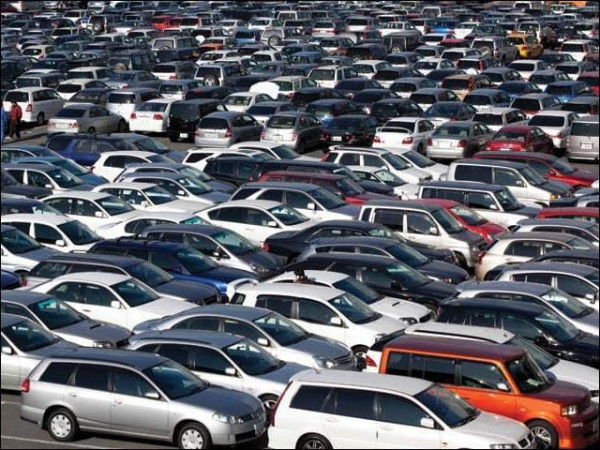
Pakistan has now become the only auto manufacturing country in Asia where used vehicles account for a significant share of the local market, accounting for about 25% of local sales between December 2024 and December 2025. Data compiled from December 2024 to October 2025 shows that used vehicle imports are once again growing rapidly. In contrast, the share of used vehicles in other countries in the region is very low and is almost zero in India, 0.3% in Vietnam and 1.2% in Thailand.

Industry experts say this policy shows a contradiction. Other economies in the region have restricted the import of used vehicles to protect the auto value chain, while Pakistan has taken the opposite path, especially after the Ministry of Commerce’s Notification 1895 issued on September 30, 2025, which allowed the import of vehicles up to five years old.

According to reports, this limit may be completely abolished after June 2026, which will increase the chances of a large influx of used vehicles. Pakistan’s auto sector currently consists of about twelve hundred factories, provides employment to more than 2.5 million people, gives the government about five hundred billion rupees in revenue annually and has about five billion dollars in foreign investment.

Pakistan Association of Automotive Parts and Accessories Manufacturers Senior Vice Chairman Shahryar Qadir said that import-friendly policies will undermine the gains made by the industry at a time when industrial revival and localization have been declared a state priority. Between December 2024 and December 2025, about 99 percent of the 45,758 vehicles imported into Pakistan came from Japan, which are right-hand drive. The quantity from other countries was very small, 130 units from Thailand, 55 from the US, 49 from Jamaica, 47 from Germany, 22 from Australia, 20 from China and only 5 vehicles were imported from the UAE.

According to former PAPAM chairman Abdul Rehman Aziz, there is a lack of coordination between the State Bank, FBR and provincial excise departments and there have been cases where a vehicle is imported in the name of one person but registered in the name of another.

He said that 99% of used vehicles go straight from the port to the showrooms because there is no condition that the exporters use these vehicles for some time, thus defeating the purpose of facilitating overseas Pakistanis.

According to industry estimates, the local auto vendor industry has suffered a loss of about Rs 50 billion during this period. The impact on foreign exchange accounts is also clear, with local manufacturers making documentary banking imports of about $10,138 per vehicle, while the used vehicle importer segment spends about $14,010 per vehicle, a large part of which comes from informal sources. Although the government is formulating a new auto policy aimed at strengthening local production, stakeholders are divided on whether localization will be possible when the policy on imported vehicles remains soft. The data shows that Pakistan is taking a unique, rather opposite direction among auto manufacturing countries, be it in terms of policy or market outcomes.

Experts are now raising the question that the real debate before policymakers is not whether imports should take place or not, but rather the volume of imports and whether the current trend is consistent with the country’s industrial, employment and financial goals.

In this regard, car importer and dealer Naveed Mudassar says that if the misuse of five-year-old imported vehicles is curbed, the local industry could have a strong chance of recovery.

Former chairman of PAPAM Nabil Hashmi says that by rationalizing taxes and improving the import system, the auto industry can not only regain its lost ground but also create the capacity to export vehicles in the future, which could bring billions of dollars of new investment and huge employment opportunities.

According to him, despite internal challenges, the sector contributed more than Rs 700 billion in taxes to the national exchequer, contributed six percent to the total state tax revenue, and provided more than 2.5 million jobs across the country. However, declining production, uncertain policies, and growing investor concerns are making the situation more sensitive.

Experts say that a clear, strong and long-term auto policy can guarantee the stability of this sector. Such a policy will not only protect local manufacturers but also provide Pakistan with an opportunity to introduce its vehicles in the global market, which can earn billions of dollars in foreign exchange in the future.

According to industry experts, the auto industry is an important pillar of the country’s economy and is currently eagerly awaiting the government’s attention and policy continuity. Timely steps in the right direction can not only breathe new life into this sector but also turn the wheels of the country’s economy at full speed.

On the other hand, officials of the Ministry of Industries and Production say that regulations are being tightened to prevent misuse of used vehicle imports and standards are being set according to global standards. In addition, a deadline is also being set for the sale of imported vehicles, under which the importer will not be able to sell the vehicle before the deadline set by the government and if it is sold before the deadline, duty will be applied at the standard rate.

According to officials, as far as the concerns of auto manufacturers and parts and accessories manufacturers are concerned, steps are being taken in the new auto policy in consultation with stakeholders. The new auto policy has been prepared and the Prime Minister will be briefed about it soon. The IMF will be taken on board regarding taxation and tariffs for the auto industries, after which the new auto policy will be issued.

According to officials, this auto policy will resolve issues including taxation and tariffs of auto manufacturers, PAPAM and other industries. They said that the new auto policy has been prepared in consultation with stakeholders. Representatives of the auto sector participated in the committees that were formed for this purpose. The proposals have been finalized with their consultation. The new auto policy will promote the auto industry in the country and solve their problems.

Leave a Reply

Your email address will not be published. Required fields are marked *

Heavy taxation and rampant import of used vehicles are putting the auto industry on the brink of collapse.

Link copied!

Islamabad: Pakistan’s domestic auto industry is currently facing severe pressure, with heavy taxation, imbalances in import policies and rampant imports of used vehicles pushing this important industrial sector into a deep quagmire of difficulties.

According to this situation is also worrying because this sector not only contributes two percent to the country’s GDP but also sends more than $600 million in foreign exchange to the country every year thanks to trained Pakistani technicians working abroad. In the fiscal year 2025, the industry paid taxes worth more than Rs700 billion, which is a clear testament to its importance. Robotics stalled on assembly lines, sluggish production and a dwindling workforce paint a clear picture of this crisis.

Automobile manufacturers say that if the government brings taxation to a reasonable level and regulates the imports of used vehicles, production can not only be restored but also the employment of millions of families can be secured.

Pakistan has now become the only auto manufacturing country in Asia where used vehicles account for a significant share of the local market, accounting for about 25% of local sales between December 2024 and December 2025. Data compiled from December 2024 to October 2025 shows that used vehicle imports are once again growing rapidly. In contrast, the share of used vehicles in other countries in the region is very low and is almost zero in India, 0.3% in Vietnam and 1.2% in Thailand.

Industry experts say this policy shows a contradiction. Other economies in the region have restricted the import of used vehicles to protect the auto value chain, while Pakistan has taken the opposite path, especially after the Ministry of Commerce’s Notification 1895 issued on September 30, 2025, which allowed the import of vehicles up to five years old.

According to reports, this limit may be completely abolished after June 2026, which will increase the chances of a large influx of used vehicles. Pakistan’s auto sector currently consists of about twelve hundred factories, provides employment to more than 2.5 million people, gives the government about five hundred billion rupees in revenue annually and has about five billion dollars in foreign investment.

Pakistan Association of Automotive Parts and Accessories Manufacturers Senior Vice Chairman Shahryar Qadir said that import-friendly policies will undermine the gains made by the industry at a time when industrial revival and localization have been declared a state priority. Between December 2024 and December 2025, about 99 percent of the 45,758 vehicles imported into Pakistan came from Japan, which are right-hand drive. The quantity from other countries was very small, 130 units from Thailand, 55 from the US, 49 from Jamaica, 47 from Germany, 22 from Australia, 20 from China and only 5 vehicles were imported from the UAE.

According to former PAPAM chairman Abdul Rehman Aziz, there is a lack of coordination between the State Bank, FBR and provincial excise departments and there have been cases where a vehicle is imported in the name of one person but registered in the name of another.

He said that 99% of used vehicles go straight from the port to the showrooms because there is no condition that the exporters use these vehicles for some time, thus defeating the purpose of facilitating overseas Pakistanis.

According to industry estimates, the local auto vendor industry has suffered a loss of about Rs 50 billion during this period. The impact on foreign exchange accounts is also clear, with local manufacturers making documentary banking imports of about $10,138 per vehicle, while the used vehicle importer segment spends about $14,010 per vehicle, a large part of which comes from informal sources. Although the government is formulating a new auto policy aimed at strengthening local production, stakeholders are divided on whether localization will be possible when the policy on imported vehicles remains soft. The data shows that Pakistan is taking a unique, rather opposite direction among auto manufacturing countries, be it in terms of policy or market outcomes.

Experts are now raising the question that the real debate before policymakers is not whether imports should take place or not, but rather the volume of imports and whether the current trend is consistent with the country’s industrial, employment and financial goals.

In this regard, car importer and dealer Naveed Mudassar says that if the misuse of five-year-old imported vehicles is curbed, the local industry could have a strong chance of recovery.

Former chairman of PAPAM Nabil Hashmi says that by rationalizing taxes and improving the import system, the auto industry can not only regain its lost ground but also create the capacity to export vehicles in the future, which could bring billions of dollars of new investment and huge employment opportunities.

According to him, despite internal challenges, the sector contributed more than Rs 700 billion in taxes to the national exchequer, contributed six percent to the total state tax revenue, and provided more than 2.5 million jobs across the country. However, declining production, uncertain policies, and growing investor concerns are making the situation more sensitive.

Experts say that a clear, strong and long-term auto policy can guarantee the stability of this sector. Such a policy will not only protect local manufacturers but also provide Pakistan with an opportunity to introduce its vehicles in the global market, which can earn billions of dollars in foreign exchange in the future.

According to industry experts, the auto industry is an important pillar of the country’s economy and is currently eagerly awaiting the government’s attention and policy continuity. Timely steps in the right direction can not only breathe new life into this sector but also turn the wheels of the country’s economy at full speed.

On the other hand, officials of the Ministry of Industries and Production say that regulations are being tightened to prevent misuse of used vehicle imports and standards are being set according to global standards. In addition, a deadline is also being set for the sale of imported vehicles, under which the importer will not be able to sell the vehicle before the deadline set by the government and if it is sold before the deadline, duty will be applied at the standard rate.

According to officials, as far as the concerns of auto manufacturers and parts and accessories manufacturers are concerned, steps are being taken in the new auto policy in consultation with stakeholders. The new auto policy has been prepared and the Prime Minister will be briefed about it soon. The IMF will be taken on board regarding taxation and tariffs for the auto industries, after which the new auto policy will be issued.

According to officials, this auto policy will resolve issues including taxation and tariffs of auto manufacturers, PAPAM and other industries. They said that the new auto policy has been prepared in consultation with stakeholders. Representatives of the auto sector participated in the committees that were formed for this purpose. The proposals have been finalized with their consultation. The new auto policy will promote the auto industry in the country and solve their problems.

Leave a Reply

Your email address will not be published. Required fields are marked *