Daily The Patriot

Dinosaur-era crocodile remains discovered in Patagonia

Link copied!

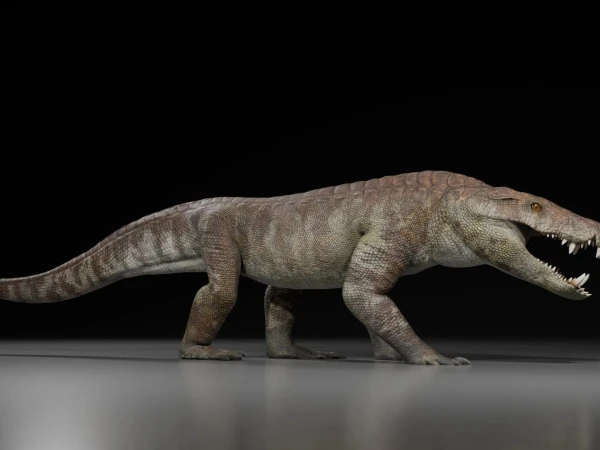
Paleontologists have discovered the remains of a fearsome crocodile-like creature called Kostensuchus atrox from the Corillo Formation of southern Patagonia, dating back to about 7 million years ago.

The creature was only 3.5 meters (about 11.5 feet) long and weighed about 250 kilograms (550 pounds).

Its mouth was wide and strong, with sharp, serrated teeth that were effective at cutting flesh, making it a true carnivore.

Experts believe its primitive legs were straight and strong, which helped it pursue and target prey. It may have also preyed on medium-sized or small dinosaurs.

The Corillo Formation was an ecosystem that was characterized by humid and warm conditions during the Mesozoic Era. Dinosaurs, sea turtles, frogs, and other mammals lived in the water-filled valleys.

Kostensuchus atrox was a dominant predator and had a significant impact on the ecological structure of the regional ecosystem.

Leave a Reply

Your email address will not be published. Required fields are marked *

Dinosaur-era crocodile remains discovered in Patagonia

Link copied!

Paleontologists have discovered the remains of a fearsome crocodile-like creature called Kostensuchus atrox from the Corillo Formation of southern Patagonia, dating back to about 7 million years ago.

The creature was only 3.5 meters (about 11.5 feet) long and weighed about 250 kilograms (550 pounds).

Its mouth was wide and strong, with sharp, serrated teeth that were effective at cutting flesh, making it a true carnivore.

Experts believe its primitive legs were straight and strong, which helped it pursue and target prey. It may have also preyed on medium-sized or small dinosaurs.

The Corillo Formation was an ecosystem that was characterized by humid and warm conditions during the Mesozoic Era. Dinosaurs, sea turtles, frogs, and other mammals lived in the water-filled valleys.

Kostensuchus atrox was a dominant predator and had a significant impact on the ecological structure of the regional ecosystem.

Leave a Reply

Your email address will not be published. Required fields are marked *