Daily The Patriot

Hindutva and Zionism: Converging Power and Regional Consequences

Link copied!

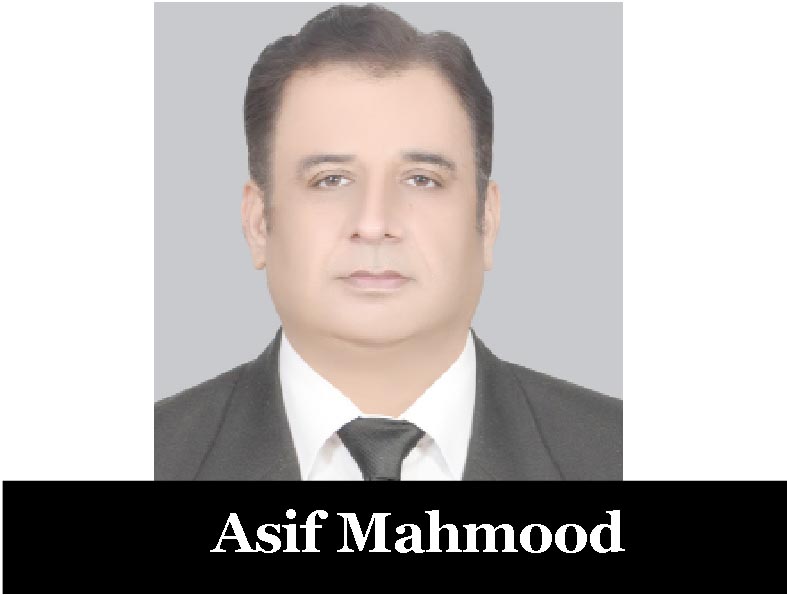
Asif Mahmood

The accelerating partnership between Narendra Modi and Benjamin Netanyahu has entered a decisive phase. Israel’s recent direct military strikes on Iran have not only widened the theatre of conflict but also exposed the hard strategic core of this alignment. What was once described as diplomatic warmth has matured into coordinated geopolitical positioning with serious regional consequences.

The Israeli attack on Iran marks a shift from shadow confrontation to overt engagement. Such escalation destabilizes an already fragile West Asian order and risks drawing multiple states into prolonged uncertainty. Energy corridors, maritime security, and regional deterrence calculations are all affected. For Muslim countries observing these developments, the implications are immediate rather than theoretical.

India’s engagement with Israel has expanded steadily over the past decade through defence procurement, intelligence coordination, border management technologies, and counterinsurgency cooperation. This partnership is institutional rather than symbolic. It reflects a shared security outlook that privileges unilateral action and technological dominance over negotiated compromise.

New Delhi once attempted to balance relations with Tehran alongside ties with Tel Aviv. That balancing posture has narrowed. India’s muted responses during periods of Israeli military escalation indicate a foreign policy that now weighs strategic partnership more heavily than nonalignment traditions of the past. This evolution is central to understanding the present alignment.

The parallels between Israeli policy in Palestinian territories and Indian policy in Kashmir are increasingly visible in administrative method rather than rhetoric. Legal restructuring, property regulation, demographic recalibration, and centralized authority have become instruments of governance in both contexts. These measures are defended domestically as integration and modernization. Critics argue that they consolidate territorial control under formal legal frameworks.

Symbolism has also entered state spaces. During the inauguration of India’s new parliament building, imagery reflecting the concept of Akhand Bharat appeared prominently. The representation extended beyond India’s internationally recognized borders, incorporating neighbouring territories into a broader civilizational map. In Israeli political culture, strands of discourse continue to invoke biblical geography that exceeds present boundaries. Such representations shape strategic imagination even when not formally codified.

The significance of this convergence lies less in theological language and more in policy convergence. Both governments emphasize decisive security doctrine, strategic autonomy, and preemptive capability. Both resist external scrutiny when accused of violating international norms. Both frame territorial measures as sovereign rights immune from outside intervention.

The Israeli strikes on Iran add volatility to this matrix. A direct confrontation between two states of such strategic weight reshapes regional alignments and forces neighbouring countries to recalibrate their positions. It also strengthens security partnerships among states that perceive shared threats.

This is not simply a debate about ideology. It concerns the consolidation of power structures, legal instruments, and military doctrines that are increasingly synchronized. The Muslim world must evaluate this development through a strategic lens rather than a purely emotional one. A fragmented response will only reinforce the emerging order. Strategic clarity and diplomatic coordination are essential if regional equilibrium is to be preserved.

Leave a Reply

Your email address will not be published. Required fields are marked *

Hindutva and Zionism: Converging Power and Regional Consequences

Link copied!

Asif Mahmood

The accelerating partnership between Narendra Modi and Benjamin Netanyahu has entered a decisive phase. Israel’s recent direct military strikes on Iran have not only widened the theatre of conflict but also exposed the hard strategic core of this alignment. What was once described as diplomatic warmth has matured into coordinated geopolitical positioning with serious regional consequences.

The Israeli attack on Iran marks a shift from shadow confrontation to overt engagement. Such escalation destabilizes an already fragile West Asian order and risks drawing multiple states into prolonged uncertainty. Energy corridors, maritime security, and regional deterrence calculations are all affected. For Muslim countries observing these developments, the implications are immediate rather than theoretical.

India’s engagement with Israel has expanded steadily over the past decade through defence procurement, intelligence coordination, border management technologies, and counterinsurgency cooperation. This partnership is institutional rather than symbolic. It reflects a shared security outlook that privileges unilateral action and technological dominance over negotiated compromise.

New Delhi once attempted to balance relations with Tehran alongside ties with Tel Aviv. That balancing posture has narrowed. India’s muted responses during periods of Israeli military escalation indicate a foreign policy that now weighs strategic partnership more heavily than nonalignment traditions of the past. This evolution is central to understanding the present alignment.

The parallels between Israeli policy in Palestinian territories and Indian policy in Kashmir are increasingly visible in administrative method rather than rhetoric. Legal restructuring, property regulation, demographic recalibration, and centralized authority have become instruments of governance in both contexts. These measures are defended domestically as integration and modernization. Critics argue that they consolidate territorial control under formal legal frameworks.

Symbolism has also entered state spaces. During the inauguration of India’s new parliament building, imagery reflecting the concept of Akhand Bharat appeared prominently. The representation extended beyond India’s internationally recognized borders, incorporating neighbouring territories into a broader civilizational map. In Israeli political culture, strands of discourse continue to invoke biblical geography that exceeds present boundaries. Such representations shape strategic imagination even when not formally codified.

The significance of this convergence lies less in theological language and more in policy convergence. Both governments emphasize decisive security doctrine, strategic autonomy, and preemptive capability. Both resist external scrutiny when accused of violating international norms. Both frame territorial measures as sovereign rights immune from outside intervention.

The Israeli strikes on Iran add volatility to this matrix. A direct confrontation between two states of such strategic weight reshapes regional alignments and forces neighbouring countries to recalibrate their positions. It also strengthens security partnerships among states that perceive shared threats.

This is not simply a debate about ideology. It concerns the consolidation of power structures, legal instruments, and military doctrines that are increasingly synchronized. The Muslim world must evaluate this development through a strategic lens rather than a purely emotional one. A fragmented response will only reinforce the emerging order. Strategic clarity and diplomatic coordination are essential if regional equilibrium is to be preserved.

Leave a Reply

Your email address will not be published. Required fields are marked *