Daily The Patriot

The food crisis in Afghanistan has become severe due to the Taliban's incompetence.

Link copied!

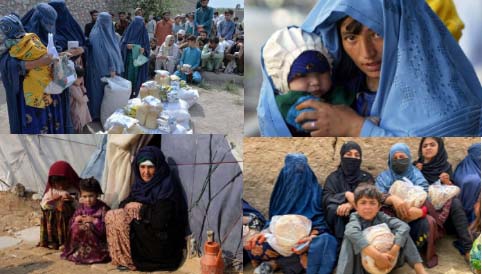
The food crisis in Afghanistan has become severe due to the flawed policies and incompetence of the Taliban regime. Approximately 15.9 million people are facing acute food insecurity, while more than 4 million children are at risk of malnutrition by 2027. Citing relevant United Nations agencies, an Afghan news agency reported that the food shortage and nutritional crisis in the country are continuously intensifying. According to UNICEF, nearly 32 percent of Afghanistan’s population faced severe food shortages during September and October 2026. Between August and October, record levels of physical weakness and significant weight loss—attributed to malnutrition—were observed among children, marking the highest such figures recorded for this specific period to date.

UNICEF has expressed concern that the crisis will worsen further during the winter season.
According to UNICEF estimates, approximately 4.04 million children aged between 6 and 59 months will require treatment for malnutrition between January and December 2027. Following the Taliban regime’s takeover of Afghanistan, there has been a significant decline in foreign aid, which has further exacerbated the humanitarian crisis. Women and children in Afghanistan face additional challenges in accessing medical treatment and healthcare facilities; they are now also struggling to obtain adequate food. Women and girls are the primary victims of this food and nutritional deficiency.

According to the Afghan news agency, the return of a large number of refugees has further strained Afghanistan’s limited resources.
The situation is being compounded by the closure of medical centers and a shortage of medicines across the country. The shortage of female medical staff to treat women is becoming a major challenge for Afghanistan, as the Afghan Taliban regime imposes severe penalties on women who seek medical treatment from male doctors. According to the World Food Programme, despite improved rainfall and increased agricultural production in 2026, many families remain unable to afford adequate and nutritious food. With a continuous decline in financial resources for humanitarian aid, meeting the growing needs is becoming increasingly difficult by the day.

Leave a Reply

Your email address will not be published. Required fields are marked *